
Loading

Search
▼ Effects of Yen-Buying Intervention by Govt, BOJ Seen Limited
- Category:Other
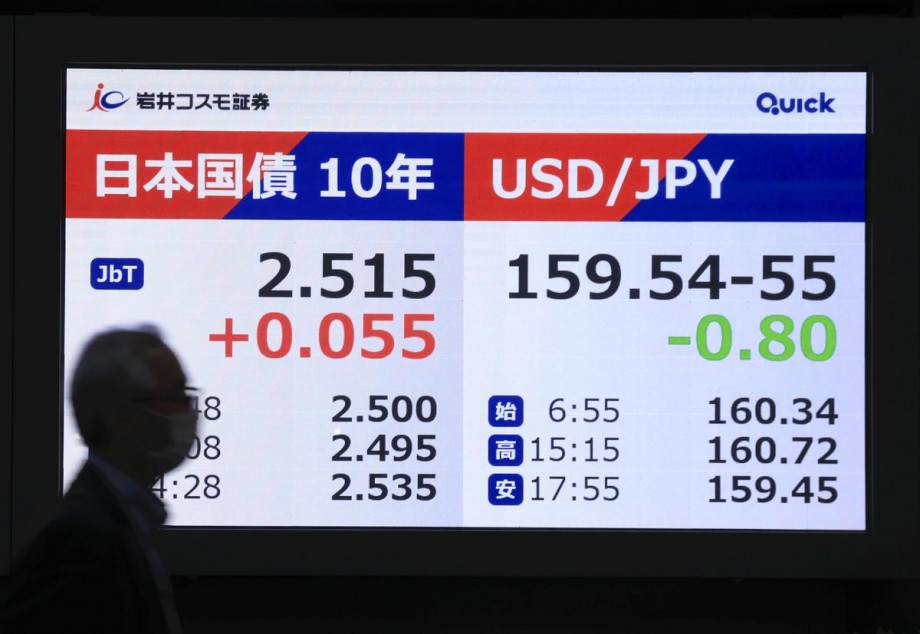
The government and the Bank of Japan conducted a yen-buying, dollar-selling market intervention for the first time in 21 months with the aim of preventing excessive yen selling by speculators.
They took the action ahead of an extended holiday period, when trading activity typically slows.
The foreign exchange intervention was conducted Thursday, and its amount could reach about ¥5 trillion, government sources told The Yomiuri Shimbun.
Some observers believe the effects of the intervention will be limited because conditions conducive to a weaker yen and stronger dollar, such as high oil prices and concerns over Japan’s fiscal deterioration, are expected to persist.
Move seen as ‘surprise’
The government and the BOJ had expressed concerns over the weakening of the yen, which is fueling the ongoing rising prices. It is believed they also grew concerned that the yen would stay at the ¥160 range against the U.S. dollar.
However, the latest intervention came as a “surprise,” a market source said. The government and the BOJ previously intervened in July 2024 when the yen approached ¥162 against the U.S. dollar. Among market players, ¥162 was widely perceived as a red line.
On Thursday, the yen traded in the upper ¥160 range against the dollar until the evening. At about 5 p.m., Finance Minister Satsuki Katayama said to reporters, “The time to take decisive action is approaching.” She also said, “Keep your smartphones with you even when you’re out and on your days off.”
Thirty minutes later, Atsushi Mimura, vice finance minister for international affairs who oversees foreign exchange interventions, warned markets, saying, “This is our final evacuation advisory.”
However, since Mimura assumed the current post in late July 2024, no intervention had been carried out, leading to speculation that this was merely “verbal intervention.”
Concerns over volatility
Behind the latest intervention, there was also caution regarding the possibility of reduced market participation and increased volatility.
As Friday fell on May Day, European and other markets were closed, while Japan was set to enter an extended holiday period starting Saturday.
In 2024, the government and the BOJ carried out yen-buying, dollar-selling interventions on April 29 and May 1.
On Thursday, the yen strengthened sharply against the dollar by about ¥5 following the intervention, surging to the ¥155 level. On the following day, the yen briefly touched the ¥155 range again, exceeding the previous day’s yen level. The intervention appears to have put a temporary halt to yen selling.
Masahiro Ichikawa, a chief market strategist of Sumitomo Mitsui DS Asset Management Co., said, “Caution about [the possibility of] an intervention will likely persist for the time being, making it difficult for speculators to act.”
Changes in economic structure
However, the yen has become more susceptible to selling pressure due to changes in Japan’s economic structure. It remains to be seen how long the effects of the latest intervention will last.
The nation’s trade balance, calculated by subtracting imports from exports, remained in surplus through the 2000s, but turned into a deficit in the wake of the Great East Japan Earthquake in 2011.
Amid the escalation of tensions in the Middle East, prices of fuel, such as crude oil, have remained high, raising the possibility that Japan’s trade deficit will widen in 2026. Because Japan needs to sell large amounts of yen to procure dollars, the yen has become more susceptible to depreciation.
A gap in interest rates between Japan and the United States is also a factor. Amid rising prices, the BOJ kept its policy rate unchanged at around 0.75% at its monetary policy meeting in April.
Meanwhile, in the United States, where President Donald Trump has been calling for rate cuts, the Federal Reserve Board maintained its benchmark rate in a range of 3.5% to 3.75%, causing market expectations of a U.S. rate cut this year to fade.
The foreign exchange interventions conducted by the government and the BOJ in 2024 caused the yen to strengthen in the short term, but the Japanese currency gradually returned to a weaker level.
“A foreign exchange intervention generally has immediate effects but lacks sustainability,” said Takahiro Hori, a senior market economist of Mizuho Bank.
“Whether the exchange rate will stabilize depends on factors such as the situation in the Middle East and monetary policies in Japan and the United States.”
They took the action ahead of an extended holiday period, when trading activity typically slows.
The foreign exchange intervention was conducted Thursday, and its amount could reach about ¥5 trillion, government sources told The Yomiuri Shimbun.
Some observers believe the effects of the intervention will be limited because conditions conducive to a weaker yen and stronger dollar, such as high oil prices and concerns over Japan’s fiscal deterioration, are expected to persist.
Move seen as ‘surprise’
The government and the BOJ had expressed concerns over the weakening of the yen, which is fueling the ongoing rising prices. It is believed they also grew concerned that the yen would stay at the ¥160 range against the U.S. dollar.
However, the latest intervention came as a “surprise,” a market source said. The government and the BOJ previously intervened in July 2024 when the yen approached ¥162 against the U.S. dollar. Among market players, ¥162 was widely perceived as a red line.
On Thursday, the yen traded in the upper ¥160 range against the dollar until the evening. At about 5 p.m., Finance Minister Satsuki Katayama said to reporters, “The time to take decisive action is approaching.” She also said, “Keep your smartphones with you even when you’re out and on your days off.”
Thirty minutes later, Atsushi Mimura, vice finance minister for international affairs who oversees foreign exchange interventions, warned markets, saying, “This is our final evacuation advisory.”
However, since Mimura assumed the current post in late July 2024, no intervention had been carried out, leading to speculation that this was merely “verbal intervention.”
Concerns over volatility
Behind the latest intervention, there was also caution regarding the possibility of reduced market participation and increased volatility.
As Friday fell on May Day, European and other markets were closed, while Japan was set to enter an extended holiday period starting Saturday.
In 2024, the government and the BOJ carried out yen-buying, dollar-selling interventions on April 29 and May 1.
On Thursday, the yen strengthened sharply against the dollar by about ¥5 following the intervention, surging to the ¥155 level. On the following day, the yen briefly touched the ¥155 range again, exceeding the previous day’s yen level. The intervention appears to have put a temporary halt to yen selling.
Masahiro Ichikawa, a chief market strategist of Sumitomo Mitsui DS Asset Management Co., said, “Caution about [the possibility of] an intervention will likely persist for the time being, making it difficult for speculators to act.”
Changes in economic structure
However, the yen has become more susceptible to selling pressure due to changes in Japan’s economic structure. It remains to be seen how long the effects of the latest intervention will last.
The nation’s trade balance, calculated by subtracting imports from exports, remained in surplus through the 2000s, but turned into a deficit in the wake of the Great East Japan Earthquake in 2011.
Amid the escalation of tensions in the Middle East, prices of fuel, such as crude oil, have remained high, raising the possibility that Japan’s trade deficit will widen in 2026. Because Japan needs to sell large amounts of yen to procure dollars, the yen has become more susceptible to depreciation.
A gap in interest rates between Japan and the United States is also a factor. Amid rising prices, the BOJ kept its policy rate unchanged at around 0.75% at its monetary policy meeting in April.
Meanwhile, in the United States, where President Donald Trump has been calling for rate cuts, the Federal Reserve Board maintained its benchmark rate in a range of 3.5% to 3.75%, causing market expectations of a U.S. rate cut this year to fade.
The foreign exchange interventions conducted by the government and the BOJ in 2024 caused the yen to strengthen in the short term, but the Japanese currency gradually returned to a weaker level.
“A foreign exchange intervention generally has immediate effects but lacks sustainability,” said Takahiro Hori, a senior market economist of Mizuho Bank.
“Whether the exchange rate will stabilize depends on factors such as the situation in the Middle East and monetary policies in Japan and the United States.”
- May 3, 2026
- Comment (0)
- Trackback(0)