
Loading

Search
▼ Middle East Crisis Fuels Anxiety Among Japan Farmers Over Plastic Sheets, Food Containers
- Category:Other
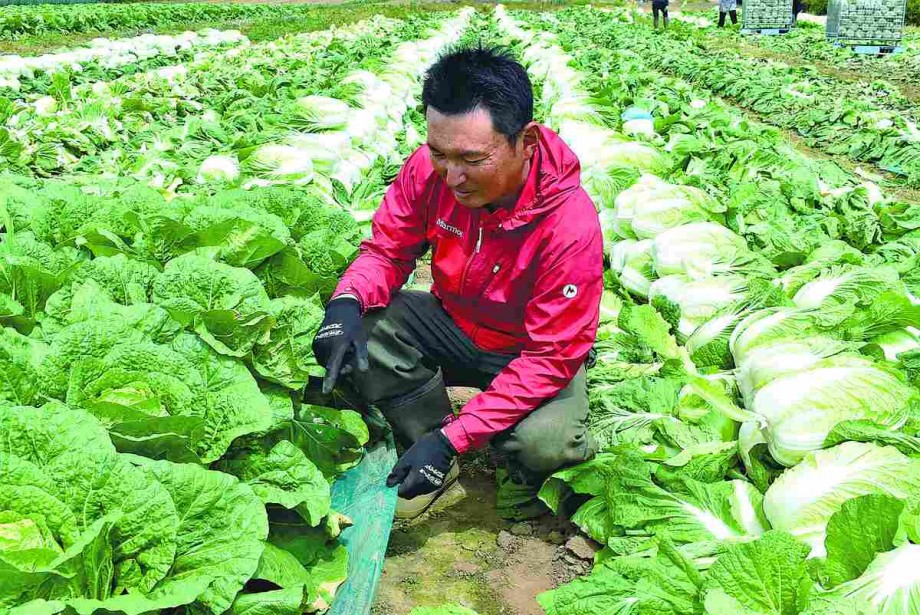
As the situation in the Middle East deteriorates, anxiety is spreading among farmers in Japan over rising prices and supply of materials and packaging used in agricultural production.
Many of these materials and packaging products are petrochemical products made with naphtha, the price of which has been surging. If naphtha prices remain elevated, higher production costs will be unavoidable, potentially leading to higher prices for food and beverages.
Little room for ingenuity
“We cannot farm without fuel or petroleum-derived materials, and there is little room for ingenuity,” said Masaharu Inoue, who grows napa cabbage in Bando, Ibaraki Prefecture.
In his fields, Inoue uses petrochemical materials such as mulch sheets, which cover raised rows of soil to suppress weed growth. Okura Industrial Co., a Kagawa Prefecture-based manufacturer of mulch sheets, raised prices starting with shipments on April 21.
The company cited worsening procurement conditions for naphtha, with some products rising by more than 30% from previous prices. Similar moves are likely to spread to other companies.
Inoue is also concerned about transportation costs for delivering napa cabbage to food processors. Delivery prices are contracted in advance, including transportation costs. But if fuel oil prices rise sharply, he said, “we may need to negotiate a price revision.”
Containers also affected
Before farm products reach retail shelves, packaging materials such as films and bags, as well as containers such as trays, are needed to maintain freshness. Many of these products are also made from naphtha, and price increases are beginning to emerge.
Denka Polymer Co., a Tokyo-based company that makes food packaging materials, announced a series of price revisions in April for products such as commercial-use plastic wrap and plastic containers.
The company will raise prices by at least 35% for wrap delivered from May and by at least 30% for containers delivered from June. The company said it had become “extremely difficult to maintain prices through self-help efforts alone.”
For rice bags, supplies of ink used to print on films and bags have also deteriorated, prompting price increases among manufacturers. A Tokyo-based company that sells rice bags described the pace of raw material price increases as “unprecedented.”
Further push to inflation
The National Federation of Agricultural Cooperative Associations also plans to gradually raise the prices at which it sells materials to regional agricultural cooperatives from April.
The scale of the increases has not been disclosed. The move comes in response to price increase requests from suppliers.
Higher agricultural production costs are likely to eventually be passed on to retail prices.
The Agriculture, Forestry and Fisheries Ministry, which is responsible for ensuring a stable food supply, is taking the situation seriously.
This month, it set up a specialized response team within the ministry and began investigating distribution conditions for agricultural materials and food packaging.
According to the national consumer price index released by the Internal Affairs and Communications Ministry, food prices, including fresh food, rose by 5% to 7% year on year each month from January through December 2025, before slowing to the 3% to 4% range from January through March 2026. That was because the impact of rising rice prices had eased.
But inflationary pressure could intensify again because of higher crude oil and naphtha prices caused by the worsening situation in the Middle East.
Tsuyoshi Kubota, chief researcher at Teikoku Databank, which tracks food and beverage price trends, said, “The surge in crude oil prices in March may begin to feed through into food price increases from June onward.”
Many of these materials and packaging products are petrochemical products made with naphtha, the price of which has been surging. If naphtha prices remain elevated, higher production costs will be unavoidable, potentially leading to higher prices for food and beverages.
Little room for ingenuity
“We cannot farm without fuel or petroleum-derived materials, and there is little room for ingenuity,” said Masaharu Inoue, who grows napa cabbage in Bando, Ibaraki Prefecture.
In his fields, Inoue uses petrochemical materials such as mulch sheets, which cover raised rows of soil to suppress weed growth. Okura Industrial Co., a Kagawa Prefecture-based manufacturer of mulch sheets, raised prices starting with shipments on April 21.
The company cited worsening procurement conditions for naphtha, with some products rising by more than 30% from previous prices. Similar moves are likely to spread to other companies.
Inoue is also concerned about transportation costs for delivering napa cabbage to food processors. Delivery prices are contracted in advance, including transportation costs. But if fuel oil prices rise sharply, he said, “we may need to negotiate a price revision.”
Containers also affected
Before farm products reach retail shelves, packaging materials such as films and bags, as well as containers such as trays, are needed to maintain freshness. Many of these products are also made from naphtha, and price increases are beginning to emerge.
Denka Polymer Co., a Tokyo-based company that makes food packaging materials, announced a series of price revisions in April for products such as commercial-use plastic wrap and plastic containers.
The company will raise prices by at least 35% for wrap delivered from May and by at least 30% for containers delivered from June. The company said it had become “extremely difficult to maintain prices through self-help efforts alone.”
For rice bags, supplies of ink used to print on films and bags have also deteriorated, prompting price increases among manufacturers. A Tokyo-based company that sells rice bags described the pace of raw material price increases as “unprecedented.”
Further push to inflation
The National Federation of Agricultural Cooperative Associations also plans to gradually raise the prices at which it sells materials to regional agricultural cooperatives from April.
The scale of the increases has not been disclosed. The move comes in response to price increase requests from suppliers.
Higher agricultural production costs are likely to eventually be passed on to retail prices.
The Agriculture, Forestry and Fisheries Ministry, which is responsible for ensuring a stable food supply, is taking the situation seriously.
This month, it set up a specialized response team within the ministry and began investigating distribution conditions for agricultural materials and food packaging.
According to the national consumer price index released by the Internal Affairs and Communications Ministry, food prices, including fresh food, rose by 5% to 7% year on year each month from January through December 2025, before slowing to the 3% to 4% range from January through March 2026. That was because the impact of rising rice prices had eased.
But inflationary pressure could intensify again because of higher crude oil and naphtha prices caused by the worsening situation in the Middle East.
Tsuyoshi Kubota, chief researcher at Teikoku Databank, which tracks food and beverage price trends, said, “The surge in crude oil prices in March may begin to feed through into food price increases from June onward.”
- May 2, 2026
- Comment (0)
- Trackback(0)