
Loading

Search
▼ Gasoline, Diapers And Drinks: Japan Faces Wide-Ranging Impact Amid Concern Over Oil
- Category:Other
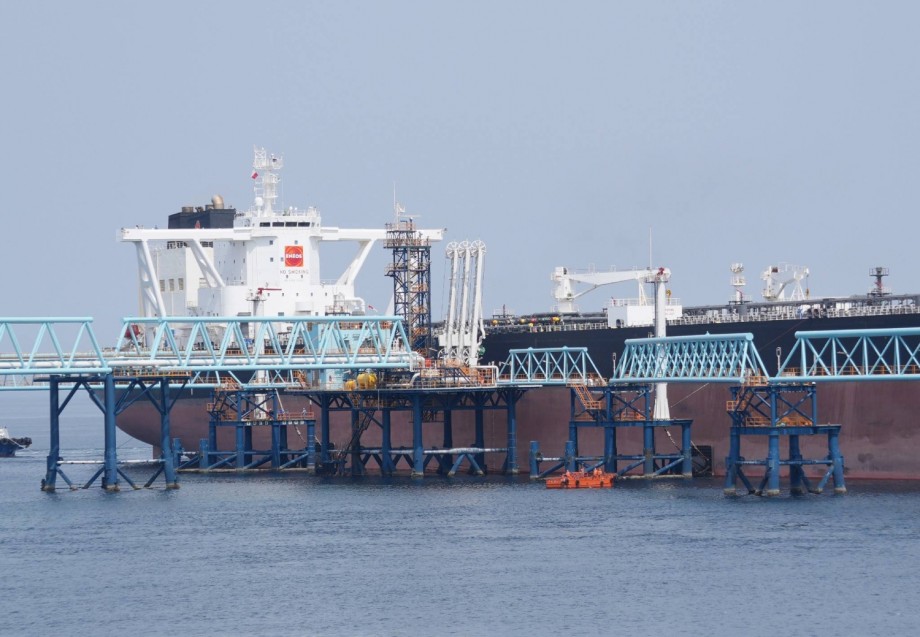
Even as Japan dips into its vast reserves of oil, the closure of the Strait of Hormuz is fueling concerns about medium and long-term shortages and higher prices for everything from gas at the pump to plastic toys sold in ¥100 shops.
While the government has rushed to assure the public that the overall supply of crude oil and petroleum products used in the making of plastics is sufficient for now, efforts to curb electricity and petroleum consumption could be needed by as early as next month if oil imports coming from the strait have not resumed and domestic reserves, enough to cover about eight months of the country’s consumption, are further depleted.
"We’ll continue to monitor the current situation regarding the supply and demand of essential goods and their prices, and respond flexibly and won’t rule out any possibilities,” Prime Minister Sanae Takaichi said Thursday during parliamentary questioning about possibly seeking the public’s cooperation to conserve electricity and reduce consumption.
In the meantime, finding non-Middle Eastern suppliers to quickly send oil could be difficult. That’s because, while countries such as the U.S. can export oil, Japan’s domestic oil refining infrastructure could have difficulty turning the raw product into petroleum products quickly and cheaply.
“Crude oil comes in a variety of qualities, ranging from thick, asphalt-like substances to very light, fluid types. Japanese refineries have been designed specifically to process crude oil from the Middle East,” said Go Matsuo, head of the Energy Economics and Society Research Institute during a testimony at the Upper House on March 24.
This oil, accounting for 94% of total imports — 93% of which passes through the Strait of Hormuz — is also cheaper compared to U.S. crude oil. While Japan should keep its options open for other suppliers, it could be more expensive to process U.S. oil than Middle Eastern oil due to its different qualities and the possibility that refineries might need to be modified to handle U.S. oil, Matsuo said.
Unlike the International Energy Agency, the Japanese government has not yet urged consumers to take specific actions to curb consumption.
The IEA has warned of the severity of the threat, comparing it to the oil shocks of the 1970s. The key difference between then and now is that, while the previous oil crises involved reductions in oil production and supply, there were no major disruptions to distribution.
On March 18, the agency listed 10 policies advanced economies should implement to conserve supplies. These include reducing highway speed limits by at least 10 kilometers per hour, encouraging remote work for up to three days a week, avoiding business air travel where possible, making Sundays a car-free day in major cities while encouraging the use of trains instead of planes where possible.
The report also encourages walking, cycling, more efficient use of trucks for transportation and boosting the use of electric vehicles. Immediate implementation of the above could cut worldwide oil demand by 2.7 million barrels per day in the next four months, the IEA estimates.
Japan began releasing some of its oil reserves last month. As of Friday, it had about 230 days, just under eight months, of oil in storage, raising questions about what happens if the Strait of Hormuz remains closed over a long period.
“If the current situation continues for more than four months, we’ll almost certainly have no choice but to move toward curbing consumption. I expect government policies will initially be implemented in line with the IEA’s 10-point plan,” said Masatoshi Kojima, a professor and oil distribution expert at Momoyama Gakuin University.
While possible oil shortages have led Japan Airlines (JAL) and All Nippon Airways (ANA) to announce new fuel surcharges for international flights starting in June, and there are worries about a spike in gasoline prices, everyday household items could also be subjected to price hikes.
Naphtha is a hydrocarbon liquid processed from crude oil. It’s used to produce chemicals such as butadiene, ethylene and propylene, which are used for manufacturing solvents, fuels, plastics, and rubber products, among other things.
A naphtha shortage would create a ripple effect across supply chains, directly impacting mass-produced goods. If sufficient supplies of raw materials can’t be secured easily, the retail sector could face severe impacts.
“The first items affected by a price spike would be things like disposable diapers, sanitary products, bottled beverages, detergents, and plastic packaging materials,” Kojima said.
“Japan’s ¥100 shops might continue to operate and retain their current name. But their pricing structure could change, with prices falling into roughly three categories: ¥200, ¥150 and ¥100.”
- April 6, 2026
- Comment (0)
- Trackback(0)