
Loading

Search
▼ Rising Energy Costs Threaten Japan’s Public Transit, Health Services
- Category:Other
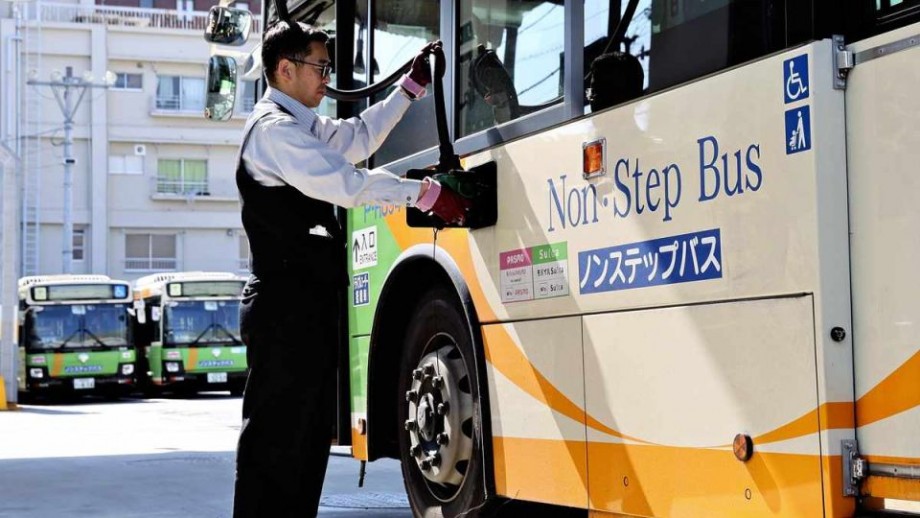
An economist urged the government "to present countermeasures ahead of time, assuming the worst-case scenario."
Soaring energy prices caused by the escalating conflict in the Middle East are beginning to impact public services, including transportation and health care.
In mid-March, the Tokyo metropolitan government’s Bureau of Transportation sought diesel for its Toei bus services through open bidding. The bidding was divided into four groups by area for the procurement of 5.4 million liters of low-sulfur diesel for the April-June period.
All bids exceeded expected prices, and none were accepted. The pricing of bids submitted by companies in one group was 50% to 80% higher than in December last year. The bureau managed to procure diesel for April by switching to no-bid contracting at the end of last month.
The metropolitan government is considering seeking no-bid contracts for the May and June procurements as well.
“Bearing in mind that this situation could continue forsome time, both the central and local governments must be quick in examining how to respond,” said a senior metropolitan government official.
The cities of Kawasaki and Kitakyushu have also seen the open bidding process fail for diesel.
On March 30, six ordinance-designated cities operating municipal bus services — Yokohama, Kawasaki, Nagoya, Kyoto, Kobe and Kitakyushu — made an urgent request to the central government, asking it to approach industry leaders to ensure a stable fuel supply, in addition to asking for financial support.
Fewer ferry trips
Ferries have also been affected by the soaring fuel prices, with services reduced.
Segawa Kisen Co., based in Saikai, Nagasaki Prefecture, which operates ferries connecting Sasebo and Saikai, cut back its services from March 23.
After the company was told by a diesel supplier that it could no longer secure diesel, Segawa Kisen bought fuel through the local fishing cooperative and later switched to heavy fuel oil.
Anticipating a prolonged problem, the company has suspended four daytime services that have lower passenger volume — out of the 22 services run each weekday and on Saturdays.
Suo-Nada Ferry Co., based in Shunan, Yamaguchi Prefecture, which runs ferry services connecting Yamaguchi and Oita prefectures, also suspended one round-trip service at night and plans to raise fares from June.
Chance of clinic closures
Health care providers are also grappling with the crisis.
Some components in dialysis machines use materials derived from crude oil. “If the supply of such components stops and patients can no longer receive treatment, it will be a matter of life and death for them,” a support group for the patients said.
One dental clinic in Tokyo is unsure whether it can continue to obtain rubber gloves. The clinic was reportedly told by suppliers that “They are difficult to procure.”
As the clinic only has a one-month supply of gloves in stock, the dentist said, “If this situation continues for an extended period, we may have to consider suspending our services.”
Petroleum products are used in a wide range of medical devices, and an official at the Health, Labor and Welfare Ministry said, “The situation is likely to become worse as time goes on.”
The government has set up a headquarters for ensuring a stable supply of medical and other goods. At a press conference following a Cabinet meeting on Friday, Health Minister Kenichiro Ueno said, “For the time being, we do not anticipate any shortage of supplies.”
Hideo Kumano, a chief economist at Daiichi Life Research Institute Co., said: “Given the possibility of oil prices continuing to rise for some time and of emergency stocks becoming depleted, the government needs to present countermeasures ahead of time, assuming the worst-case scenario. Based on this, local governments and companies should work out strategies to minimize the possible impact.”
Soaring energy prices caused by the escalating conflict in the Middle East are beginning to impact public services, including transportation and health care.
In mid-March, the Tokyo metropolitan government’s Bureau of Transportation sought diesel for its Toei bus services through open bidding. The bidding was divided into four groups by area for the procurement of 5.4 million liters of low-sulfur diesel for the April-June period.
All bids exceeded expected prices, and none were accepted. The pricing of bids submitted by companies in one group was 50% to 80% higher than in December last year. The bureau managed to procure diesel for April by switching to no-bid contracting at the end of last month.
The metropolitan government is considering seeking no-bid contracts for the May and June procurements as well.
“Bearing in mind that this situation could continue forsome time, both the central and local governments must be quick in examining how to respond,” said a senior metropolitan government official.
The cities of Kawasaki and Kitakyushu have also seen the open bidding process fail for diesel.
On March 30, six ordinance-designated cities operating municipal bus services — Yokohama, Kawasaki, Nagoya, Kyoto, Kobe and Kitakyushu — made an urgent request to the central government, asking it to approach industry leaders to ensure a stable fuel supply, in addition to asking for financial support.
Fewer ferry trips
Ferries have also been affected by the soaring fuel prices, with services reduced.
Segawa Kisen Co., based in Saikai, Nagasaki Prefecture, which operates ferries connecting Sasebo and Saikai, cut back its services from March 23.
After the company was told by a diesel supplier that it could no longer secure diesel, Segawa Kisen bought fuel through the local fishing cooperative and later switched to heavy fuel oil.
Anticipating a prolonged problem, the company has suspended four daytime services that have lower passenger volume — out of the 22 services run each weekday and on Saturdays.
Suo-Nada Ferry Co., based in Shunan, Yamaguchi Prefecture, which runs ferry services connecting Yamaguchi and Oita prefectures, also suspended one round-trip service at night and plans to raise fares from June.
Chance of clinic closures
Health care providers are also grappling with the crisis.
Some components in dialysis machines use materials derived from crude oil. “If the supply of such components stops and patients can no longer receive treatment, it will be a matter of life and death for them,” a support group for the patients said.
One dental clinic in Tokyo is unsure whether it can continue to obtain rubber gloves. The clinic was reportedly told by suppliers that “They are difficult to procure.”
As the clinic only has a one-month supply of gloves in stock, the dentist said, “If this situation continues for an extended period, we may have to consider suspending our services.”
Petroleum products are used in a wide range of medical devices, and an official at the Health, Labor and Welfare Ministry said, “The situation is likely to become worse as time goes on.”
The government has set up a headquarters for ensuring a stable supply of medical and other goods. At a press conference following a Cabinet meeting on Friday, Health Minister Kenichiro Ueno said, “For the time being, we do not anticipate any shortage of supplies.”
Hideo Kumano, a chief economist at Daiichi Life Research Institute Co., said: “Given the possibility of oil prices continuing to rise for some time and of emergency stocks becoming depleted, the government needs to present countermeasures ahead of time, assuming the worst-case scenario. Based on this, local governments and companies should work out strategies to minimize the possible impact.”
- April 6, 2026
- Comment (0)
- Trackback(0)