
Loading

Search
▼ Nissan Joins Toyota, Honda In Plans To Export U.S. Cars To Japan
- Category:Other
Key Points
- Nissan will export the Murano SUV built in Smyrna, Tennessee, to Japan beginning early next year. It marks the first American-made Nissan sold in Japan since the 1990s.
- Nissan is the latest of Japanese automaker to announce such plans after regulators loosened regulations to more easily allow automakers to import vehicles from the U.S. to Japan.
- Under the new rules, U.S.-made vehicles don’t have to meet Japanese vehicle certification as long as they comply with American standards.
Nissan Motor plans to join fellow Japanese automakers Toyota Motor and Honda Motor
in exporting U.S.-produced vehicles to Japan following changes to the country’s vehicle import rules reached through a trade deal last year with the Trump administration.
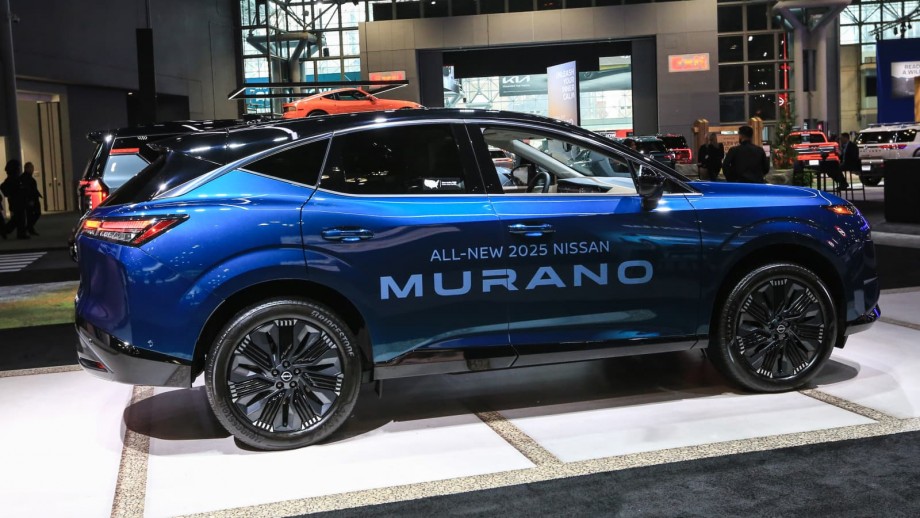
The company on Tuesday said it will import the midsize Nissan Murano, built in Smyrna, Tennessee, to Japan beginning early next year. It marks the first American-made Nissan sold in Japan since the 1990s, according to a Nissan spokeswoman.
“With the introduction of this model, Nissan aims to further strengthen its product lineup in Japan and meet the diverse needs of Japanese customers,” Nissan CEO Ivan Espinosa said in a statement.
Nissan is the latest Japanese automaker to announce such plans after changes to regulations meant automakers could more easily import vehicles from the U.S. to Japan. Those rules were put in place as part of a trade deal that also included easing U.S. tariffs enacted by President Donald Trump.
Under the new Japanese regulations that were confirmed last month, U.S.-made vehicles don’t have to meet the country’s vehicle certification as long as they comply with American standards.
Nissan confirmed plans to import the Murano from the U.S. with the steering wheel on the left-hand side of the vehicle, which is typical for Americans but not in the Japanese market.
Automakers typically have to tailor vehicles to meet safety and other regulations for different countries globally. They can range from things such as lighting and side mirrors to more complex parts such as the location of the steering wheel.
- Nissan will export the Murano SUV built in Smyrna, Tennessee, to Japan beginning early next year. It marks the first American-made Nissan sold in Japan since the 1990s.
- Nissan is the latest of Japanese automaker to announce such plans after regulators loosened regulations to more easily allow automakers to import vehicles from the U.S. to Japan.
- Under the new rules, U.S.-made vehicles don’t have to meet Japanese vehicle certification as long as they comply with American standards.
Nissan Motor plans to join fellow Japanese automakers Toyota Motor and Honda Motor
in exporting U.S.-produced vehicles to Japan following changes to the country’s vehicle import rules reached through a trade deal last year with the Trump administration.
The company on Tuesday said it will import the midsize Nissan Murano, built in Smyrna, Tennessee, to Japan beginning early next year. It marks the first American-made Nissan sold in Japan since the 1990s, according to a Nissan spokeswoman.
“With the introduction of this model, Nissan aims to further strengthen its product lineup in Japan and meet the diverse needs of Japanese customers,” Nissan CEO Ivan Espinosa said in a statement.
Nissan is the latest Japanese automaker to announce such plans after changes to regulations meant automakers could more easily import vehicles from the U.S. to Japan. Those rules were put in place as part of a trade deal that also included easing U.S. tariffs enacted by President Donald Trump.
Under the new Japanese regulations that were confirmed last month, U.S.-made vehicles don’t have to meet the country’s vehicle certification as long as they comply with American standards.
Nissan confirmed plans to import the Murano from the U.S. with the steering wheel on the left-hand side of the vehicle, which is typical for Americans but not in the Japanese market.
Automakers typically have to tailor vehicles to meet safety and other regulations for different countries globally. They can range from things such as lighting and side mirrors to more complex parts such as the location of the steering wheel.
- March 18, 2026
- Comment (0)
- Trackback(0)