
Loading

Search
▼ As Japan's Labor Shortage Deepens, Businesses Fear Losing Foreign Workers
- Category:Other
Across Japan, foreign workers are keeping factories, fisheries, and workshops afloat. But as wages rise in neighboring countries, many business owners worry that Japan may no longer be an attractive destination for this workforce.
In Choshi, home to a large fishing port in Chiba Prefecture, east of Tokyo, one long-established cannery offers a glimpse into both Japan's dependence on foreign workers and efforts being made to retain them.
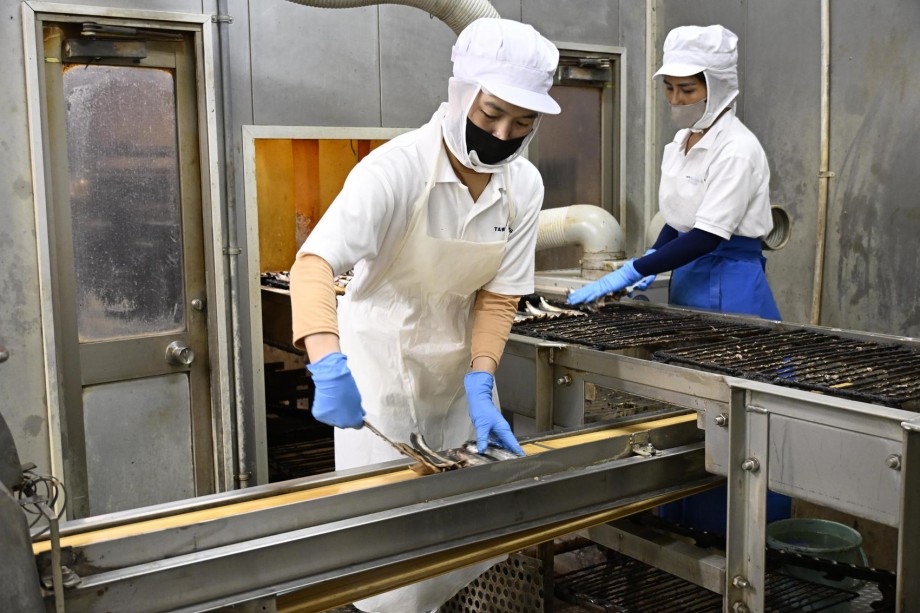
Ho Thi Thuy Nhung, 38, begins work at 8 a.m. on the assembly line. Her job rotates every few hours: operating a machine that cuts off fish heads and tails, removing foreign objects by hand, and carefully lifting fish from a grilling machine. Each task requires focus and precision.
"When I first started, I was confused because there were so many steps," she says. "But I learned quickly. The work changes often, and once I got used to it, I actually found it enjoyable."
Nhung is a Vietnamese technical intern trainee. She came to Japan last summer, leaving behind her husband and their eight-year-old son. Of the 80 people employed at the cannery, 16 are technical intern trainees from Vietnam.
Japan is replacing its controversial technical intern training program. Established in 1993, it has been accused of being a vehicle for obtaining cheap labor and drawn criticism for harsh working conditions and human rights abuses. A new system is to be launched in 2027.
"Choshi's main industry could not exist without foreign workers," says Yoshihisa Tawara, president of Tawara Canning Co., where Nhung works. "From fishing and unloading to wholesale and processing, they support every stage."
Choshi is not unique. Across Japan, many regional businesses rely on foreign labor to survive. To remain a destination of choice, business owners say companies must rethink how they welcome and support these workers.
Nhung decided to work in Japan for economic reasons. In Vietnam, even after working 14 hours a day, her monthly take-home pay was about 80,000 yen ($511) -- barely enough to cover living costs. The long hours left her exhausted, with little time to spend with her son.
When her husband's income fell and their situation worsened, she decided to work in Japan. She borrowed about 600,000 yen from relatives to cover the costs and applied to the Choshi cannery because it accepted applicants over the age of 30, which she said is rare.
Leaving her family behind was not easy.
"Coming alone to a foreign country and leaving my young child was a very hard decision," she says. "But I want to work hard now so I can spend more time with him when I return, and so I can give him a good education."
After rent and other expenses, her monthly take-home pay in Japan is about 130,000 yen. She sends 80,000 to 90,000 yen home each month and lives frugally on the rest in a dormitory with other Vietnamese trainees.
Every evening, after work and a shower, she video chats with her child. That time has become her daily comfort.
Tawara Canning was founded 96 years ago and produces between 50,000 and 100,000 cans a day. Inside the factory, instructions on dress code and hygiene are posted in both Japanese and Vietnamese. The company has been accepting technical intern trainees for about 20 years.
At around 7:40 a.m., the trainees leave their dormitory and head to the factory, greeting Japanese employees along the way. Dressed in white work uniforms, they take their places on the line. Packing fish into cans requires speed and accuracy and is handled mainly by experienced workers, with Vietnamese and Japanese employees working side by side.
The company began accepting trainees as its Japanese workforce aged and labor shortages worsened. Tawara, 70, has traveled to Vietnam many times for recruitment interviews. Learning that many Vietnamese mothers were unable to find work, Tawara began actively recruiting women over 30 three years ago.
The company provides housing near the factory. It purchased a vacant three-story building that once housed a hardware store and renovated it, adding a kitchen and improving living conditions.
The company also encourages ties with the local community. About twice a month, trainees join police officers from Choshi Police Station on neighborhood crime-prevention patrols. As they walk through town, smiling and greeting residents, people offer words of encouragement.
The patrols began as a response to a shortage of volunteers due to the aging population. They have also helped trainees connect with local residents.
"No matter the nationality, greeting each other warmly creates bonds," Tawara says.
Tawara Canning has weathered many crises. After the Great East Japan Earthquake in 2011, some trainees at other companies returned home. When trainees at Tawara's factory expressed anxiety, Tawara told them, "I'll stay here with you." They returned to work the next day.
Despite years of building trust with his trainees, Tawara worries about the future.
"Japan's economy is stagnant, while Vietnam is growing fast," he says. "There are countries where hourly wages are higher than Japan's. I don't know if they will keep choosing Japan."
He also hears of trainees at nearby companies disappearing and reappearing at other workplaces through personal connections. Seeking better conditions is natural, he says, but some are treated as disposable labor.
"Once they decide to work for us, I want to take responsibility," Tawara says. "While they're here, I watch over them like a father."
About one-third of trainees renew their status and continue working. After the three-year training period, some return home, while others change their residence status to "specified skilled worker" and remain in Japan.
Nhung hopes to return to Vietnam after three years, if finances allow. "But if things are still difficult, I may have to stay," she says.
Her colleague, Nguyen Thi Kim Thuan, 40, switched to specified skilled worker status in August. She has a 20-year-old daughter and an 18-year-old son and sends about half her income home.
"I want my children to go to college," she says. "I couldn't." Her eldest child is now studying economics at university.
For many women over 30, renewing their contracts has become an increasingly common choice.
So what does it take for Japan to continue being chosen?
"It's not just 'labor' that comes here," Tawara says.
"They are people with their own lives and plans, and they have the right to choose. We want to respect those choices. And if they choose to stay, we want to keep supporting them, just as we always have."
In Choshi, home to a large fishing port in Chiba Prefecture, east of Tokyo, one long-established cannery offers a glimpse into both Japan's dependence on foreign workers and efforts being made to retain them.
Ho Thi Thuy Nhung, 38, begins work at 8 a.m. on the assembly line. Her job rotates every few hours: operating a machine that cuts off fish heads and tails, removing foreign objects by hand, and carefully lifting fish from a grilling machine. Each task requires focus and precision.
"When I first started, I was confused because there were so many steps," she says. "But I learned quickly. The work changes often, and once I got used to it, I actually found it enjoyable."
Nhung is a Vietnamese technical intern trainee. She came to Japan last summer, leaving behind her husband and their eight-year-old son. Of the 80 people employed at the cannery, 16 are technical intern trainees from Vietnam.
Japan is replacing its controversial technical intern training program. Established in 1993, it has been accused of being a vehicle for obtaining cheap labor and drawn criticism for harsh working conditions and human rights abuses. A new system is to be launched in 2027.
"Choshi's main industry could not exist without foreign workers," says Yoshihisa Tawara, president of Tawara Canning Co., where Nhung works. "From fishing and unloading to wholesale and processing, they support every stage."
Choshi is not unique. Across Japan, many regional businesses rely on foreign labor to survive. To remain a destination of choice, business owners say companies must rethink how they welcome and support these workers.
Nhung decided to work in Japan for economic reasons. In Vietnam, even after working 14 hours a day, her monthly take-home pay was about 80,000 yen ($511) -- barely enough to cover living costs. The long hours left her exhausted, with little time to spend with her son.
When her husband's income fell and their situation worsened, she decided to work in Japan. She borrowed about 600,000 yen from relatives to cover the costs and applied to the Choshi cannery because it accepted applicants over the age of 30, which she said is rare.
Leaving her family behind was not easy.
"Coming alone to a foreign country and leaving my young child was a very hard decision," she says. "But I want to work hard now so I can spend more time with him when I return, and so I can give him a good education."
After rent and other expenses, her monthly take-home pay in Japan is about 130,000 yen. She sends 80,000 to 90,000 yen home each month and lives frugally on the rest in a dormitory with other Vietnamese trainees.
Every evening, after work and a shower, she video chats with her child. That time has become her daily comfort.
Tawara Canning was founded 96 years ago and produces between 50,000 and 100,000 cans a day. Inside the factory, instructions on dress code and hygiene are posted in both Japanese and Vietnamese. The company has been accepting technical intern trainees for about 20 years.
At around 7:40 a.m., the trainees leave their dormitory and head to the factory, greeting Japanese employees along the way. Dressed in white work uniforms, they take their places on the line. Packing fish into cans requires speed and accuracy and is handled mainly by experienced workers, with Vietnamese and Japanese employees working side by side.
The company began accepting trainees as its Japanese workforce aged and labor shortages worsened. Tawara, 70, has traveled to Vietnam many times for recruitment interviews. Learning that many Vietnamese mothers were unable to find work, Tawara began actively recruiting women over 30 three years ago.
The company provides housing near the factory. It purchased a vacant three-story building that once housed a hardware store and renovated it, adding a kitchen and improving living conditions.
The company also encourages ties with the local community. About twice a month, trainees join police officers from Choshi Police Station on neighborhood crime-prevention patrols. As they walk through town, smiling and greeting residents, people offer words of encouragement.
The patrols began as a response to a shortage of volunteers due to the aging population. They have also helped trainees connect with local residents.
"No matter the nationality, greeting each other warmly creates bonds," Tawara says.
Tawara Canning has weathered many crises. After the Great East Japan Earthquake in 2011, some trainees at other companies returned home. When trainees at Tawara's factory expressed anxiety, Tawara told them, "I'll stay here with you." They returned to work the next day.
Despite years of building trust with his trainees, Tawara worries about the future.
"Japan's economy is stagnant, while Vietnam is growing fast," he says. "There are countries where hourly wages are higher than Japan's. I don't know if they will keep choosing Japan."
He also hears of trainees at nearby companies disappearing and reappearing at other workplaces through personal connections. Seeking better conditions is natural, he says, but some are treated as disposable labor.
"Once they decide to work for us, I want to take responsibility," Tawara says. "While they're here, I watch over them like a father."
About one-third of trainees renew their status and continue working. After the three-year training period, some return home, while others change their residence status to "specified skilled worker" and remain in Japan.
Nhung hopes to return to Vietnam after three years, if finances allow. "But if things are still difficult, I may have to stay," she says.
Her colleague, Nguyen Thi Kim Thuan, 40, switched to specified skilled worker status in August. She has a 20-year-old daughter and an 18-year-old son and sends about half her income home.
"I want my children to go to college," she says. "I couldn't." Her eldest child is now studying economics at university.
For many women over 30, renewing their contracts has become an increasingly common choice.
So what does it take for Japan to continue being chosen?
"It's not just 'labor' that comes here," Tawara says.
"They are people with their own lives and plans, and they have the right to choose. We want to respect those choices. And if they choose to stay, we want to keep supporting them, just as we always have."
- January 5, 2026
- Comment (0)
- Trackback(0)