
Loading

Search
▼ Japan to Begin World’s First Trial Sales of Artificially Hatched Eels To Assess Consumer Demand
- Category:Gourmet
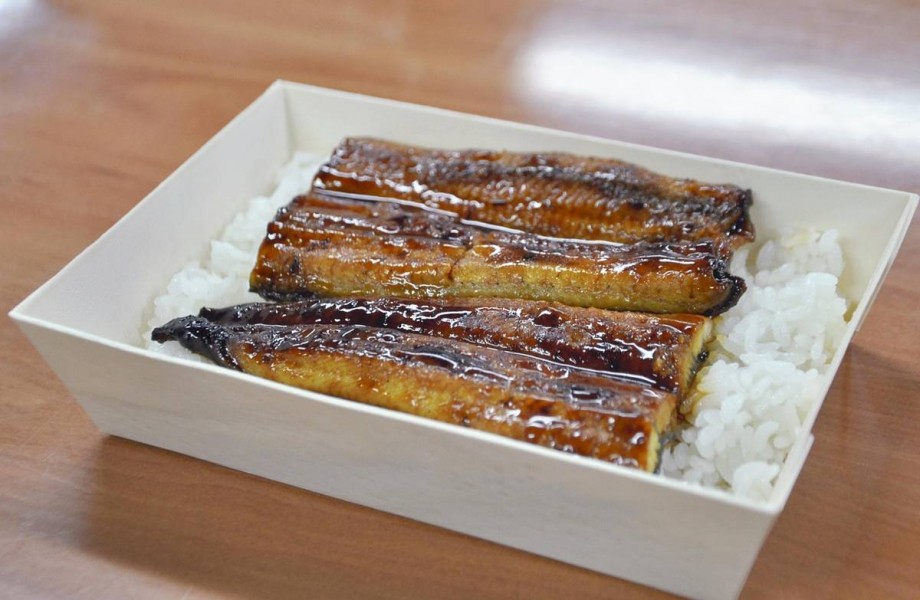
The world’s first sale of eels that have been produced by artificially hatching them from eggs will begin on a trial basis from May 29.
The project, led by Oita-based leading eel farmer Yamada Suisan Co., is aiming to gauge consumer demand before the process is commercialized. However, it has been pointed out that challenges remain, including the need to establish farming techniques and for prices to be kept in check.
On Tuesday, Agriculture, Forestry and Fisheries Minister Norikazu Suzuki praised the taste of the eel after sampling the full-cycle cultivated eel ahead of the sales launch. “I can only say it’s delicious. I want to support efforts to make this available to many consumers,” he said.
“By increasing [production] volumes, we want to plan for the next phase,” said Yamada Suisan President Shintaro Yamada. The company plans to conduct trial sales at stores and on e-commerce sites, with each eel priced at around ¥5,000.
Full-cycle cultivation is a technique in which adult eels raised from artificially collected eggs are induced to spawn, thereby passing on the lineage to the next generation. The predecessor organization to the Japan Fisheries Research and Education Agency achieved the world’s first successful full-cycle cultivation in 2010, and the agency has continued to advance the research.
As a result of developments such as large-scale tanks and feed, tens of thousands of juveniles can be produced per year as of 2026.
However, the process of raising eels from eggs to the juvenile stage remains difficult, and the technology for efficient, stable mass production has not yet been established. The glass eels used for farming Japanese eel currently rely primarily on those bred naturally.
The supply of domestic eels fell to 60,941 tons in 2024, about 40% of the peak level reached in 2000, resulting in a high dependence on imports from China and other countries.
Controlling production costs also remains a challenge. Although the cost per juvenile eel has dropped from ¥40,000 in fiscal 2016 to ¥1,800 today, it is still three to four times higher than that of wild eels.
To ensure a stable supply, the agency has indicated that it will continue technological development with the immediate goal of reducing production costs to ¥800.
- May 21, 2026
- Comment (0)
- Trackback(0)