
Loading

Search
▼ Rising Prices In Japan Squeeze Household Finances
- Category:Shopping
As Japan depends greatly on imported food and energy, the prices of many goods tend to rise if the yen’s lower value boosts the cost of imported items.
All the major parties are vowing to lower the consumption tax rate in their campaigns for the House of Representatives election.
Partly due to surging prices for materials, prices in general have been rising for a prolonged time and household finances are being squeezed as a result.
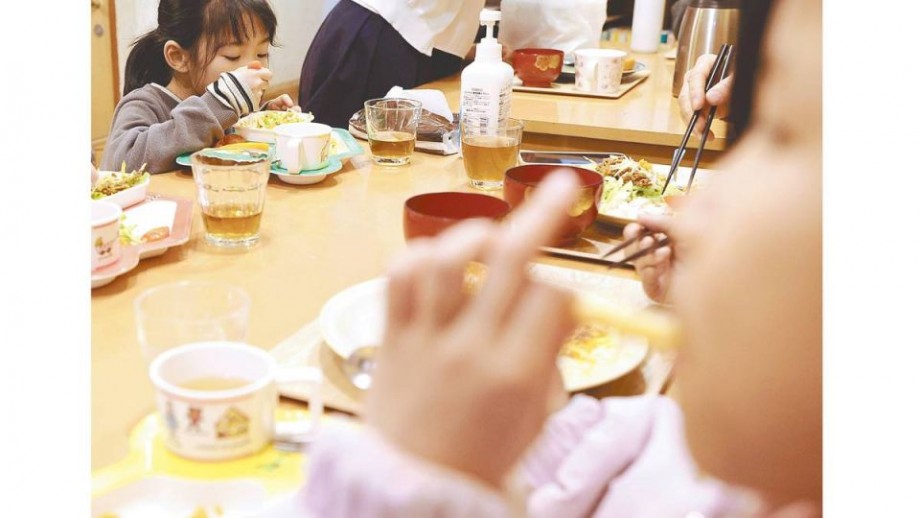
About 50 people — parents and their children — gathered at a volunteer-run cafeteria for children in need at a corner of the Takashima Danchi housing complex in Itabashi Ward, Tokyo, on a cold evening on Jan. 21.
Many residents of the complex are elderly, and many of the buildings are aged.
The day’s menu comprised a plate of taco rice — minced meat, tomato and other ingredients topped on rice — a cup of soup and one mikan mandarin orange per person.
Named Okaeri Gohan, the cafeteria is run by the nonprofit organization Dream Town. It operates the cafeteria twice a week to assist households in which both parents have jobs and to prevent elderly people from becoming isolated.
The cafeteria provides meals for a fee of ¥100 for high school students or younger and ¥500 for adults. If parents and children eat together, the fee is ¥500 per parent regardless of the number of children.
According to Dream Town, the daily number of users of the meal service has tripled from three years ago. Representative director Atsuko Inoue, 41, said, “I see the impact of rising prices.”
A 41-year-old female company employee who came to the cafeteria with her 5-year-old daughter and 3-year-old son said that because her salary has not increased, they usually eat noodles and packaged frozen vegetables for everyday meals.
“It’s helpful to get meals with a good nutritional balance at low prices,” she said, expressing her gratitude.
A 60-year-old unemployed woman said: “The more necessary food items are, the higher their price. I wonder how long this will go on, and I can’t imagine when my hardships will end.”
The woman has used the cafeteria two to three times a month. She lives on a monthly disability pension of about ¥65,000 and sometimes forgoes an evening meal to save money.
Up 4 years in a row
Average figures for 2025 in the nationwide Consumer Price Index, publicized by the Internal Affairs and Communications Ministry, put the index for “All items, excluding food” at 111.2 against 100 in 2020.
The figure rose 3.1% from the previous year and marked the fourth consecutive yearly increase.
Among 522 categories of goods, the prices rose for 440, or more than 80%. The price for rice, which is a staple of daily living, rose 67.2% and for eggs 10.3%.
As Japan depends greatly on imported food and energy, the prices of many goods tend to rise if the yen’s lower value boosts the cost of imported items.
As the prices of necessities that consumers often buy have been on the rise, many people are likely feeling the impact keenly.
Rent rises ¥50,000
Housing expenses have also risen. A 39-year-old housewife who lives with her husband and four children of kindergarten to elementary school age in a condominium in Taisho Ward, Osaka, could not believe her eyes when she saw an email from their real estate company in October last year.
The family lives in a 5LDK unit and their monthly rent had been ¥150,000. The email notified them that the rent would rise by ¥50,000 from April because of rising prices of goods and services in general.
She liked the location of the condo, which is close to a school that her children attend and a train station, but the family decided to move. The couple now aims to buy a previously owned house with a bank loan.
According to research by At Home Co., a major real estate service company, the average proposed rent of condominium units soared in major cities in December last year.
A 50- to 70-square-meter unit for a family in Tokyo’s 23 wards exceeded ¥250,000 on average, up ¥63,000 from five years ago. In Osaka, the average rose by ¥45,000 and in Fukuoka by ¥41,000.
Falling real wages
The growth of wages has not caught up with price increases.
According to the Health, Labor and Welfare Ministry’s Monthly Labor Survey, the real wage per worker in 2024, after adjusting for the effects of price fluctuations, fell 0.3% from a year ago, marking the third consecutive year of decline.
Late last year, the government abolished a temporary additional gasoline tax as a measure to cope with rising prices. In addition, the government plans to provide financial assistance for household expenditures on electricity and gas in this winter.
For consumption from January to March this year, the total burden per household will be lowered by about ¥7,300.
Takahide Kiuchi, executive economist of Nomura Research Institute, said: “Even if the consumption tax rate is lowered, the effect will be offset if prices rise further.
It’s necessary to build a system in which middle class people and low-income earners will not become needy regardless of price fluctuations.”
He also proposed that political parties should make progress in debates about the introduction of a refundable tax credit system.
Under such a system, low-income earners whose income tax payments are too low to receive the benefits of tax cuts will receive cash provisions to cover the unrealized benefits.
- February 2, 2026
- Comment (2)
- Trackback(0)
Comment(s) Write comment
casino slot games that pay real money usa <a href="https://gamblepronow.com/">online blackjack tournaments</a> best casino sites casinos
-
Vuwjkl Web Site
- February 11, 2026
Igifgo Web Site- February 11, 2026