
Loading

Search
▼ Sister Entrepreneurs Bring Matcha Culture From Philippines Back To Japan
- Category:Other
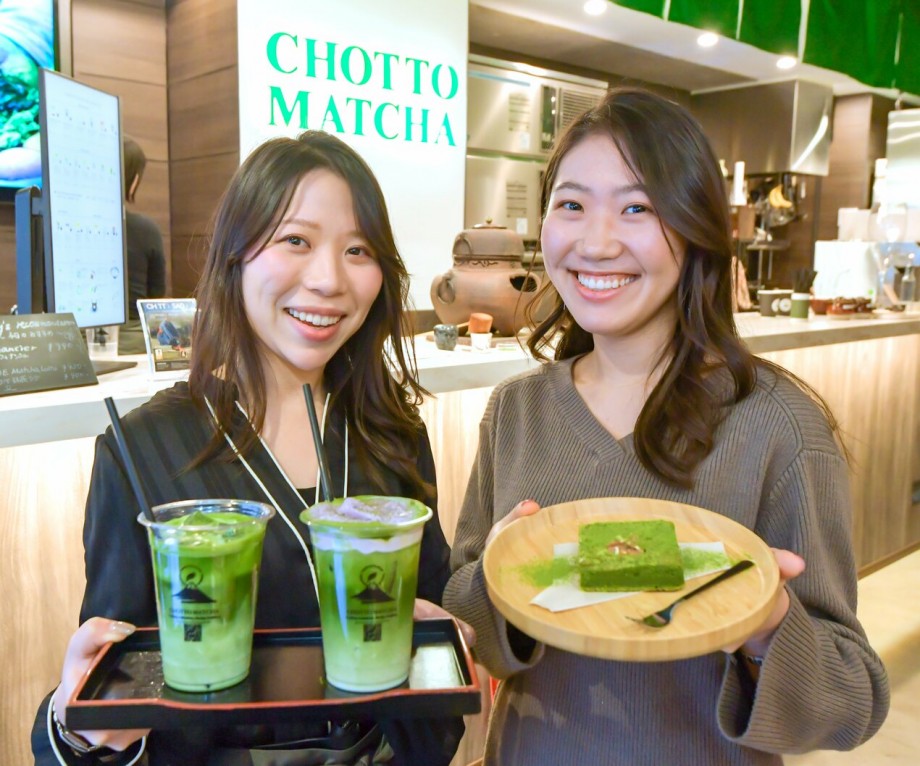
From the foot of Mt. Fuji to a new cafe in Tokyo by way of the Philippines, matcha brand Chotto Matcha has taken an unconventional route to reaching customers in Japan.
Chotto Matcha founders, sisters Sakura and Misaki Motohashi, opened a branch of their brand’s matcha cafe in Tokyo in November, serving matcha sourced from farms near the foot of Mt. Fuji in Shizuoka Prefecture to customers in the capital’s Asakusa district.
Chotto Matcha founders, sisters Sakura and Misaki Motohashi, opened a branch of their brand’s matcha cafe in Tokyo in November, serving matcha sourced from farms near the foot of Mt. Fuji in Shizuoka Prefecture to customers in the capital’s Asakusa district.
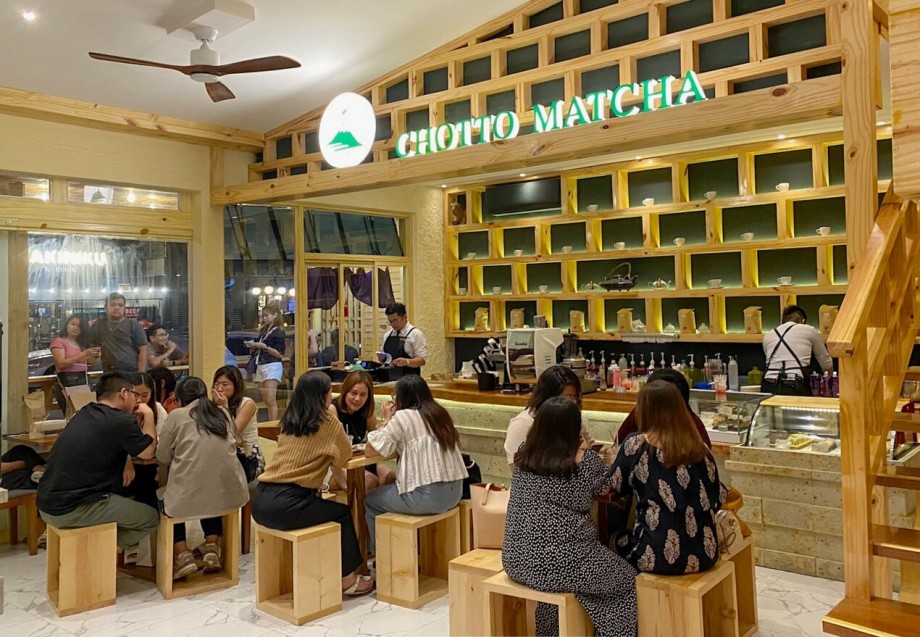
Despite being born and raised in Tokyo, the Chotto Matcha Asakusa cafe represents the sisters’ first cafe in Japan with their brand.
Sakura, 23, and Misaki, 21, launched Chotto Matcha in the Philippines, where they had lived and studied as teenagers. The pair opened their first matcha cafe -- a small operation inside a Japanese restaurant -- in Makati, Manila in 2023.
Chotto Matcha now has three locations in Manila, the latest cafe opening in the Park Triangle area of the capital’s upscale Bonifacio Global City in December.
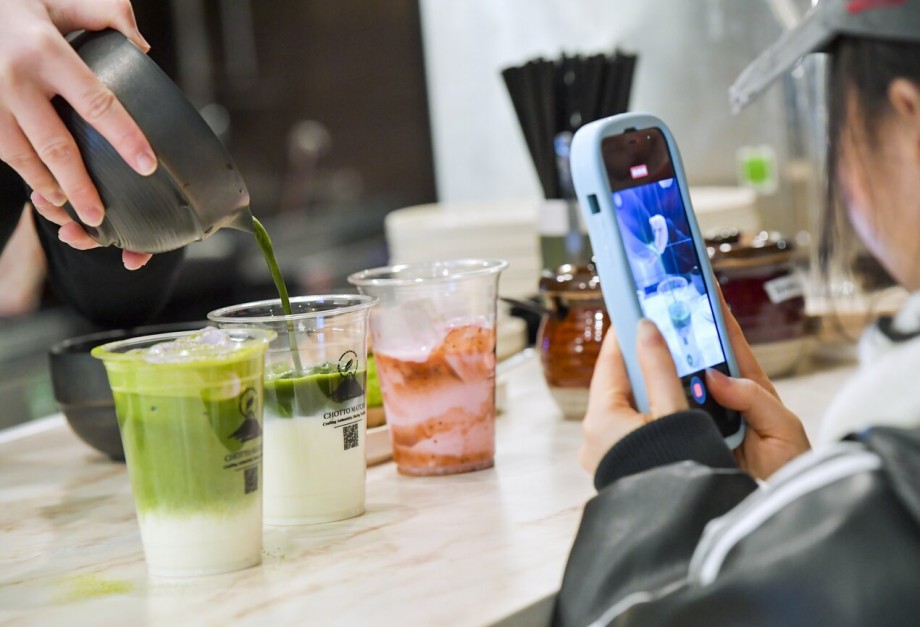
Back in Tokyo at Chotto Matcha Asakusa, as well as authentic matcha, customers can get a taste of how the powdered green tea is enjoyed in the Philippines, particularly among the young, female Gen Z customers that the pair says frequent their cafes in Manila.
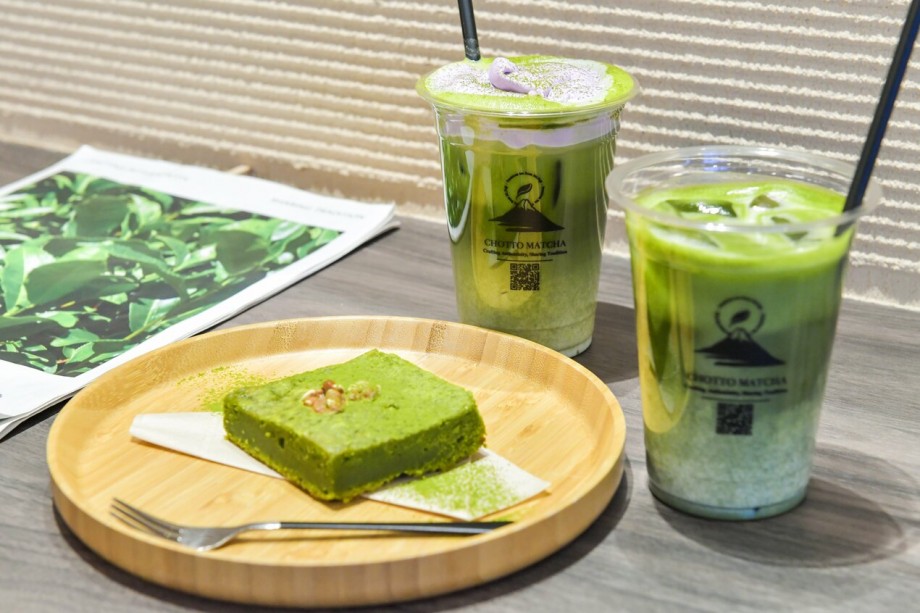
Popular menu items from the Manila cafes include the ube matcha einspanner -- blending matcha with the sweet-tasting ube, a purple yam popular in the Philippines.
The strawberry matcha latte is also a hit. Food includes matcha bars and matcha chiffon cake, made in-house.
Popular menu items from the Manila cafes include the ube matcha einspanner -- blending matcha with the sweet-tasting ube, a purple yam popular in the Philippines.
The strawberry matcha latte is also a hit. Food includes matcha bars and matcha chiffon cake, made in-house.
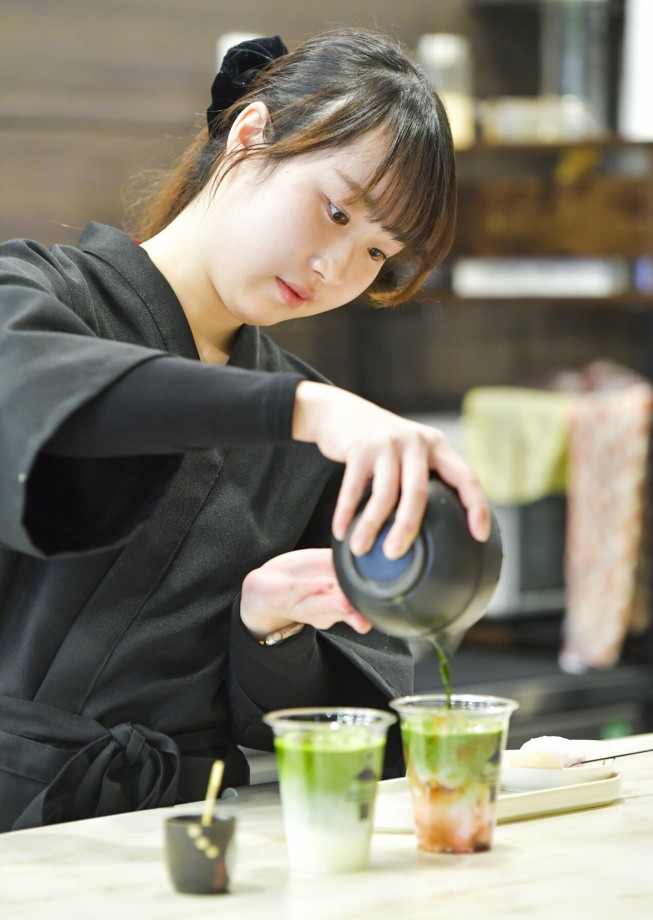
“People usually love drinking matcha sweeter because in the Philippines they just love sweet things,” Sakura told Japan Wire in January. “I think that's really the difference between Japan and the Philippines.”
The cafe in Asakusa, a short walk from the famous Sensoji temple, appears casual and modern. A large dressing mirror set against one of the walls stands out from traditional touches like noren curtains and paintings.
The sisters say it is for customers to take mirror or fit check selfies -- the social media term for the trend of showcasing the day’s outfit.
The cafe in Asakusa, a short walk from the famous Sensoji temple, appears casual and modern. A large dressing mirror set against one of the walls stands out from traditional touches like noren curtains and paintings.
The sisters say it is for customers to take mirror or fit check selfies -- the social media term for the trend of showcasing the day’s outfit.
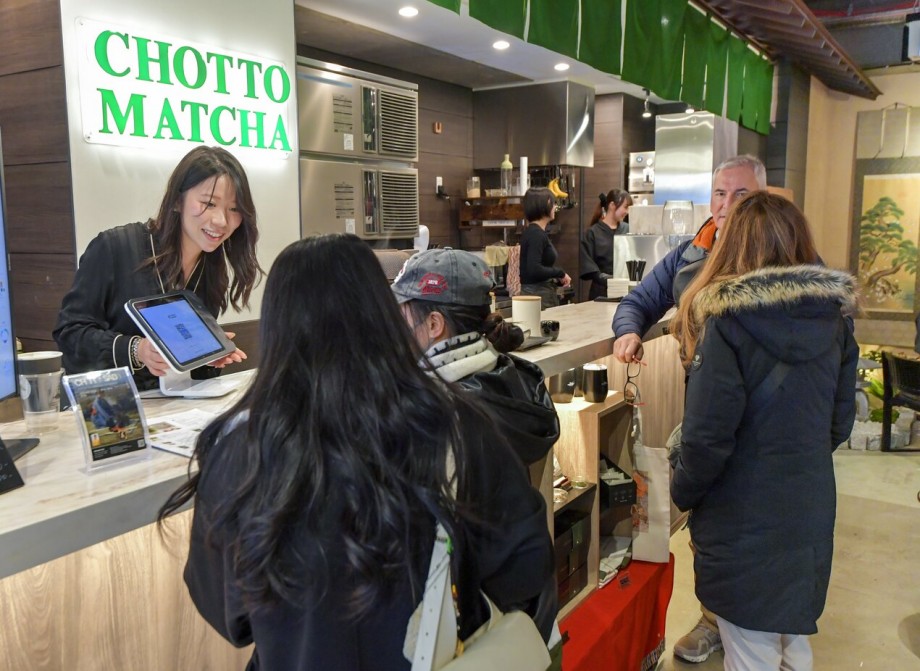
The mirror also reflects a part of modern matcha’s appeal -- its image, particularly among younger consumers in the Philippines, according to the sisters.
“People appreciate matcha not just as a drink but as a concept or a lifestyle. A lot of young people want to grab a matcha because it looks pretty or because it offers a chance to hang out with friends,” Misaki said.
“People appreciate matcha not just as a drink but as a concept or a lifestyle. A lot of young people want to grab a matcha because it looks pretty or because it offers a chance to hang out with friends,” Misaki said.
- January 29, 2026
- Comment (0)
- Trackback(0)