
Loading

Search
▼ Naphtha Shortage Concern Hits Car Manufacture Industry, Impacting Thinner Supplies, Hiking Tire Prices
- Category:Other
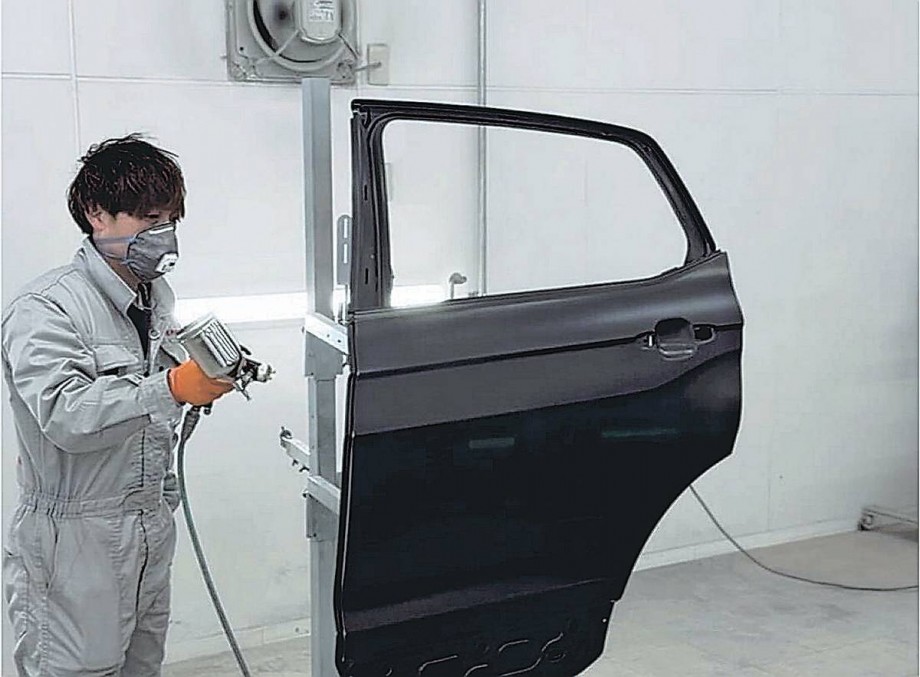
The de facto blockade of the Strait of Hormuz is having a ripple effect on the car manufacture and repair industries in Japan.
Imports of naphtha, which is made from crude oil, are coming to standstill, and the shortage of naphtha-derived thinners is becoming a noticeable problem among manufacturers and painting contractors. Thinners are indispensable for making paints and coating materials.
Impact on plating, painting
In March, Ikeuchi, a Tokyo-based company that runs 31 auto body and paint shops across Japan, received an alarming notice from a supplier, saying thinner supplies may become unstable. According to Ikeuchi, the supply of thinners has decreased by about 80%, while the cost has risen by 40% to 50%.
The company was planning to open three new shops in April, but has since postponed their openings due to the inability to secure thinners and paints. Thinners are essential in cleaning car parts and diluting paints.
“If the current situation continues, we may become unable to do business. It’s a critical situation,” said the head of the company’s technology department, appealing its plight.
The thinners shortage has already resulted in decreased production in some cases. Nippon Fruehalf Co., which manufactures cargo boxes for trucks and containers, announced on April 20 that the company would partially reduce production due to shortage of thinners.
Cargo boxes are considered especially vulnerable to shortages due to the larger surface area to paint compared to passenger cars, as well as needing to paint company names and logos.
Due to raw material price hikes caused by supply constraints, Nihon Michelin Tire Co. will raise domestic shipping prices of summer tires by 3% to 5% starting in June.
Unforeseeable future
“We have no way of predicting the next several months,” said Yasushi Matsui, Denso Corp.’s executive vice president, at a results briefing on April 28, expressing concern for the future.
In the consolidated earnings forecast for the fiscal year ending March 2027, the company anticipates various uncertainties, such as naphtha supply concerns and other factors in the Middle East, will lead to a ¥45 billion decrease in operating profit.
Naphtha, produced primarily by distilling crude oil, is a raw material in plastics used in many car parts. Rising oil prices can lead to the cost increase of each part, alongside concerns of a shortage of currently secured inventory.
Japan relies on imports from the Middle East for 40% of domestic naphtha consumption, meaning the shortage will affect the whole automobile supply chain.
According to the preliminary March foreign trade statistics announced by the Finance Ministry on April 28, the amount of volatile oil, including naphtha, imported from the Middle East decreased by 36.9% compared to the same month in the previous year.
Running to secure stock
At a minister-level meeting on the situation in the Middle East on April 30, Prime Minister Sanae Takaichi explained that the domestic supply of chemical products using naphtha “is expected to continue by the end of the year and beyond” by securing alternative procurement sources, such as the United States and Peru.
According to the government, petrochemical makers and other related companies are supplying sufficient quantities of petrochemical products. However, concerns about naphtha supply persist among manufacturers and contractors, leading to a surge in companies increasing their stockpiles of naphtha-derived products.
“If businesses move to try to secure excessive stockpiles, the supply-demand balance will be disrupted, and supply imbalance may continue,” said Takayuki Honma, the head of the economic analyst department of Sumitomo Corporation Global Research Co.
Imports of naphtha, which is made from crude oil, are coming to standstill, and the shortage of naphtha-derived thinners is becoming a noticeable problem among manufacturers and painting contractors. Thinners are indispensable for making paints and coating materials.
Impact on plating, painting
In March, Ikeuchi, a Tokyo-based company that runs 31 auto body and paint shops across Japan, received an alarming notice from a supplier, saying thinner supplies may become unstable. According to Ikeuchi, the supply of thinners has decreased by about 80%, while the cost has risen by 40% to 50%.
The company was planning to open three new shops in April, but has since postponed their openings due to the inability to secure thinners and paints. Thinners are essential in cleaning car parts and diluting paints.
“If the current situation continues, we may become unable to do business. It’s a critical situation,” said the head of the company’s technology department, appealing its plight.
The thinners shortage has already resulted in decreased production in some cases. Nippon Fruehalf Co., which manufactures cargo boxes for trucks and containers, announced on April 20 that the company would partially reduce production due to shortage of thinners.
Cargo boxes are considered especially vulnerable to shortages due to the larger surface area to paint compared to passenger cars, as well as needing to paint company names and logos.
Due to raw material price hikes caused by supply constraints, Nihon Michelin Tire Co. will raise domestic shipping prices of summer tires by 3% to 5% starting in June.
Unforeseeable future
“We have no way of predicting the next several months,” said Yasushi Matsui, Denso Corp.’s executive vice president, at a results briefing on April 28, expressing concern for the future.
In the consolidated earnings forecast for the fiscal year ending March 2027, the company anticipates various uncertainties, such as naphtha supply concerns and other factors in the Middle East, will lead to a ¥45 billion decrease in operating profit.
Naphtha, produced primarily by distilling crude oil, is a raw material in plastics used in many car parts. Rising oil prices can lead to the cost increase of each part, alongside concerns of a shortage of currently secured inventory.
Japan relies on imports from the Middle East for 40% of domestic naphtha consumption, meaning the shortage will affect the whole automobile supply chain.
According to the preliminary March foreign trade statistics announced by the Finance Ministry on April 28, the amount of volatile oil, including naphtha, imported from the Middle East decreased by 36.9% compared to the same month in the previous year.
Running to secure stock
At a minister-level meeting on the situation in the Middle East on April 30, Prime Minister Sanae Takaichi explained that the domestic supply of chemical products using naphtha “is expected to continue by the end of the year and beyond” by securing alternative procurement sources, such as the United States and Peru.
According to the government, petrochemical makers and other related companies are supplying sufficient quantities of petrochemical products. However, concerns about naphtha supply persist among manufacturers and contractors, leading to a surge in companies increasing their stockpiles of naphtha-derived products.
“If businesses move to try to secure excessive stockpiles, the supply-demand balance will be disrupted, and supply imbalance may continue,” said Takayuki Honma, the head of the economic analyst department of Sumitomo Corporation Global Research Co.
- May 18, 2026
- Comment (0)
- Trackback(0)