
Loading

Search
▼ Japan Diet Begins Debate On Huge Extra Budget, Increasing Fiscal Concerns
- Category:Other
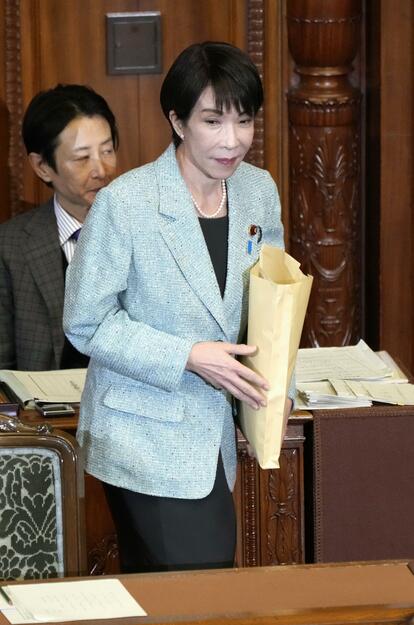
Japanese lawmakers on Monday began deliberations on an 18.3 trillion yen ($118 billion) extra budget for this fiscal year, with Prime Minister Sanae Takaichi's drastic spending plans fueling concern over a further deterioration in the country's fiscal health and pushing up long-term interest rates.
The government and ruling bloc led by Takaichi's Liberal Democratic Party aim to pass the bill by the end of the current Diet session on Dec. 17 to fund a stimulus package featuring measures to ease rising living costs and encourage investment to spur growth.
The government plans to raise 11.7 trillion yen through new bond issuances to cover more than 60 percent of the supplementary budget, which is the largest since fiscal 2022 when the state was increasing spending during the coronavirus pandemic downturn.
In response to an opposition lawmaker questioning the large scale of the draft budget, Takaichi said it contains only "truly necessary" measures, describing them as "strategic fiscal spending."
In a speech to the House of Representatives, Finance Minister Satsuki Katayama called for swift approval of the budget, saying consumption is weak as wage growth fails to keep pace with inflation.
The economic package "aims to urgently address rising prices to protect living standards and restore the strength of the Japanese economy," the minister said.
In financial markets, growing fears about the impact of Takaichi's expansionary policies on fiscal health have triggered selling of government bonds, sending long-term interest rates sharply higher. Bond yields move inversely to prices.
In Monday's trading, the yield on Japan's benchmark 10-year government bond hit 1.965 percent, its highest level since June 2007. Japan's fiscal health is already the worst among advanced economies, with debt over twice the size of the economy.
Under the budget, Takaichi's administration seeks to provide relief measures, including subsidies for electricity and gas bills and cash handouts for households with children.
The government also aims to bolster investment, particularly in the semiconductor and shipbuilding sectors, which Takaichi views as vital to national security.
It also includes defense-related outlays to bring such spending in fiscal 2025 to the government's target of 2 percent of gross domestic product. It had previously planned to reach the goal in fiscal 2027.
Meanwhile, the main opposition Constitutional Democratic Party of Japan and the Komeito party, which exited its coalition with the LDP before Takaichi took office in October, are considering submitting a proposal to change the spending allocation to provide more support for low- and middle-income households.
The government and ruling bloc led by Takaichi's Liberal Democratic Party aim to pass the bill by the end of the current Diet session on Dec. 17 to fund a stimulus package featuring measures to ease rising living costs and encourage investment to spur growth.
The government plans to raise 11.7 trillion yen through new bond issuances to cover more than 60 percent of the supplementary budget, which is the largest since fiscal 2022 when the state was increasing spending during the coronavirus pandemic downturn.
In response to an opposition lawmaker questioning the large scale of the draft budget, Takaichi said it contains only "truly necessary" measures, describing them as "strategic fiscal spending."
In a speech to the House of Representatives, Finance Minister Satsuki Katayama called for swift approval of the budget, saying consumption is weak as wage growth fails to keep pace with inflation.
The economic package "aims to urgently address rising prices to protect living standards and restore the strength of the Japanese economy," the minister said.
In financial markets, growing fears about the impact of Takaichi's expansionary policies on fiscal health have triggered selling of government bonds, sending long-term interest rates sharply higher. Bond yields move inversely to prices.
In Monday's trading, the yield on Japan's benchmark 10-year government bond hit 1.965 percent, its highest level since June 2007. Japan's fiscal health is already the worst among advanced economies, with debt over twice the size of the economy.
Under the budget, Takaichi's administration seeks to provide relief measures, including subsidies for electricity and gas bills and cash handouts for households with children.
The government also aims to bolster investment, particularly in the semiconductor and shipbuilding sectors, which Takaichi views as vital to national security.
It also includes defense-related outlays to bring such spending in fiscal 2025 to the government's target of 2 percent of gross domestic product. It had previously planned to reach the goal in fiscal 2027.
Meanwhile, the main opposition Constitutional Democratic Party of Japan and the Komeito party, which exited its coalition with the LDP before Takaichi took office in October, are considering submitting a proposal to change the spending allocation to provide more support for low- and middle-income households.
- December 8, 2025
- Comment (0)
- Trackback(0)