
Loading

Search
▼ Japanese Craft Breweries Are Turning Unsold Beer Into Gin
- Category:Gourmet
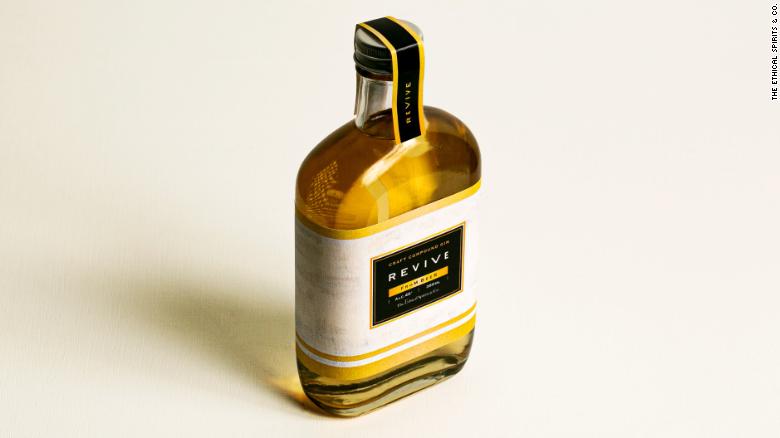
This was going to be a big year for Japan. With the Summer Olympics due to be hosted in Tokyo, the island nation expected 40 million tourists to grace its shores.
But when Covid-19 took hold, the Olympics were postponed and the already struggling economy took a further battering.
With bars and restaurants suffering a significant reduction in business beer sales in Japan dropped 26% by volume for the first half of the year, according to Bloomberg.
That's a big problem for small beer breweries, says Isamu Yoneda, head distiller at artisanal drinks maker Kiuchi Brewery. With few customers in its brewpubs, and export orders canceled, Kiuchi Brewery was left with a stockpile of spoiling beer.
The company had to come up with a solution — and decided to turn the unsold beer into a different alcoholic beverage.
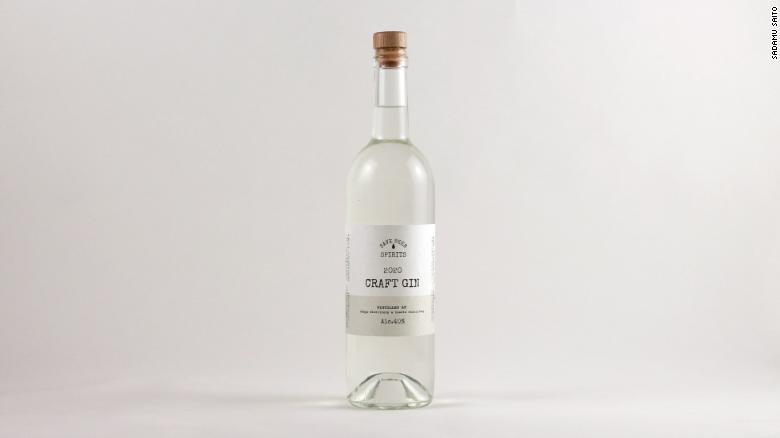
In April, Kiuchi Brewery launched the "Save Beer Spirits" campaign at its Tokyo distillery, offering local bars and breweries the chance to turn unused beer, a product with a four to six-month shelf life, into gin — a product without an expiration date.
In 1994, Japan relaxed its strict laws around microbrewing, sparking a boom in craft beer.
While overall beer sales in Japan have stagnated for the last decade, craft beer has been on the rise: its 0.5% share of the total beer market in 2007 had more than tripled by 2016.
Kiuchi Brewery — which began as a sake producer in 1823 — is one of many drinks producers that branched into craft beer when microbrewing laws changed. It has been making its signature Hitachino Nest craft beer for 24 years.
Yoneda says that turning beer into spirits isn't a new innovation. Kiuchi Brewery has been using beer to make plum wine liqueur for years, and has experimented with gin liqueurs in the past.
Most gins are made with a base of grains like barley, rye or wheat, which are fermented into a mash, then distilled into a high-proof "neutral" spirit. The spirit is then distilled a second time with juniper berries and other botanicals, which add flavor.

The beer replaces this neutral spirit, skipping the mash and fermentation process, and jumping straight to distillation.
Kiuchi Brewery asked participating bars to send in a minimum of 20 liters of unused beer, which would be sent back as gin, says Yoneda. Kiuchi can produce eight liters of gin from every 100 liters of beer. It then sends back the gin as a standard 750ml bottle of gin or as a sparkling gin cocktail, either in cans or in a keg for bars to use in their taps.
Yoneda says the beer base makes the gin bitter, but in addition to juniper berries, Kiuchi uses sansho peppers, lemons and mikan (Japanese oranges), which helps to "balance out the bitterness" with "citrusy notes."
The bars only have to shoulder the cost of delivery, with Kiuchi Brewery offering its distillation service free of charge. "In these troublesome times, it is our responsibility to offer this service to everyone," says Yoneda. "Most importantly, we want to keep the breweries and bar community alive."
Kiuchi isn't the only brewery using beer to make gin.
The Ethical Spirits & Co was founded in February 2020 to help sake distillers turn leftover sake lees into new spirits, says co-founder Chikara Ono. When the pandemic hit and beer sales plummeted, Ono says the company began exploring new recipes to make gin from beer.
In May, they received a donation of 20,000 liters of expiring Budweiser from drinks giant AB InBev, who had a surplus of stock due to a drop in beer sales. The startup used the beer to create 4,500 bottles of gin.
"We had a problem of excess inventory and Ethical Spirits had the knowledge and the right ethos to create a product that we mutually thought would be a positive impact," says Takahiro Shimada, head of marketing for AB InBev Japan, adding that the company wanted to support local businesses.
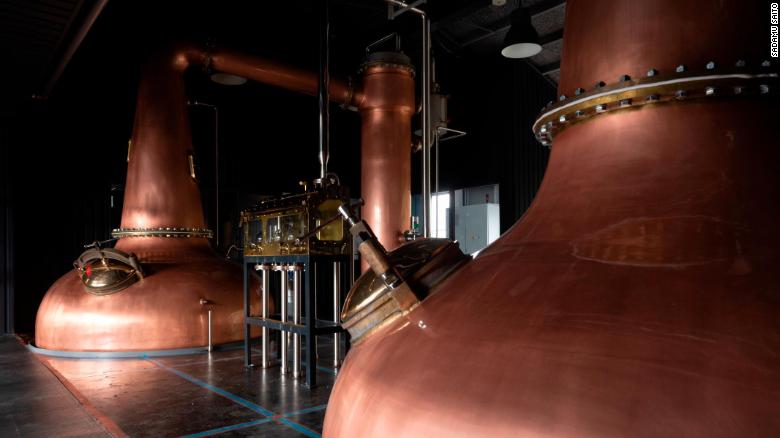
The Ethical Spirits & Co is still in the process of building its own distillery in Tokyo, scheduled to open in December, so they collaborated with Gekkeikan sake distillery to distil the Budweiser.
The beer-based gin initiatives are tapping into a rapidly emerging market.
Japan's first dedicated gin distillery opened just four years ago in Kyoto, but the gin market is already estimated to be worth $209 million and is anticipated to grow by 4.4% annually over the next three years.
Large drinks companies, including Japanese whisky giants Suntory and Nikka, have helped launch Japanese craft gin onto the international stage.
Drinking trends in Japan are pointing towards gin sodas and ready-to-drink canned cocktails, creating an opportunity for creative spirit producers to sustainably reuse surplus drink stock, says Ono.
"If you can essentially use unused or remaining ingredients to create something special and something premium, that's great. It follows with our vision of trying to achieve a sustainable, circular economy," says Ono.
But when Covid-19 took hold, the Olympics were postponed and the already struggling economy took a further battering.
With bars and restaurants suffering a significant reduction in business beer sales in Japan dropped 26% by volume for the first half of the year, according to Bloomberg.
That's a big problem for small beer breweries, says Isamu Yoneda, head distiller at artisanal drinks maker Kiuchi Brewery. With few customers in its brewpubs, and export orders canceled, Kiuchi Brewery was left with a stockpile of spoiling beer.
The company had to come up with a solution — and decided to turn the unsold beer into a different alcoholic beverage.
In April, Kiuchi Brewery launched the "Save Beer Spirits" campaign at its Tokyo distillery, offering local bars and breweries the chance to turn unused beer, a product with a four to six-month shelf life, into gin — a product without an expiration date.
A mission to save beer
In 1994, Japan relaxed its strict laws around microbrewing, sparking a boom in craft beer.
While overall beer sales in Japan have stagnated for the last decade, craft beer has been on the rise: its 0.5% share of the total beer market in 2007 had more than tripled by 2016.
Kiuchi Brewery — which began as a sake producer in 1823 — is one of many drinks producers that branched into craft beer when microbrewing laws changed. It has been making its signature Hitachino Nest craft beer for 24 years.
Yoneda says that turning beer into spirits isn't a new innovation. Kiuchi Brewery has been using beer to make plum wine liqueur for years, and has experimented with gin liqueurs in the past.
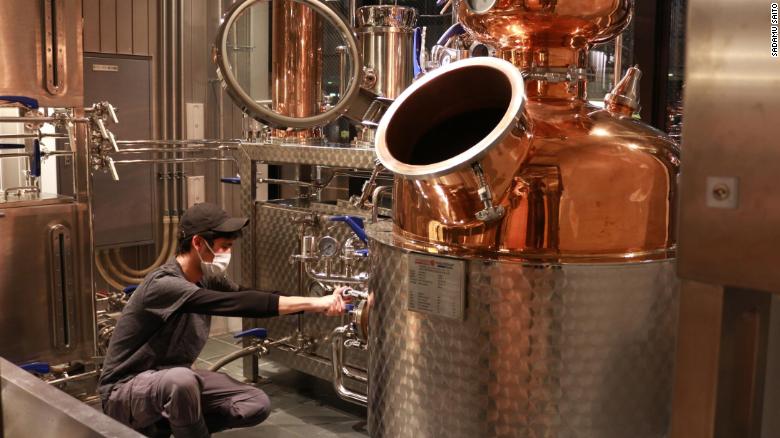
Most gins are made with a base of grains like barley, rye or wheat, which are fermented into a mash, then distilled into a high-proof "neutral" spirit. The spirit is then distilled a second time with juniper berries and other botanicals, which add flavor.
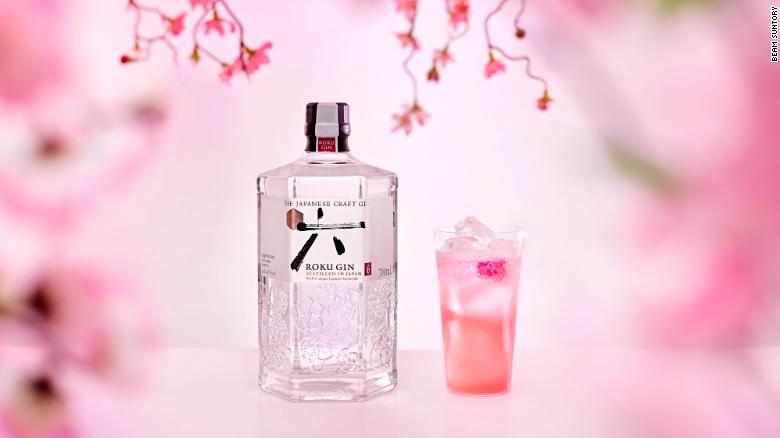
Kiuchi Brewery asked participating bars to send in a minimum of 20 liters of unused beer, which would be sent back as gin, says Yoneda. Kiuchi can produce eight liters of gin from every 100 liters of beer. It then sends back the gin as a standard 750ml bottle of gin or as a sparkling gin cocktail, either in cans or in a keg for bars to use in their taps.
Yoneda says the beer base makes the gin bitter, but in addition to juniper berries, Kiuchi uses sansho peppers, lemons and mikan (Japanese oranges), which helps to "balance out the bitterness" with "citrusy notes."
The bars only have to shoulder the cost of delivery, with Kiuchi Brewery offering its distillation service free of charge. "In these troublesome times, it is our responsibility to offer this service to everyone," says Yoneda. "Most importantly, we want to keep the breweries and bar community alive."
A sustainable spirit
Kiuchi isn't the only brewery using beer to make gin.
The Ethical Spirits & Co was founded in February 2020 to help sake distillers turn leftover sake lees into new spirits, says co-founder Chikara Ono. When the pandemic hit and beer sales plummeted, Ono says the company began exploring new recipes to make gin from beer.
In May, they received a donation of 20,000 liters of expiring Budweiser from drinks giant AB InBev, who had a surplus of stock due to a drop in beer sales. The startup used the beer to create 4,500 bottles of gin.
"We had a problem of excess inventory and Ethical Spirits had the knowledge and the right ethos to create a product that we mutually thought would be a positive impact," says Takahiro Shimada, head of marketing for AB InBev Japan, adding that the company wanted to support local businesses.
The Ethical Spirits & Co is still in the process of building its own distillery in Tokyo, scheduled to open in December, so they collaborated with Gekkeikan sake distillery to distil the Budweiser.
The beer-based gin initiatives are tapping into a rapidly emerging market.
Japan's first dedicated gin distillery opened just four years ago in Kyoto, but the gin market is already estimated to be worth $209 million and is anticipated to grow by 4.4% annually over the next three years.
Large drinks companies, including Japanese whisky giants Suntory and Nikka, have helped launch Japanese craft gin onto the international stage.
Drinking trends in Japan are pointing towards gin sodas and ready-to-drink canned cocktails, creating an opportunity for creative spirit producers to sustainably reuse surplus drink stock, says Ono.
"If you can essentially use unused or remaining ingredients to create something special and something premium, that's great. It follows with our vision of trying to achieve a sustainable, circular economy," says Ono.
- October 23, 2020
- Comment (9104)
- Trackback(1)
Comment(s) Write comment
Слушайте кто знает Ситуация критическая Дети напуганы Таблетки не помогают Короче, единственное что вытащило из запоя — вывод из запоя с выездом врача Приехали через 40 минут В общем, не потеряйте контакты — детоксикация на дому [url=https://kruglosutochno.vyvod-iz-zapoya-na-domu-moskva.ru]https://kruglosutochno.vyvod-iz-zapoya-na-domu-moskva.ru[/url] Звоните прямо сейчас Перешлите тем кто в такой же ситуации
-
Vivod iz zapoya na domy_ewmn Web Site
- 9/8 05:29
Москва, всем привет Близкий человек уже несколько дней в запое Дети напуганы В больницу тащить страшно Короче, единственное что вытащило из запоя — снятие интоксикации на дому быстро Приехали через 40 минут В общем, телефон и цены тут — вывод из запоя круглосуточно цены [url=https://anonimnyj.vyvod-iz-zapoya-na-domu-moskva.ru]вывод из запоя круглосуточно цены[/url] Вывод из запоя на дому — это реальный выход Перешлите тем кто в такой же ситуации
-
Vivod iz zapoya na domy_tiSr Web Site
- 9/8 05:29
Москва, всем привет Муж просто потерял себя Дети напуганы Таблетки не помогают Короче, единственное что вытащило из запоя — вывод из запоя дешево и качественно Через пару часов человек пришёл в себя В общем, не потеряйте контакты — вывод из запоя цена москва [url=https://kruglosutochno.vyvod-iz-zapoya-na-domu-moskva.ru]https://kruglosutochno.vyvod-iz-zapoya-na-domu-moskva.ru[/url] Звоните прямо сейчас Перешлите тем кто в такой же ситуации
-
Vivod iz zapoya na domy_aimn Web Site
- 9/8 03:31
Слушайте кто сталкивался Муж просто потерял себя Жена в истерике Таблетки не помогают Короче, врачи приехали и поставили систему — врач на дом капельница от запоя с препаратами Поставили капельницу с детоксикационным раствором В общем, телефон и цены тут — вывод из запоя круглосуточно москва [url=https://anonimnyj.vyvod-iz-zapoya-na-domu-moskva.ru]вывод из запоя круглосуточно москва[/url] Вывод из запоя на дому — это реальный выход Перешлите тем кто в такой же ситуации
-
Vivod iz zapoya na domy_raSr Web Site
- 9/8 03:30
веб-сайт [url=https://miningclub.live/]antminer s21[/url]
-
CarlosWem Web Site
- 9/8 03:20
Слушайте кто знает Близкий человек уже несколько дней в запое Дети напуганы Нужна срочная помощь на дому Короче, единственное что вытащило из запоя — вывод из запоя на дому цена доступная Поставили капельницу с детоксикационным раствором В общем, не потеряйте контакты — нарколог на дом вывод из запоя [url=https://kruglosutochno.vyvod-iz-zapoya-na-domu-moskva.ru]нарколог на дом вывод из запоя[/url] Не ждите пока станет хуже Перешлите тем кто в такой же ситуации
-
Vivod iz zapoya na domy_rvmn Web Site
- 9/8 01:36
Здорова, народ Муж просто потерял себя Жена в истерике Нужна срочная помощь на дому Короче, единственное что вытащило из запоя — вывод из запоя цена на дому фиксированная Приехали через 40 минут В общем, вся инфа по ссылке — вывод из запоя цена москва [url=https://anonimnyj.vyvod-iz-zapoya-na-domu-moskva.ru]https://anonimnyj.vyvod-iz-zapoya-na-domu-moskva.ru[/url] Звоните прямо сейчас Перешлите тем кто в такой же ситуации
-
Vivod iz zapoya na domy_yiSr Web Site
- 9/8 01:32
проверить сайт [url=https://miningclub.live/]whatsminer m50[/url]
-
CarlosWem Web Site
- 8/8 22:10
Здорова, народ Отец не выходит из штопора Дети напуганы Нужна срочная помощь на дому Короче, единственное что вытащило из запоя — вывод из запоя цена на дому фиксированная Сняли ломку и стабилизировали состояние В общем, вся инфа по ссылке — вывод из запоя на дому цена [url=https://lechenie.vyvod-iz-zapoya-na-domu-moskva.ru]вывод из запоя на дому цена[/url] Звоните прямо сейчас Перешлите тем кто в такой же ситуации
-
Vivod iz zapoya na domy_wuSl Web Site
- 8/8 15:18
Hello friends!
I came across a July helpful resource that I think you should visit.
This resource is packed with a lot of useful information that you might find insightful.
It has everything you could possibly need, so be sure to give it a visit!
[url=https://www.wiki.showcad.dotnetcloud.co.uk/index.php?title=World_Cup_2026_Betting_Odds]https://www.wiki.showcad.dotnetcloud.co.uk/index.php?title=World_Cup_2026_Betting_Odds[/url]
Additionally don't forget, guys, — a person at all times can inside the article locate answers to the most most tangled questions. We attempted to explain the complete information in the most easy-to-grasp way.
I came across a July helpful resource that I think you should visit.
This resource is packed with a lot of useful information that you might find insightful.
It has everything you could possibly need, so be sure to give it a visit!
[url=https://www.wiki.showcad.dotnetcloud.co.uk/index.php?title=World_Cup_2026_Betting_Odds]https://www.wiki.showcad.dotnetcloud.co.uk/index.php?title=World_Cup_2026_Betting_Odds[/url]
Additionally don't forget, guys, — a person at all times can inside the article locate answers to the most most tangled questions. We attempted to explain the complete information in the most easy-to-grasp way.
-
AnyaJulyMn Web Site
- 8/8 14:37
Люди подскажите Ситуация критическая Дети напуганы Таблетки не помогают Короче, только это реально спасло — вывод из запоя круглосуточно с выездом Приехали через 40 минут В общем, вся инфа по ссылке — вывод из запоя на дому москва цены [url=https://lechenie.vyvod-iz-zapoya-na-domu-moskva.ru]https://lechenie.vyvod-iz-zapoya-na-domu-moskva.ru[/url] Звоните прямо сейчас Перешлите тем кто в такой же ситуации
-
Vivod iz zapoya na domy_dcSl Web Site
- 8/8 12:55
Люди подскажите Брат снова сорвался Родственники не знают что делать Нужна срочная помощь на дому Короче, только это реально спасло — вывод из запоя дешево и качественно Поставили капельницу с детоксикационным раствором В общем, вся инфа по ссылке — вывод из запоя на дому круглосуточно в москве [url=https://lechenie.vyvod-iz-zapoya-na-domu-moskva.ru]https://lechenie.vyvod-iz-zapoya-na-domu-moskva.ru[/url] Звоните прямо сейчас Перешлите тем кто в такой же ситуации
-
Vivod iz zapoya na domy_pgSl Web Site
- 8/8 10:27
Слушайте кто знает Ситуация критическая Жена в истерике В больницу тащить страшно Короче, врачи приехали и поставили систему — вывод из запоя круглосуточно с выездом Поставили капельницу с детоксикационным раствором В общем, вся инфа по ссылке — врач на дом капельница от запоя [url=https://lechenie.vyvod-iz-zapoya-na-domu-moskva.ru]врач на дом капельница от запоя[/url] Не ждите пока станет хуже Перешлите тем кто в такой же ситуации
-
Vivod iz zapoya na domy_tfSl Web Site
- 8/8 08:00
Люди подскажите Ситуация критическая Соседи стучат в стену Нужна срочная помощь на дому Короче, врачи приехали и поставили систему — врач на дом капельница от запоя с препаратами Приехали через 40 минут В общем, не потеряйте контакты — вывод из запоя цена на дому в москве [url=https://kapelnicza.vyvod-iz-zapoya-na-domu-moskva.ru]вывод из запоя цена на дому в москве[/url] Вывод из запоя на дому — это реальный выход Перешлите тем кто в такой же ситуации
-
Vivod iz zapoya na domy_wbmn Web Site
- 8/8 07:54
Trackback (You need to login.)
https://cbgvwuh.christliche-beratung-hommel.de
- beutelglueck
- October 7, 2023
Vivod iz zapoya na domy_hemn Web Site- 9/8 07:22