
Loading

Search
▼ Japanese Craft Breweries Are Turning Unsold Beer Into Gin
- Category:Gourmet
This was going to be a big year for Japan. With the Summer Olympics due to be hosted in Tokyo, the island nation expected 40 million tourists to grace its shores.
But when Covid-19 took hold, the Olympics were postponed and the already struggling economy took a further battering.
With bars and restaurants suffering a significant reduction in business beer sales in Japan dropped 26% by volume for the first half of the year, according to Bloomberg.
That's a big problem for small beer breweries, says Isamu Yoneda, head distiller at artisanal drinks maker Kiuchi Brewery. With few customers in its brewpubs, and export orders canceled, Kiuchi Brewery was left with a stockpile of spoiling beer.
The company had to come up with a solution — and decided to turn the unsold beer into a different alcoholic beverage.
In April, Kiuchi Brewery launched the "Save Beer Spirits" campaign at its Tokyo distillery, offering local bars and breweries the chance to turn unused beer, a product with a four to six-month shelf life, into gin — a product without an expiration date.

In 1994, Japan relaxed its strict laws around microbrewing, sparking a boom in craft beer.
While overall beer sales in Japan have stagnated for the last decade, craft beer has been on the rise: its 0.5% share of the total beer market in 2007 had more than tripled by 2016.
Kiuchi Brewery — which began as a sake producer in 1823 — is one of many drinks producers that branched into craft beer when microbrewing laws changed. It has been making its signature Hitachino Nest craft beer for 24 years.
Yoneda says that turning beer into spirits isn't a new innovation. Kiuchi Brewery has been using beer to make plum wine liqueur for years, and has experimented with gin liqueurs in the past.
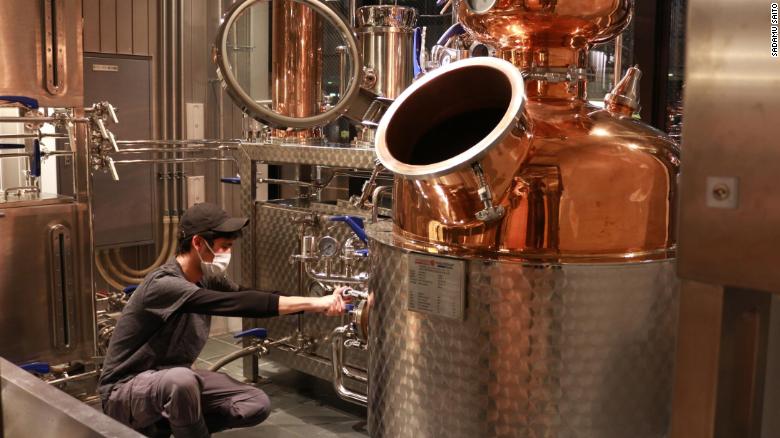
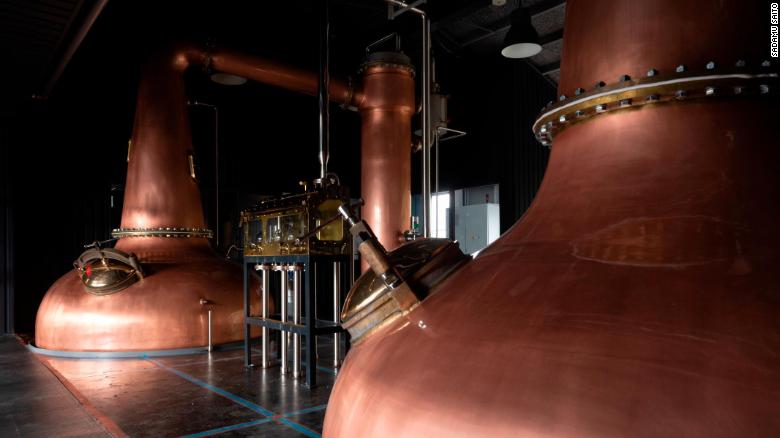
Most gins are made with a base of grains like barley, rye or wheat, which are fermented into a mash, then distilled into a high-proof "neutral" spirit. The spirit is then distilled a second time with juniper berries and other botanicals, which add flavor.

The beer replaces this neutral spirit, skipping the mash and fermentation process, and jumping straight to distillation.
Kiuchi Brewery asked participating bars to send in a minimum of 20 liters of unused beer, which would be sent back as gin, says Yoneda. Kiuchi can produce eight liters of gin from every 100 liters of beer. It then sends back the gin as a standard 750ml bottle of gin or as a sparkling gin cocktail, either in cans or in a keg for bars to use in their taps.
Yoneda says the beer base makes the gin bitter, but in addition to juniper berries, Kiuchi uses sansho peppers, lemons and mikan (Japanese oranges), which helps to "balance out the bitterness" with "citrusy notes."
The bars only have to shoulder the cost of delivery, with Kiuchi Brewery offering its distillation service free of charge. "In these troublesome times, it is our responsibility to offer this service to everyone," says Yoneda. "Most importantly, we want to keep the breweries and bar community alive."


Kiuchi isn't the only brewery using beer to make gin.
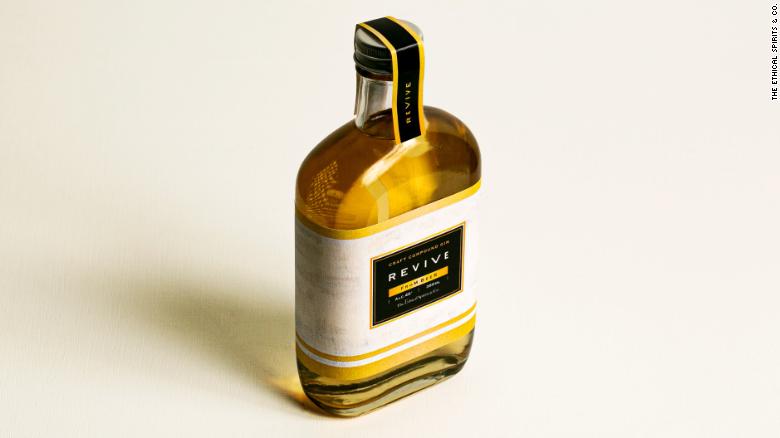
The Ethical Spirits & Co was founded in February 2020 to help sake distillers turn leftover sake lees into new spirits, says co-founder Chikara Ono. When the pandemic hit and beer sales plummeted, Ono says the company began exploring new recipes to make gin from beer.
In May, they received a donation of 20,000 liters of expiring Budweiser from drinks giant AB InBev, who had a surplus of stock due to a drop in beer sales. The startup used the beer to create 4,500 bottles of gin.
"We had a problem of excess inventory and Ethical Spirits had the knowledge and the right ethos to create a product that we mutually thought would be a positive impact," says Takahiro Shimada, head of marketing for AB InBev Japan, adding that the company wanted to support local businesses.
The Ethical Spirits & Co is still in the process of building its own distillery in Tokyo, scheduled to open in December, so they collaborated with Gekkeikan sake distillery to distil the Budweiser.
The beer-based gin initiatives are tapping into a rapidly emerging market.
Japan's first dedicated gin distillery opened just four years ago in Kyoto, but the gin market is already estimated to be worth $209 million and is anticipated to grow by 4.4% annually over the next three years.
Large drinks companies, including Japanese whisky giants Suntory and Nikka, have helped launch Japanese craft gin onto the international stage.
Drinking trends in Japan are pointing towards gin sodas and ready-to-drink canned cocktails, creating an opportunity for creative spirit producers to sustainably reuse surplus drink stock, says Ono.
"If you can essentially use unused or remaining ingredients to create something special and something premium, that's great. It follows with our vision of trying to achieve a sustainable, circular economy," says Ono.
But when Covid-19 took hold, the Olympics were postponed and the already struggling economy took a further battering.
With bars and restaurants suffering a significant reduction in business beer sales in Japan dropped 26% by volume for the first half of the year, according to Bloomberg.
That's a big problem for small beer breweries, says Isamu Yoneda, head distiller at artisanal drinks maker Kiuchi Brewery. With few customers in its brewpubs, and export orders canceled, Kiuchi Brewery was left with a stockpile of spoiling beer.
The company had to come up with a solution — and decided to turn the unsold beer into a different alcoholic beverage.
In April, Kiuchi Brewery launched the "Save Beer Spirits" campaign at its Tokyo distillery, offering local bars and breweries the chance to turn unused beer, a product with a four to six-month shelf life, into gin — a product without an expiration date.

A mission to save beer
In 1994, Japan relaxed its strict laws around microbrewing, sparking a boom in craft beer.
While overall beer sales in Japan have stagnated for the last decade, craft beer has been on the rise: its 0.5% share of the total beer market in 2007 had more than tripled by 2016.
Kiuchi Brewery — which began as a sake producer in 1823 — is one of many drinks producers that branched into craft beer when microbrewing laws changed. It has been making its signature Hitachino Nest craft beer for 24 years.
Yoneda says that turning beer into spirits isn't a new innovation. Kiuchi Brewery has been using beer to make plum wine liqueur for years, and has experimented with gin liqueurs in the past.
Most gins are made with a base of grains like barley, rye or wheat, which are fermented into a mash, then distilled into a high-proof "neutral" spirit. The spirit is then distilled a second time with juniper berries and other botanicals, which add flavor.

Kiuchi Brewery asked participating bars to send in a minimum of 20 liters of unused beer, which would be sent back as gin, says Yoneda. Kiuchi can produce eight liters of gin from every 100 liters of beer. It then sends back the gin as a standard 750ml bottle of gin or as a sparkling gin cocktail, either in cans or in a keg for bars to use in their taps.
Yoneda says the beer base makes the gin bitter, but in addition to juniper berries, Kiuchi uses sansho peppers, lemons and mikan (Japanese oranges), which helps to "balance out the bitterness" with "citrusy notes."
The bars only have to shoulder the cost of delivery, with Kiuchi Brewery offering its distillation service free of charge. "In these troublesome times, it is our responsibility to offer this service to everyone," says Yoneda. "Most importantly, we want to keep the breweries and bar community alive."
A sustainable spirit
Kiuchi isn't the only brewery using beer to make gin.
The Ethical Spirits & Co was founded in February 2020 to help sake distillers turn leftover sake lees into new spirits, says co-founder Chikara Ono. When the pandemic hit and beer sales plummeted, Ono says the company began exploring new recipes to make gin from beer.
In May, they received a donation of 20,000 liters of expiring Budweiser from drinks giant AB InBev, who had a surplus of stock due to a drop in beer sales. The startup used the beer to create 4,500 bottles of gin.
"We had a problem of excess inventory and Ethical Spirits had the knowledge and the right ethos to create a product that we mutually thought would be a positive impact," says Takahiro Shimada, head of marketing for AB InBev Japan, adding that the company wanted to support local businesses.
The Ethical Spirits & Co is still in the process of building its own distillery in Tokyo, scheduled to open in December, so they collaborated with Gekkeikan sake distillery to distil the Budweiser.
The beer-based gin initiatives are tapping into a rapidly emerging market.
Japan's first dedicated gin distillery opened just four years ago in Kyoto, but the gin market is already estimated to be worth $209 million and is anticipated to grow by 4.4% annually over the next three years.
Large drinks companies, including Japanese whisky giants Suntory and Nikka, have helped launch Japanese craft gin onto the international stage.
Drinking trends in Japan are pointing towards gin sodas and ready-to-drink canned cocktails, creating an opportunity for creative spirit producers to sustainably reuse surplus drink stock, says Ono.
"If you can essentially use unused or remaining ingredients to create something special and something premium, that's great. It follows with our vision of trying to achieve a sustainable, circular economy," says Ono.
- October 23, 2020
- Comment (9104)
- Trackback(1)
Comment(s) Write comment
Трудная ситуация — родной человек в запое. Врачи не едут. А состояние ухудшается. Спасибо друзьям, что порекомендовали. Оказывается, есть решение — срочная помощь на месте. Бригада оперативно выезжает. В любое время. Без лишней огласки. Выводят из запоя мягко — эффективно. Не завышают. вывод из запоя цена воронеж [url=https://narkolog.vyvod-iz-zapoya-na-domu-voronezh-ayu.ru]https://narkolog.vyvod-iz-zapoya-na-domu-voronezh-ayu.ru[/url] На сайте подробности. Проверил на себе — всё четко. Человек приходит в себя. И что важно — без срывов. Не откладывайте. Каждая минута важна. Тем, кто ищет выход — обращайтесь. Поправляйтесь!
-
Vivod iz zapoya na domy_ouSa Web Site
- 21/8 18:47
Столкнулся с проблемой — близкий не выходит из состояния. В больницу отказывается — а состояние ухудшается. Повезло — наткнулся на нужную информацию. Самое главное — можно вызвать специалиста. Без лишних вопросов. Капельницы и препараты с собой. Нормализует состояние — быстро. Денег не дерут — выгоднее, чем стационар. сколько стоит вывод из запоя [url=https://narkolog.vyvod-iz-zapoya-na-domu-voronezh-bvc.ru]https://narkolog.vyvod-iz-zapoya-na-domu-voronezh-bvc.ru[/url] По ссылке условия — 24 часа. Уже вызывал — помогли реально. Главное — не тянуть. Спасибо что есть такие специалисты. Кому надо — рекомендую. Близких надо спасать. Поправляйтесь!
-
Vivod iz zapoya na domy_acOa Web Site
- 21/8 17:40
Relocating — quite the journey. Went through this not ages back, and no point sugarcoating, quite the ride. Think it's just packing, then you realize what you've hoarded. Neighbors all recommended separate crews, but I decided to get serious. Long story short: when you're on the hunt for movers in nevada, take your time deciding. Think about this: experienced operators avoid common pitfalls — especially if you have tight deadlines. In my case — read through piles of reviews — and no word of a lie, it kept me out of trouble. This is the resource that brought some clarity. movers in nevada [url=https://movers-in-nevada-lys.com]movers in nevada[/url] That compilation cut through all the noise. Rates are displayed plainly — complete transparency. Got my move scheduled there and no hassles whatsoever. Don't rush into anything. Clarify the timeline. The right crew makes everything easier. Wishing you a smooth relocation!
-
movers in nevada_tmoi Web Site
- 21/8 15:01
-
RaymondMew Web Site
- 21/8 12:58
So you've got a move coming up — trust me, I know not too far in the past, and take it from someone who knows, a real undertaking. Start with the kitchen, then you're swimming in belongings. My neighbor went with a different crew, but I did the legwork myself. So here's the thing: when you're searching for movers in nevada, don't just pick a name. Think about it: experienced teams handle the elements better — especially if you've got heavy stuff. What I did — asked a ton of questions — and believe me, that research was clutch. Check out this resource that put the pieces together. nevada moving company [url=https://movers-in-nevada-rfj.com]nevada moving company[/url] That list right there cut the fluff. Everything is out in the open — straight to the point. Picked a crew from that list and better than expected. So be thorough. Ask about packing materials. Quality service is invaluable. Wishing you a calm and easy transition!
-
movers in nevada_jjOt Web Site
- 21/8 12:46
So you've got a move coming up — trust me, I know not too far in the past, and I won't lie, it's a whole thing. You grab a few boxes, then you're swimming in belongings. My neighbor went with a different crew, but I needed solid info. What I discovered: when you're searching for reliable nevada moving services, take it slow. Here's the logic: local pros have the routes down — especially if you've got heavy stuff. Here's how I handled it — spent a good chunk of time on reviews — and I'm not exaggerating, that research was clutch. Check out this resource that made the choice obvious. movers nevada [url=https://movers-in-nevada-rfj.com]movers nevada[/url] That compilation cut the fluff. Everything is out in the open — totally upfront. Scheduled via that link and it was a breeze. So be thorough. Insist on a clear contract. The right team makes all the difference. Wishing you a calm and easy transition!
-
movers in nevada_nhOt Web Site
- 21/8 11:10
Changing homes — what a process. Went through this not that far back, and no point sugarcoating, pretty intense. Seems manageable at first, then reality sets in. Neighbors all recommended separate crews, but I couldn't trust hearsay. What I came to realize: when you're on the hunt for trustworthy local movers, don't just pick the first name. The truth is: professional teams know the logistics — especially if you have tight deadlines. In my case — read through piles of reviews — and no word of a lie, it kept me out of trouble. Take a look at this link that finally made sense to me. nevada moving services [url=https://movers-in-nevada-lys.com]https://movers-in-nevada-lys.com[/url] That compilation had everything neatly laid out. You see the full picture — nothing left to guess. Got my move scheduled there and no hassles whatsoever. Don't rush into anything. Insist on a contract. A good moving company is pure gold. Take this advice — it comes from experience!
-
movers in nevada_pioi Web Site
- 21/8 10:31
So time to pack up and go — I feel for you not that long back, and let me tell you, it's a whole thing. Figure it's just stuff, then bam — the mountain appears. A coworker praised one outfit, but I wasn't about to leave it to chance. So here's the thing: when you're searching for a trustworthy company around here, don't just pick a name. Simple reason: local pros have the routes down — especially if you've got heavy stuff. What I did — demanded written estimates — and believe me, that research was clutch. Check out this resource that finally gave me direction. movers in nevada [url=https://movers-in-nevada-rfj.com]movers in nevada[/url] That compilation streamlined the search. Costs are displayed openly — no hidden extras. Went with what I found there and not a single issue. So be thorough. Ask about packing materials. A proper moving company is worth every dollar. Best of luck with your move!
-
movers in nevada_msOt Web Site
- 21/8 09:31
So you're moving — been in those shoes not so very long ago, and let me tell you, quite the production. Figure it's just stuff, then bam — the mountain appears. Everyone seems to know a mover, but I did the legwork myself. Anyway: when you're searching for reliable nevada moving services, weigh the options. Why?: experienced teams handle the elements better — especially for long distance. Here's how I handled it — made several calls — and honestly, that research was clutch. Here's something worth seeing that made the choice obvious. nevada moving company [url=https://movers-in-nevada-rfj.com]nevada moving company[/url] That particular page had it all in one spot. No tricky pricing — no hidden extras. Picked a crew from that list and flawless from start to finish. Approach it wisely. Ask about packing materials. Good movers save you from chaos. Hope this helps point you in the right direction!
-
movers in nevada_otOt Web Site
- 21/8 07:54
Relocating — never a simple thing. Been through that not too long ago, and no point sugarcoating, quite the ride. Everybody says it's straightforward, then reality sets in. My sister went with someone else, but I did my own digging. So here's the gist: when you're on the hunt for a dependable nevada moving company, don't just pick the first name. Think about this: local companies handle the roads better — especially when the heat is on. I personally — read through piles of reviews — and no word of a lie, I dodged a nightmare scenario. Take a look at this link that brought some clarity. southern nevada movers [url=https://movers-in-nevada-lys.com]https://movers-in-nevada-lys.com[/url] That source right there saved me heaps of time. No funny business with pricing — no hidden fees. Ended up booking through that site and no hassles whatsoever. Take it step by step. Ask about truck sizes. The right crew makes everything easier. Wishing you a smooth relocation!
-
movers in nevada_hyoi Web Site
- 21/8 07:50
-
RaymondMew Web Site
- 21/8 07:40
Switching addresses — always a big undertaking. Just did it not that far back, and honestly, far from easy. Everybody says it's straightforward, then you realize what you've hoarded. Neighbors all recommended separate crews, but I wanted facts, not opinions. What I came to realize: when you're on the hunt for trustworthy local movers, don't just pick the first name. Because: experienced operators avoid common pitfalls — especially if you have tight deadlines. In my case — called around a bit — and no word of a lie, that groundwork saved me. So check this out that brought some clarity. movers nevada [url=https://movers-in-nevada-lys.com]movers nevada[/url] That very page cut through all the noise. Everything's straightforward — no surprises down the road. Got my move scheduled there and it went off without a hitch. So be smart about it. Insist on a contract. The right crew makes everything easier. Wishing you a smooth relocation!
-
movers in nevada_cmoi Web Site
- 21/8 04:29
Люди помогите советом Отец не выходит из штопора Жена в истерике В больницу тащить страшно Короче, только это реально спасло — вывод из запоя на дому срочно Сняли ломку и стабилизировали состояние В общем, вся инфа по ссылке — запой нарколог на дом [url=https://lechenie.vyvod-iz-zapoya-na-domu-volgograd.ru]запой нарколог на дом[/url] Вывод из запоя на дому — это реальный выход Перешлите тем кто в такой же ситуации
-
Vivod iz zapoya na domy_mkpa Web Site
- 21/8 03:45
Здорова, народ Муж просто потерял себя Соседи стучат в стену Таблетки не помогают Короче, врачи приехали и поставили систему — выезд на дом капельница от запоя с препаратами Через пару часов человек пришёл в себя В общем, жмите чтобы сохранить — вывод из запоя дешево [url=https://narkolog.vyvod-iz-zapoya-na-domu-volgograd.ru]https://narkolog.vyvod-iz-zapoya-na-domu-volgograd.ru[/url] Вывод из запоя на дому — это реальный выход Перешлите тем кто в такой же ситуации
-
Vivod iz zapoya na domy_wySn Web Site
- 21/8 03:44
Trackback (You need to login.)
https://cbgvwuh.christliche-beratung-hommel.de
- beutelglueck
- October 7, 2023
Vivod iz zapoya na domy_zvka Web Site- 21/8 18:56