
Loading

Search
▼ Japanese Craft Breweries Are Turning Unsold Beer Into Gin
- Category:Gourmet
This was going to be a big year for Japan. With the Summer Olympics due to be hosted in Tokyo, the island nation expected 40 million tourists to grace its shores.
But when Covid-19 took hold, the Olympics were postponed and the already struggling economy took a further battering.
With bars and restaurants suffering a significant reduction in business beer sales in Japan dropped 26% by volume for the first half of the year, according to Bloomberg.
That's a big problem for small beer breweries, says Isamu Yoneda, head distiller at artisanal drinks maker Kiuchi Brewery. With few customers in its brewpubs, and export orders canceled, Kiuchi Brewery was left with a stockpile of spoiling beer.
The company had to come up with a solution — and decided to turn the unsold beer into a different alcoholic beverage.
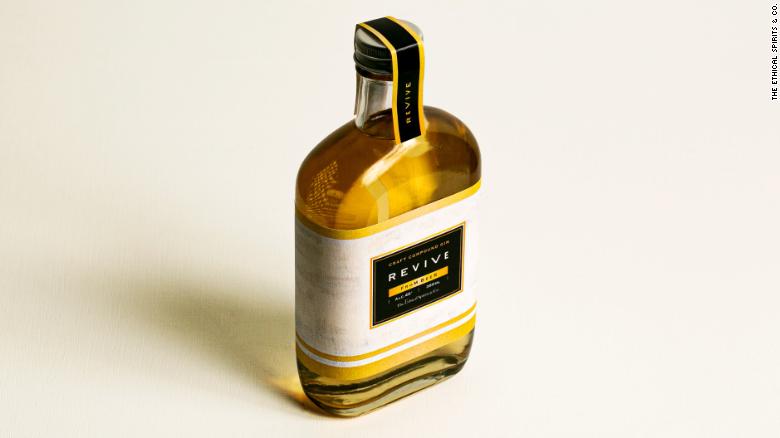
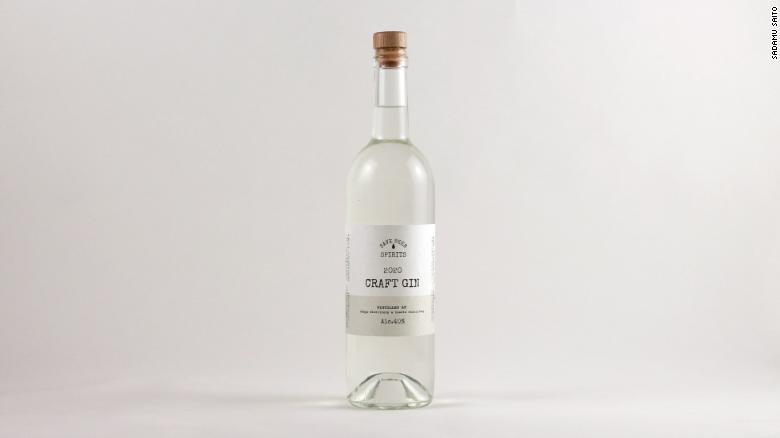
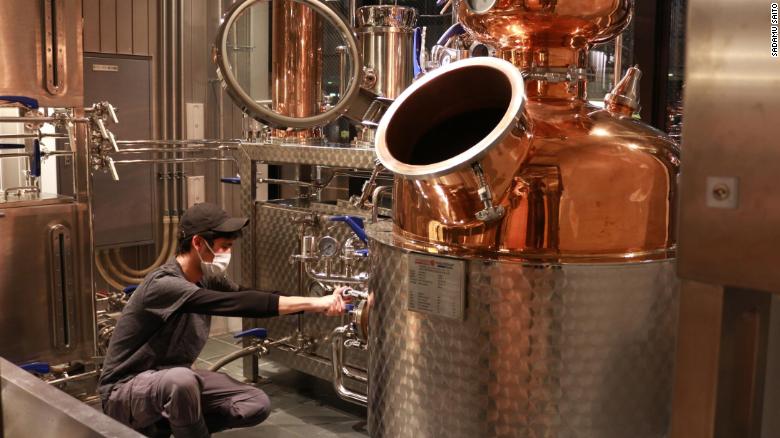
In April, Kiuchi Brewery launched the "Save Beer Spirits" campaign at its Tokyo distillery, offering local bars and breweries the chance to turn unused beer, a product with a four to six-month shelf life, into gin — a product without an expiration date.
In 1994, Japan relaxed its strict laws around microbrewing, sparking a boom in craft beer.
While overall beer sales in Japan have stagnated for the last decade, craft beer has been on the rise: its 0.5% share of the total beer market in 2007 had more than tripled by 2016.
Kiuchi Brewery — which began as a sake producer in 1823 — is one of many drinks producers that branched into craft beer when microbrewing laws changed. It has been making its signature Hitachino Nest craft beer for 24 years.
Yoneda says that turning beer into spirits isn't a new innovation. Kiuchi Brewery has been using beer to make plum wine liqueur for years, and has experimented with gin liqueurs in the past.
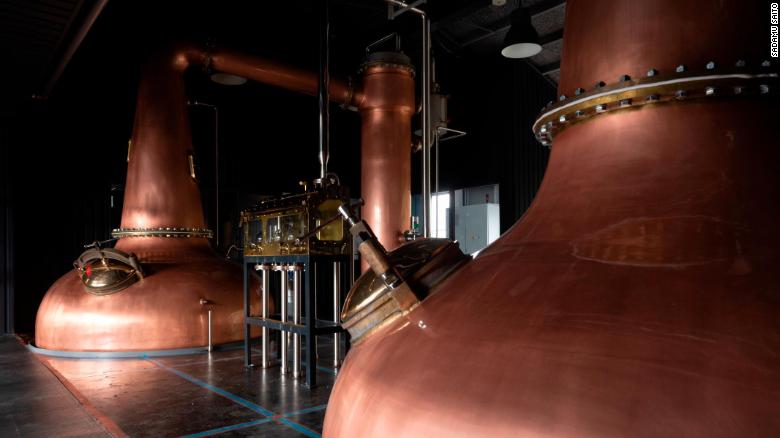
Most gins are made with a base of grains like barley, rye or wheat, which are fermented into a mash, then distilled into a high-proof "neutral" spirit. The spirit is then distilled a second time with juniper berries and other botanicals, which add flavor.

The beer replaces this neutral spirit, skipping the mash and fermentation process, and jumping straight to distillation.
Kiuchi Brewery asked participating bars to send in a minimum of 20 liters of unused beer, which would be sent back as gin, says Yoneda. Kiuchi can produce eight liters of gin from every 100 liters of beer. It then sends back the gin as a standard 750ml bottle of gin or as a sparkling gin cocktail, either in cans or in a keg for bars to use in their taps.
Yoneda says the beer base makes the gin bitter, but in addition to juniper berries, Kiuchi uses sansho peppers, lemons and mikan (Japanese oranges), which helps to "balance out the bitterness" with "citrusy notes."
The bars only have to shoulder the cost of delivery, with Kiuchi Brewery offering its distillation service free of charge. "In these troublesome times, it is our responsibility to offer this service to everyone," says Yoneda. "Most importantly, we want to keep the breweries and bar community alive."


Kiuchi isn't the only brewery using beer to make gin.
The Ethical Spirits & Co was founded in February 2020 to help sake distillers turn leftover sake lees into new spirits, says co-founder Chikara Ono. When the pandemic hit and beer sales plummeted, Ono says the company began exploring new recipes to make gin from beer.
In May, they received a donation of 20,000 liters of expiring Budweiser from drinks giant AB InBev, who had a surplus of stock due to a drop in beer sales. The startup used the beer to create 4,500 bottles of gin.
"We had a problem of excess inventory and Ethical Spirits had the knowledge and the right ethos to create a product that we mutually thought would be a positive impact," says Takahiro Shimada, head of marketing for AB InBev Japan, adding that the company wanted to support local businesses.
The Ethical Spirits & Co is still in the process of building its own distillery in Tokyo, scheduled to open in December, so they collaborated with Gekkeikan sake distillery to distil the Budweiser.
The beer-based gin initiatives are tapping into a rapidly emerging market.
Japan's first dedicated gin distillery opened just four years ago in Kyoto, but the gin market is already estimated to be worth $209 million and is anticipated to grow by 4.4% annually over the next three years.
Large drinks companies, including Japanese whisky giants Suntory and Nikka, have helped launch Japanese craft gin onto the international stage.
Drinking trends in Japan are pointing towards gin sodas and ready-to-drink canned cocktails, creating an opportunity for creative spirit producers to sustainably reuse surplus drink stock, says Ono.
"If you can essentially use unused or remaining ingredients to create something special and something premium, that's great. It follows with our vision of trying to achieve a sustainable, circular economy," says Ono.
But when Covid-19 took hold, the Olympics were postponed and the already struggling economy took a further battering.
With bars and restaurants suffering a significant reduction in business beer sales in Japan dropped 26% by volume for the first half of the year, according to Bloomberg.
That's a big problem for small beer breweries, says Isamu Yoneda, head distiller at artisanal drinks maker Kiuchi Brewery. With few customers in its brewpubs, and export orders canceled, Kiuchi Brewery was left with a stockpile of spoiling beer.
The company had to come up with a solution — and decided to turn the unsold beer into a different alcoholic beverage.
In April, Kiuchi Brewery launched the "Save Beer Spirits" campaign at its Tokyo distillery, offering local bars and breweries the chance to turn unused beer, a product with a four to six-month shelf life, into gin — a product without an expiration date.
A mission to save beer
In 1994, Japan relaxed its strict laws around microbrewing, sparking a boom in craft beer.
While overall beer sales in Japan have stagnated for the last decade, craft beer has been on the rise: its 0.5% share of the total beer market in 2007 had more than tripled by 2016.
Kiuchi Brewery — which began as a sake producer in 1823 — is one of many drinks producers that branched into craft beer when microbrewing laws changed. It has been making its signature Hitachino Nest craft beer for 24 years.
Yoneda says that turning beer into spirits isn't a new innovation. Kiuchi Brewery has been using beer to make plum wine liqueur for years, and has experimented with gin liqueurs in the past.
Most gins are made with a base of grains like barley, rye or wheat, which are fermented into a mash, then distilled into a high-proof "neutral" spirit. The spirit is then distilled a second time with juniper berries and other botanicals, which add flavor.
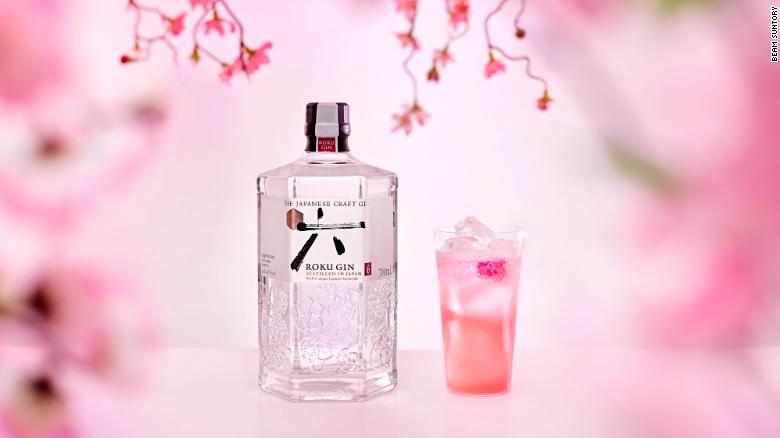
Kiuchi Brewery asked participating bars to send in a minimum of 20 liters of unused beer, which would be sent back as gin, says Yoneda. Kiuchi can produce eight liters of gin from every 100 liters of beer. It then sends back the gin as a standard 750ml bottle of gin or as a sparkling gin cocktail, either in cans or in a keg for bars to use in their taps.
Yoneda says the beer base makes the gin bitter, but in addition to juniper berries, Kiuchi uses sansho peppers, lemons and mikan (Japanese oranges), which helps to "balance out the bitterness" with "citrusy notes."
The bars only have to shoulder the cost of delivery, with Kiuchi Brewery offering its distillation service free of charge. "In these troublesome times, it is our responsibility to offer this service to everyone," says Yoneda. "Most importantly, we want to keep the breweries and bar community alive."
A sustainable spirit
Kiuchi isn't the only brewery using beer to make gin.
The Ethical Spirits & Co was founded in February 2020 to help sake distillers turn leftover sake lees into new spirits, says co-founder Chikara Ono. When the pandemic hit and beer sales plummeted, Ono says the company began exploring new recipes to make gin from beer.
In May, they received a donation of 20,000 liters of expiring Budweiser from drinks giant AB InBev, who had a surplus of stock due to a drop in beer sales. The startup used the beer to create 4,500 bottles of gin.
"We had a problem of excess inventory and Ethical Spirits had the knowledge and the right ethos to create a product that we mutually thought would be a positive impact," says Takahiro Shimada, head of marketing for AB InBev Japan, adding that the company wanted to support local businesses.
The Ethical Spirits & Co is still in the process of building its own distillery in Tokyo, scheduled to open in December, so they collaborated with Gekkeikan sake distillery to distil the Budweiser.
The beer-based gin initiatives are tapping into a rapidly emerging market.
Japan's first dedicated gin distillery opened just four years ago in Kyoto, but the gin market is already estimated to be worth $209 million and is anticipated to grow by 4.4% annually over the next three years.
Large drinks companies, including Japanese whisky giants Suntory and Nikka, have helped launch Japanese craft gin onto the international stage.
Drinking trends in Japan are pointing towards gin sodas and ready-to-drink canned cocktails, creating an opportunity for creative spirit producers to sustainably reuse surplus drink stock, says Ono.
"If you can essentially use unused or remaining ingredients to create something special and something premium, that's great. It follows with our vision of trying to achieve a sustainable, circular economy," says Ono.
- October 23, 2020
- Comment (9101)
- Trackback(1)
Comment(s) Write comment
As I examined the structure and page transitions more closely, I noticed that <a href="http://risehub.click/" />this page here</a> contributes to a simple experience – browsing felt smooth, and the site loaded clearly without any noticeable issues or delays.
-
Leonardtrora Web Site
- May 5, 2026
Users comparing websites typically look for fast loading times, logical structure, and a user-friendly interface that simplifies navigation and content discovery <a href="http://powercore.click/" />CoreFlow Digital Hub</a> – PowerCore offers a clean and powerful interface where structure is prioritized, making browsing feel straightforward, reliable, and easy to manage for all users.
-
Arthurneons Web Site
- May 5, 2026
While exploring online stores I found something that felt rustic and balanced with a modern interface and easy category navigation system <a href="https://twilightgrovegoods.shop/" />twilight grove browse hub</a> – Goods here feel thoughtfully chosen with appealing rustic style vibe, helping users move through pages without confusion.
-
PatrickFrins Web Site
- May 5, 2026
Shoppers who enjoy curated trend collections often choose platforms that highlight selected items while keeping the interface uncluttered and easy to use <a href="https://stylishtrendcenter.shop/" />Curated Trend Zone</a> – The zone focuses on carefully selected products displayed in an organized way that enhances usability
-
Davidexodo Web Site
- May 5, 2026
While casually exploring different posts, I noticed <a href="https://growyourbusinessfast.click/" />business growth insight</a> within the content – It introduced a fresh perspective that made improvement strategies feel more realistic and easier to apply.
-
SteveBup Web Site
- May 5, 2026
While moving through the interface and reviewing structure, I found that <a href="http://urbanvision.click/" />visit this resource</a> blends into the layout – the platform feels nice, and the content appears relevant and well presented overall.
-
Michaelamoug Web Site
- May 5, 2026
Web performance engineers often evaluate platforms that focus on minimizing delay while maintaining smooth interaction across multiple services and endpoints <a href="http://fastforwardmedia.click/" />Turbo Media Portal</a> widely referenced in optimization studies – It delivers accelerated content rendering and ensures that users experience minimal buffering or waiting during navigation
-
Henrylom Web Site
- May 5, 2026
People exploring online marketplaces often prefer systems that feel intuitive and efficient, particularly when they encounter <a href="https://urbanpetalstore.shop/" />functional ecommerce discovery portal</a> – The store is structured in a way that keeps navigation simple and direct, enabling users to browse categories easily while enjoying a smooth and uncomplicated shopping journey overall.
-
Briandox Web Site
- May 5, 2026
While navigating through content related to marketing and design, finding <a href="https://brandforge.click/" />learn branding tips</a> can be quite valuable – as it presents clear examples and innovative ideas that help users better understand and apply branding techniques effectively.
-
JosephCox Web Site
- May 5, 2026
Many digital audiences appreciate platforms that make exploration enjoyable through creative design while keeping navigation simple and efficient <a href="http://newgenius.click/" />NewGenius Experience Link</a> – NewGenius offers a creative and user-friendly experience where the platform is easy to use, making browsing smooth and enjoyable for all users.
-
RockyElary Web Site
- May 5, 2026
During my browsing session and usability check, I noticed that <a href="http://digitalnest.click/" />see more here</a> blends into a clear layout – good site overall, with navigation easy and pages loading without issues.
-
Jessenebra Web Site
- May 5, 2026
During my usual browsing routine, I encountered <a href="https://blossombaycollective.shop/" />check this store</a> and it immediately felt easy and organized – The experience is really pleasant overall, with everything looking neat, clean, and thoughtfully arranged for simple navigation.
-
RandyHat Web Site
- May 5, 2026
When searching for inspiration to improve daily habits, many users discover valuable insights through sources like <a href="https://unlockyourpotentialtoday.click/" />growth-spark-site</a> – that promote steady improvement, encouraging individuals to focus on incremental progress rather than instant results in their personal growth journey.
-
Rogercroge Web Site
- May 5, 2026
I had been exploring various websites for a while when I came across <a href="https://trendydealstation.shop/" />browse this link</a> – The experience feels stable, with clear sections and pages that load without problems, enhancing usability.
-
Elvinfuh Web Site
- May 5, 2026
Trackback (You need to login.)
https://cbgvwuh.christliche-beratung-hommel.de
- beutelglueck
- October 7, 2023
AnthonyKib Web Site- May 5, 2026