
Loading

Search
▼ Japan Boosts Pay, Job Security For Lowly Paid Embassy Chefs
- Category:Gourmet
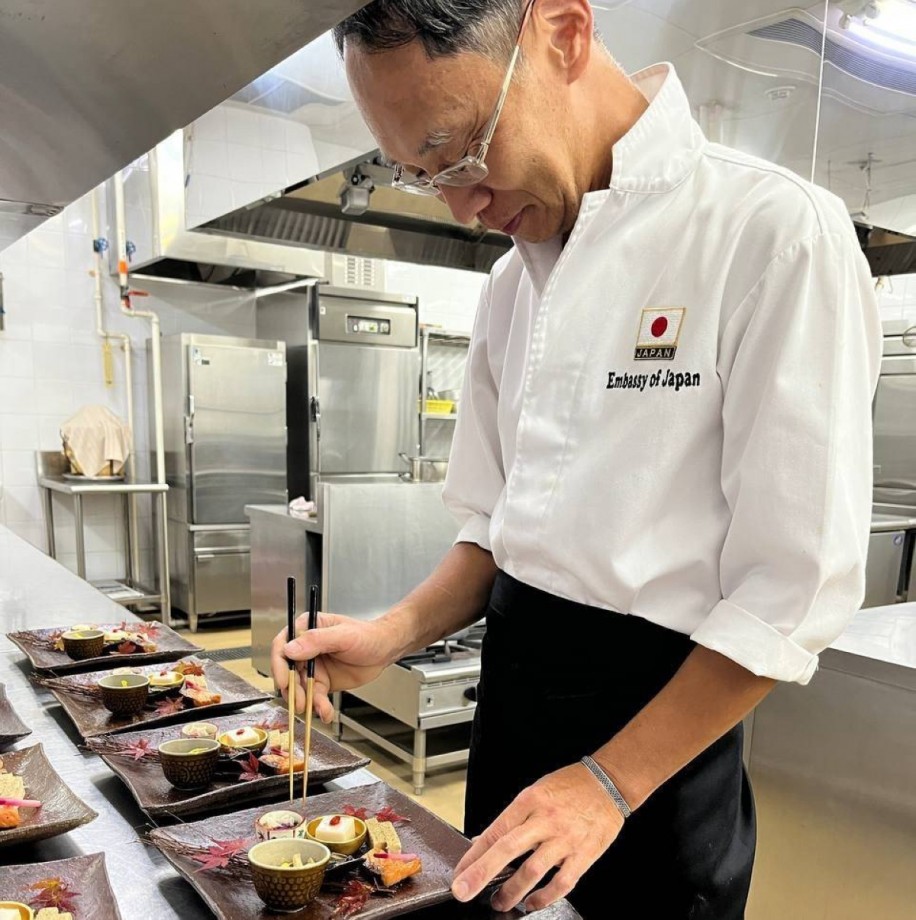
Japan is turning up the heat on its “gastrodiplomacy” by making embassy chefs’ posts more attractive and better paid.
After years of chronic shortages in the kitchens of its embassies and consulates, the Foreign Ministry has rolled out a sweeping overhaul to attract and retain the chefs who serve as the country’s “culinary diplomats.”
The reform raises pay, formalizes contracts, and is intended to keep Japanese cuisine firmly on the global diplomatic menu.
By offering annual compensation of at least 6 million yen ($39,000)—along with greater professional stability and autonomy—Tokyo hopes to ensure that the "washoku" Japanese cuisine served at key diplomatic banquets is prepared by well-qualified professionals.
The ministry launched the new system in January, significantly improving working conditions for chefs employed at official residences and other overseas missions. Low pay and uncertain work terms had long deterred applicants, leaving many posts understaffed.
By upgrading compensation and standardizing employment conditions, the ministry aims to secure the talent it needs to deploy Japanese cuisine more effectively as a diplomatic tool.
Until now, “official residence chefs” at Japan’s more than 200 overseas diplomatic missions—including embassies and consulates-general—typically worked under private contracts with ambassadors or consuls general.
They prepare Japanese and other cuisines for VIP dinners and receptions, promoting Japanese culture through food.
But as the global popularity of Japanese cuisine has lifted pay and conditions in the private sector, the relatively modest compensation at diplomatic posts—averaging about 4.5 million yen a year—became a liability.
The jobs grew less competitive, shortages persisted, and as of May last year, more than a dozen missions had no chef on staff.
Under the former arrangement, compensation was financed roughly one-third from heads of mission’s personal funds and about two-thirds from public subsidies.
Employment terms also tended to mirror the ambassador’s or consul general’s own assignment, with no predetermined tenure—making it difficult for chefs to plan a career.
The ministry has now revamped the program and will rename “official residence chefs” as “overseas mission chefs.” Contracts will shift from private agreements with ambassadors and other heads of mission to official contracts with the overseas missions themselves.
Annual compensation will be set at 6 million yen or more, and the term will be standardized at two years, with annual renewals possible. Previously, chefs were generally required to live in at the official residence; under the new rules, they will be allowed to live in privately rented housing.
In its budget request for the next fiscal year, which starts in April, the ministry earmarked 2.53 billion yen for the program—about 1 billion yen more than the previous year.
Ahead of the rollout, the ministry began recruitment in July last year and drew more than three times as many applications as the roughly 50 available slots.
A ministry official acknowledged “a sense of crisis” surrounding the diplomatic chef system, but said the reforms should “gradually ease the staffing shortfall.”
- February 17, 2026
- Comment (0)
- Trackback(0)