
Loading

Search
▼ https://japannews.yomiuri.co.jp/society/general-news/20260428-324654/
- Category:Other
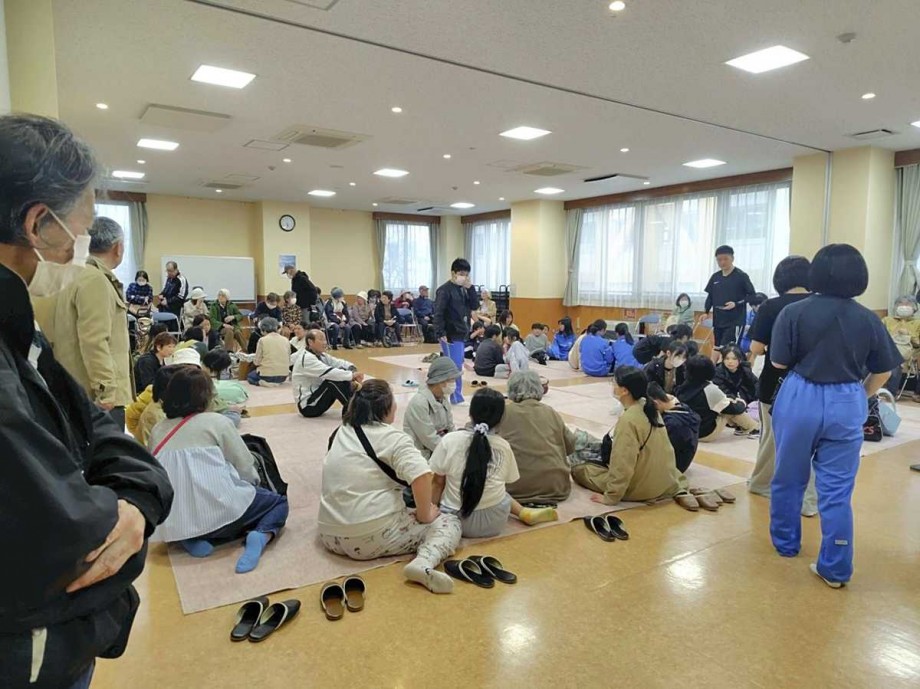
Nearly 40% of municipalities subject to a subsequent earthquake advisory for Hokkaido and the Sanriku coast region, which was issued following a powerful earthquake on April 20, had yet to formulate response plans outlining procedures to be taken after such an advisory, according to a Cabinet Office survey.
The survey targeting 182 cities, towns and villages in seven prefectures was conducted in October, and its results were compiled in March. It found that 69 municipalities, or 38% of those surveyed, had no plans in place regarding their response to the issuance of a subsequent earthquake advisory.
The survey findings have raised concern over possible delays in the municipalities’ initial response to a subsequent earthquake, such as disseminating information to residents. The Cabinet Office has urged municipalities to formulate their plans as soon as possible.
The subsequent earthquake advisory system was launched in 2022. The Japan Meteorological Agency issued this advisory for the first time after a powerful earthquake struck off the eastern coast of Aomori Prefecture in December last year. The advisory issued after the earthquake off the Sanriku coast on April 20 was the second of its kind.
According to a tally by The Yomiuri Shimbun, evacuation orders were temporarily issued for 46 municipalities in five prefectures following the April 20 earthquake, and more than 11,000 people took shelter in evacuation centers and other locations.
According to the Fire and Disaster Management Agency of the Internal Affairs and Communications Ministry, two people were seriously injured and eight others sustained minor injuries in Hokkaido and the prefectures of Aomori and Iwate.
After a subsequent earthquake advisory is issued, local governments must promptly provide information to residents, tourists and other people and urge them to prepare for subsequent earthquakes such as by securing furniture and confirming evacuation routes.
Under the relevant law, local governments are required to make efforts to specify response procedures in their disaster preparedness plans, which outline detailed steps to be taken in the event of a major earthquake such as setting up evacuation shelters.
In another survey conducted to assess responses to the advisory issued in December, 89% of municipalities that had already formulated response plans said their response was “generally smooth,” while 79% of those without such plans gave that answer.
The municipality of Imabetsu, Aomori Prefecture, is among the municipalities that have not devised a response plan. “We have only one staff member in charge of this matter, but as the advisory has already been issued twice, we need to prepare it quickly,” said a person in the municipality’s general affairs and planning division.
The municipality of Tomakomai, Hokkaido, formulated its response plan in March after the Cabinet Office’s surveys. Through discussions when creating the plan, the municipality said its staff had developed a deeper understanding of potential scenarios, leading them to give residents specific advice this time, such as securing furniture and checking emergency supplies.
“Since an advisory is issued suddenly, local governments need to prepare plans and conduct drills repeatedly,” said Tsukasa Morikubo, a director at the Cabinet Office.
The survey targeting 182 cities, towns and villages in seven prefectures was conducted in October, and its results were compiled in March. It found that 69 municipalities, or 38% of those surveyed, had no plans in place regarding their response to the issuance of a subsequent earthquake advisory.
The survey findings have raised concern over possible delays in the municipalities’ initial response to a subsequent earthquake, such as disseminating information to residents. The Cabinet Office has urged municipalities to formulate their plans as soon as possible.
The subsequent earthquake advisory system was launched in 2022. The Japan Meteorological Agency issued this advisory for the first time after a powerful earthquake struck off the eastern coast of Aomori Prefecture in December last year. The advisory issued after the earthquake off the Sanriku coast on April 20 was the second of its kind.
According to a tally by The Yomiuri Shimbun, evacuation orders were temporarily issued for 46 municipalities in five prefectures following the April 20 earthquake, and more than 11,000 people took shelter in evacuation centers and other locations.
According to the Fire and Disaster Management Agency of the Internal Affairs and Communications Ministry, two people were seriously injured and eight others sustained minor injuries in Hokkaido and the prefectures of Aomori and Iwate.
After a subsequent earthquake advisory is issued, local governments must promptly provide information to residents, tourists and other people and urge them to prepare for subsequent earthquakes such as by securing furniture and confirming evacuation routes.
Under the relevant law, local governments are required to make efforts to specify response procedures in their disaster preparedness plans, which outline detailed steps to be taken in the event of a major earthquake such as setting up evacuation shelters.
In another survey conducted to assess responses to the advisory issued in December, 89% of municipalities that had already formulated response plans said their response was “generally smooth,” while 79% of those without such plans gave that answer.
The municipality of Imabetsu, Aomori Prefecture, is among the municipalities that have not devised a response plan. “We have only one staff member in charge of this matter, but as the advisory has already been issued twice, we need to prepare it quickly,” said a person in the municipality’s general affairs and planning division.
The municipality of Tomakomai, Hokkaido, formulated its response plan in March after the Cabinet Office’s surveys. Through discussions when creating the plan, the municipality said its staff had developed a deeper understanding of potential scenarios, leading them to give residents specific advice this time, such as securing furniture and checking emergency supplies.
“Since an advisory is issued suddenly, local governments need to prepare plans and conduct drills repeatedly,” said Tsukasa Morikubo, a director at the Cabinet Office.
- April 28, 2026
- Comment (0)
- Trackback(0)