
Loading

Search
▼ Rice Policy Rekindled Ahead Of Japan Election As PM Takaichi Shifts Course
- Category:Gourmet
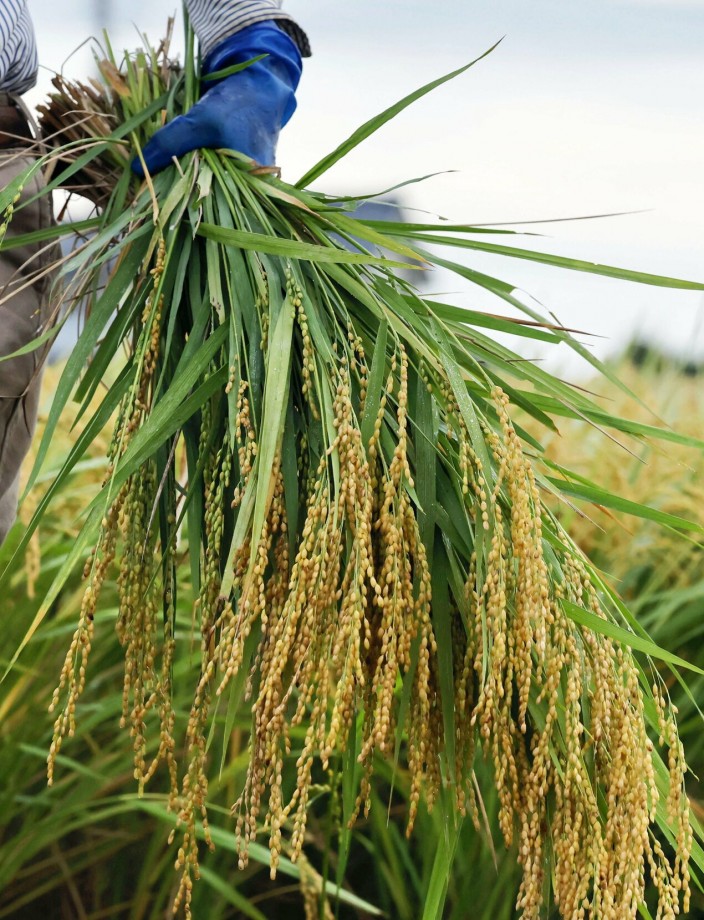
Japan's Feb. 8 general election has put rice policy back in the spotlight after Prime Minister Sanae Takaichi reversed a push toward expanded production and exports, returning to a demand-based output strategy as prices remain high, putting a strain on consumers.
Retail rice prices are hovering above 4,000 yen ($26) per 5 kilograms on average nationwide. In recent years, the surge has been so sharp that it has been dubbed the "Reiwa rice crisis," referring to Japan's current imperial era.
The administration of former Prime Minister Shigeru Ishiba -- Takaichi's predecessor -- sought to counter rising prices by releasing government-stockpiled rice. Prices temporarily fell to the mid-3,000 yen range per 5 kg, but the decline was short-lived.
Ishiba had proposed an end to de facto production controls designed to support farmers by limiting rice output and shifting policy toward higher volumes and greater exports, but the Takaichi administration scrapped the plan.
A senior executive at a major rice wholesaler voiced frustration with Takaichi's government, saying it focuses too much on keeping prices high. Even accounting for rising production costs, rice prices remain at what he called "abnormally high" levels.
However, some officials at the farm ministry, along with agricultural groups, have pushed back, arguing it would be irresponsible to raise output without securing buyers, even though increased rice production could help lower prices.
Takaichi's Liberal Democratic Party has pledged to pursue output and sales aligned with demand. To prevent a repeat of rice price spikes, the LDP said it would closely monitor distribution and seek market conditions acceptable to producers and consumers.
The Japan Innovation Party, which has been in a coalition with the LDP since Takaichi took office in October, has advocated expanding production, consumption and exports, while promoting the consolidation of farmland.
The main opposition Centrist Reform Alliance, formed in January ahead of the House of Representatives election, said it would fundamentally review rice policy, shifting away from simple production cuts or output expansion to ensure a stable supply.
The center-left party, which has challenged Takaichi's conservative stance on domestic policies, said it would provide direct payments to support farmers in the event of an oversupply that could lead to steep price drops.
The Democratic Party for the People unveiled a plan to provide payments based on rice farmland acreage to promote business stability in the farming sector. The party has also promised to implement effective measures to increase disposable income.
Other minor left-leaning parties have urged the government to stabilize supply, demand and prices, calling for guaranteed pricing of agricultural products and income compensation for farmers.
A small conservative party said it aims to make Japan 100 percent self-sufficient in food and increase rice production.
- February 1, 2026
- Comment (0)
- Trackback(0)