
Loading

Search
▼ Persistent Bear Activity In Japan Leads To Outdoor Event Cancellations
- Category:Event
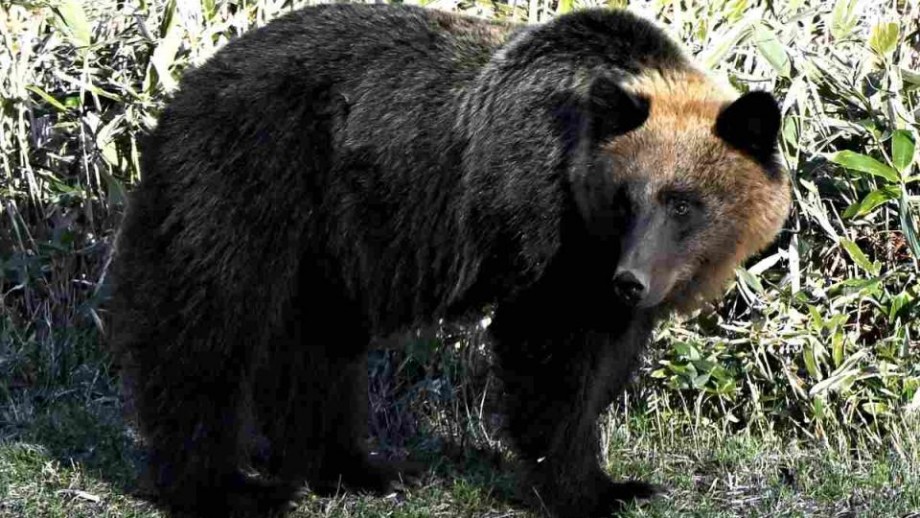
Bears have remained active near populated areas in greater-than-usual numbers despite the start of the hibernation season, prompting experts to call for ongoing vigilance.
Outdoor events are being called off in response to persistent bear activity in parts of the country.
Bears have remained active near populated areas in greater-than-usual numbers despite the start of the hibernation season, prompting experts to call for ongoing vigilance.
The Kofu tourism association, for instance, called off the 15th Takeda no Mori Trail Running Race, which was set to take place on Dec. 14.
About 900 runners were expected to take part in the race, which loops through the satoyama foothills of Kofu, offering views of Mt. Fuji and the Southern Japanese Alps.
“It was a difficult decision, but we prioritized the safety of the participants and staff,” said an official of the association.
Moreover, an environmental learning session in Nagatoro, Saitama Prefecture, was suspended on Saturday. The event had been planned to give elementary and junior high school students the experience of log-cutting and other outdoor activities.
In mid-November, Aquarium Asamushi in Aomori suspended its nighttime operations, during which bear activity is typically heightened.
Bears usually hibernate deep in the mountains in large numbers during the current season.
However, according to the Institute for Asian Black Bear Research and Preservation in Hiroshima Prefecture, there is a notable trend in recent years of young bears venturing into the vicinity of urban areas in search of food.
They end up remaining there and hibernating on shrine grounds or in parks after the New Year.
“They could appear near populated areas as late as early January next year, making it essential to remain vigilent,” said Kazuhiko Maita, who heads the institute. “Even if they begin to hibernate, noise and other disturbances could wake them up.”
Outdoor events are being called off in response to persistent bear activity in parts of the country.
Bears have remained active near populated areas in greater-than-usual numbers despite the start of the hibernation season, prompting experts to call for ongoing vigilance.
The Kofu tourism association, for instance, called off the 15th Takeda no Mori Trail Running Race, which was set to take place on Dec. 14.
About 900 runners were expected to take part in the race, which loops through the satoyama foothills of Kofu, offering views of Mt. Fuji and the Southern Japanese Alps.
“It was a difficult decision, but we prioritized the safety of the participants and staff,” said an official of the association.
Moreover, an environmental learning session in Nagatoro, Saitama Prefecture, was suspended on Saturday. The event had been planned to give elementary and junior high school students the experience of log-cutting and other outdoor activities.
In mid-November, Aquarium Asamushi in Aomori suspended its nighttime operations, during which bear activity is typically heightened.
Bears usually hibernate deep in the mountains in large numbers during the current season.
However, according to the Institute for Asian Black Bear Research and Preservation in Hiroshima Prefecture, there is a notable trend in recent years of young bears venturing into the vicinity of urban areas in search of food.
They end up remaining there and hibernating on shrine grounds or in parks after the New Year.
“They could appear near populated areas as late as early January next year, making it essential to remain vigilent,” said Kazuhiko Maita, who heads the institute. “Even if they begin to hibernate, noise and other disturbances could wake them up.”
- December 3, 2025
- Comment (0)
- Trackback(0)