
Loading

Search
▼ Akira Iriye, Leading Historian Of Japan-U.S. Relations, Dies
- Category:Other
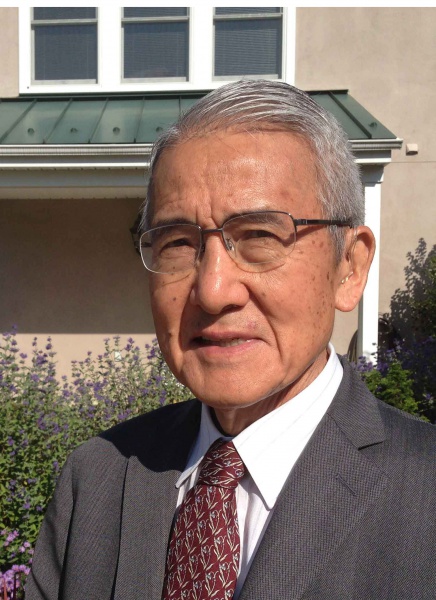
Akira Iriye, a Harvard University professor emeritus and a leading scholar on the history of international relations, died on Jan. 27. He was 91.
After earning his doctorate from Harvard in 1961, Iriye began a distinguished academic career in the United States, holding professorships at the University of Chicago and Harvard, among other institutions.
He became a towering figure in his field, serving as president of the Society for Historians of American Foreign Relations in 1978. In 1988, he became the first Japanese person elected president of the American Historical Association.
He was also a member of the American Academy of Arts and Sciences.
Iriye authored numerous influential books and papers in both English and Japanese, including: “Across the Pacific: An Inner History of American-East Asian Relations”; “Power and Culture: The Japanese American War, 1941–1945”; “After Imperialism: The search for a New Order in the Far East, 1921-1931”; and “Global Community: The Role of International Organizations in the Making of the Contemporary World.”
His life’s work offered a unique perspective on international history by focusing on the influence of imagery, culture and ideas.
With a core belief that “cultural exchange is the foundation of peace,” he consistently advocated a view of history from a transnational perspective rather than a nation-centric one.
SHAPED BY WAR
Born in Tokyo in 1934, Iriye was a 10-year-old self-described “militarist boy” when Japan surrendered in World War II on Aug. 15, 1945.
His diary entry from Aug. 28 that year read: “Today is the day the Allied forces move in, and American planes are flying by, roaring at a terribly low altitude. It is frustrating, but there is nothing to be done. The only thing to do is study.”
His father, Keishiro Irie, a journalist and international law scholar, taught him that “we lost the war because we didn’t know the world.”
Deeply valuing the opportunity to learn, Iriye traveled to the United States in 1953 on a Grew Foundation scholarship to study at Haverford College in Pennsylvania.
He recalled meeting “a wonderful history teacher and friends who could be called lifelong companions” there.
This positive exposure to American society during his youth profoundly shaped his research.
In his book “Rekishi wo Manabu Toiukoto” (What it Means to Learn History), he wrote that his election as head of the American Historical Association “showed the openness and generosity of the academic community in the United States.”
In an interview with The Asahi Shimbun in February 2025, Iriye repeatedly said, “Our generation was truly lucky.”
However, he expressed concern that the United States under the second Trump administration had “become self-centered.”
Iriye stressed that “intellectual and human exchange will become increasingly important” for the world’s future.
After earning his doctorate from Harvard in 1961, Iriye began a distinguished academic career in the United States, holding professorships at the University of Chicago and Harvard, among other institutions.
He became a towering figure in his field, serving as president of the Society for Historians of American Foreign Relations in 1978. In 1988, he became the first Japanese person elected president of the American Historical Association.
He was also a member of the American Academy of Arts and Sciences.
Iriye authored numerous influential books and papers in both English and Japanese, including: “Across the Pacific: An Inner History of American-East Asian Relations”; “Power and Culture: The Japanese American War, 1941–1945”; “After Imperialism: The search for a New Order in the Far East, 1921-1931”; and “Global Community: The Role of International Organizations in the Making of the Contemporary World.”
His life’s work offered a unique perspective on international history by focusing on the influence of imagery, culture and ideas.
With a core belief that “cultural exchange is the foundation of peace,” he consistently advocated a view of history from a transnational perspective rather than a nation-centric one.
SHAPED BY WAR
Born in Tokyo in 1934, Iriye was a 10-year-old self-described “militarist boy” when Japan surrendered in World War II on Aug. 15, 1945.
His diary entry from Aug. 28 that year read: “Today is the day the Allied forces move in, and American planes are flying by, roaring at a terribly low altitude. It is frustrating, but there is nothing to be done. The only thing to do is study.”
His father, Keishiro Irie, a journalist and international law scholar, taught him that “we lost the war because we didn’t know the world.”
Deeply valuing the opportunity to learn, Iriye traveled to the United States in 1953 on a Grew Foundation scholarship to study at Haverford College in Pennsylvania.
He recalled meeting “a wonderful history teacher and friends who could be called lifelong companions” there.
This positive exposure to American society during his youth profoundly shaped his research.
In his book “Rekishi wo Manabu Toiukoto” (What it Means to Learn History), he wrote that his election as head of the American Historical Association “showed the openness and generosity of the academic community in the United States.”
In an interview with The Asahi Shimbun in February 2025, Iriye repeatedly said, “Our generation was truly lucky.”
However, he expressed concern that the United States under the second Trump administration had “become self-centered.”
Iriye stressed that “intellectual and human exchange will become increasingly important” for the world’s future.
- January 29, 2026
- Comment (0)
- Trackback(0)