
Loading

Search
▼ Japan Visa Fee Cap To Surge More Than Tenfold Under New Immigration Bill
- Category:Other
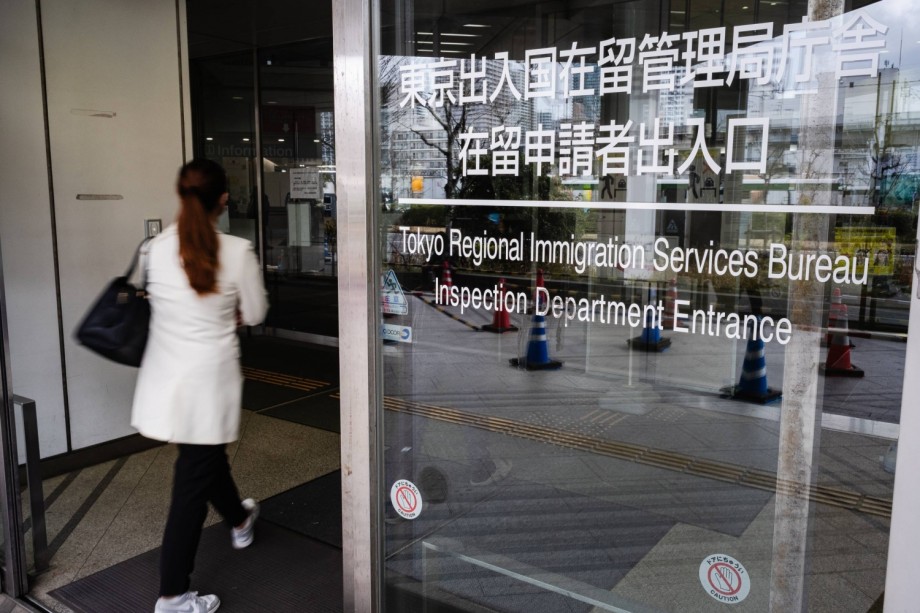
Japan is planning to sharply raise the legal cap on immigration-related residence fees for foreign nationals — the biggest revision of its kind in more than four decades.
The Cabinet on Tuesday approved a bill to amend immigration law to hike the statutory upper limit for fees to change the status of residence or extend the period of stay to ¥100,000 from ¥10,000, while raising the ceiling for permanent residence applications to ¥300,000, 30 times the current ¥10,000.
The proposed increase marks the first major revision to the statutory ceiling since 1982. While fees had been raised several times within that ceiling, this will be the first increase to the cap, itself.
On April 1 of last year, the fee for the change of status and extension of stay rose from ¥4,000 to ¥6,000, and the permanent residence fee rose from ¥8,000 to ¥10,000.
Agency officials have declined to offer specific figures under the new ceiling but said factors such as period of stay will be considered in deciding fees.
At a briefing Monday, an Immigration Services Agency official told reporters that the government had, so far, managed within the existing cap by calculating fees largely on the basis of administrative costs such as personnel expenses tied to residence examinations.
But with the number of foreign residents surging, even those costs have become harder to cover within the current ceiling. Japan’s foreign resident population stood at a record 4.13 million as of the end of 2025, officials disclosed during the briefing.
The immigration official said the government is factoring in not only administrative costs for residence examinations, but also broader expenses tied to immigration and residence management, including digitalization, My Number-linked data-sharing and services aimed at helping foreign nationals live in Japan.
The agency said the new framework would also allow fee reductions or exemptions for people requiring special humanitarian consideration who cannot pay because of severe economic hardship, such as trafficking victims or others unable to return home.
When asked how the new fees were being calculated, the official said the government was broadly working from the cost of foreign-resident-related measures on a per-foreign-resident basis, while also factoring in periods of stay and fee levels in other countries.
The government is aiming to implement the fee provisions sometime before the end of the next fiscal year on March 31, 2027.
At a news conference Tuesday morning, Justice Minister Hiroshi Hiraguchi said the measures are intended to ensure that foreign nationals “bear an appropriate amount of the costs” related to their arrival and residency.
“This will help promote an orderly coexistence with foreign nationals,” he told reporters.
The bill also includes plans to introduce Japan’s version of an electronic travel authorization system, known as JESTA, by March 31, 2029.
The system would require visa-exempt short-term visitors, certain cruise passengers and some transit passengers to obtain advance authorization before traveling to Japan.
The agency said the measure is aimed at preventing overstayers and other problematic entrants from reaching Japan in the first place, while also easing congestion at airports and ports.
Of the roughly 38.05 million short-term foreign arrivals to Japan in 2025, approximately 80% were visa-exempt travelers, according to the agency.
Under the new system, airlines and ship operators would be required to send passenger information in advance and would be barred from allowing travelers to board for Japan if authorities determine they should not be permitted entry.
The agency also plans to introduce walk-through gates at major airports so travelers who have received authorization and satisfy landing requirements can complete immigration procedures more smoothly.
- March 11, 2026
- Comment (0)
- Trackback(0)