
Loading

Search
▼ CDP And Komeito Agree To Form New Centrist Party
- Category:Event
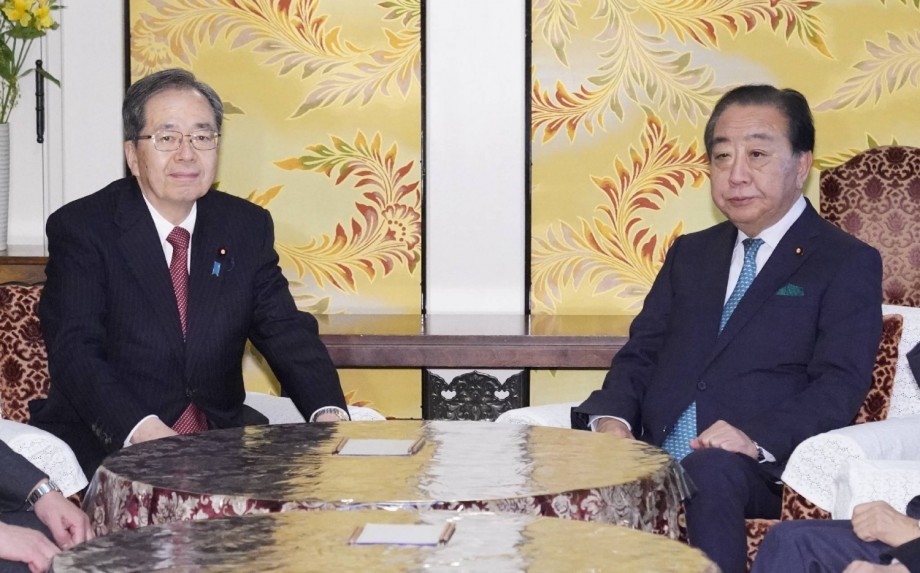
The opposition Constitutional Democratic Party of Japan (CDP) and Komeito have agreed to form a new centrist party ahead of a likely February snap election, in a stunning development that would remodel Japan’s political landscape.
“This represents a crucial step for Japan to develop its economy while securing peace and ensuring its long-term survival,” Komeito leader Tetsuo Saito told reporters on Thursday afternoon after meeting with CDP leader Yoshihiko Noda.
The new centrist force, unthinkable only three months ago, is expected to counter the conservative ruling coalition of the Liberal Democratic Party and Japan Innovation Party (JIP).
“It’s an opportunity to position centrist forces, which were previously divided into ruling and opposition parties, at the very heart of politics,” Noda said. “It’s a major turning point for Japan.”
The parties will now aim to fine-tune electoral coordination and draft a manifesto for snap polls expected on either Feb. 8 or 15. Their respective policy chiefs are slated to outline their policy proposals on Monday.
The party name is still under discussion, though reports have suggested it will be along the lines of “Centrist Reform Party.” For the moment, Saito and Noda will serve as co-leaders, until a new leadership line-up is decided.
Komeito and the CDP will remain as separate parties in the Upper House and local assemblies across the country, as the party faces an imminent Lower House election.
CDP and Komeito Lower House lawmakers will leave their respective parties, join the new party and run under the same flag. Upper House lawmakers will follow suit as soon as possible.
The new party will reach out to the Democratic Party for the People (DPP) as well as centrist lawmakers within the ruling LDP. DPP leader Yuichiro Tamaki criticized the move, saying his party won’t join the new initiative.
Asked about the new party’s future ties with the LDP, Komeito’s former coalition partner, Saito left room for cooperation at a local level, adding that, in districts where the new party doesn’t field any candidates, Komeito will make ad hoc adjustments based on the individual candidate.
“We have no intention of forming a party to confront the LDP head-on,” Saito said. “Within the LDP, there are many who share our perspective of centrist reform.”
In the upcoming election, Komeito won’t field any candidates in single-seat constituencies. Four of Komeito’s lawmakers in the Lower House were elected in single-seat districts.
The new party will present a unified list of candidates for proportional representation, which is expected to include the four Komeito Lower House lawmakers currently elected in single seat districts. No further details were provided on the potential order of candidates.
Electoral coordination is on top of the agenda of discussions between the two parties, which, until four months ago, sat on opposite sides of the aisle.
“We can’t afford to take too much time,” said a Komeito lawmaker Thursday afternoon, adding the details of electoral coordination in single-seat constituencies remain unclear.
As for policy, Saito said on Thursday that Komeito’s five pillars announced in November — a social security system for working generations, an inclusive society, doubling per capita gross domestic product, a realist diplomatic and security policy, and political reform — will constitute the backbone of the new party’s platform.
The two parties still have policy differences, such as on security and nuclear energy. The CDP has long opposed the security legislation passed under the LDP-Komeito government in 2015 — even though the party has recently shown a willingness to formally review its stance.
“We’ll address these matters while ensuring consistency with Komeito’s stances,” Noda said Thursday.
The CDP and Komeito currently have a total of 172 seats in the Lower House, while the LDP-JIP bloc has 233.
Since Komeito’s surprise departure from the LDP-led ruling coalition last October, the CDP has been wooing the party on the grounds of an affinity in their political stances.
Until the last few days, though, Komeito had kept a more ambiguous position that potentially left the door open for electoral cooperation with the LDP.
In an interview with The Japan Times in December, Komeito leader Saito reiterated that his party would keep a distance from both opposition and ruling parties.
However, Prime Minister Sanae Takaichi’s decision to go all in on a snap election only three months into her taking office and before building any track record has prompted a change in tack.
Komeito, supported by the lay Buddhist group Soka Gakkai, has long struggled with declining fortunes. Without the LDP’s support, the party needed to rethink its electoral strategy both in single-seat constituencies and proportional representation.
The CDP, meanwhile, is dealing with its own issues, such as internal disagreements over key policies and floundering poll numbers.
The emergence of the new force would mark the end of an era for Komeito, one of Japan’s oldest parties. Founded in 1964, Komeito wielded influence over Japanese politics during its 26-year stint as part of the ruling LDP-led government.
It’s not the first time Komeito has decided to join hands with an opposition party. For three years — from 1994 to 1997 — the party was part of the New Frontier Party together with several small opposition parties.
The CDP, founded in 2020, is the result of a series of mergers and splits within the opposition since 2012, after the government led by the Democratic Party of Japan — to which many of the CDP’s members belonged — lost power.
Divergences over security and energy policy have long been a source of friction within the opposition camp.
In 2017, right after former Prime Minister Shinzo Abe announced a snap election, the then-Democratic Party merged with Kibo no To with the explicit goal of countering the LDP.
The party stumbled soon after due to irreconcilable differences on security policy, and failed to meet initial expectations in the subsequent vote.
“This represents a crucial step for Japan to develop its economy while securing peace and ensuring its long-term survival,” Komeito leader Tetsuo Saito told reporters on Thursday afternoon after meeting with CDP leader Yoshihiko Noda.
The new centrist force, unthinkable only three months ago, is expected to counter the conservative ruling coalition of the Liberal Democratic Party and Japan Innovation Party (JIP).
“It’s an opportunity to position centrist forces, which were previously divided into ruling and opposition parties, at the very heart of politics,” Noda said. “It’s a major turning point for Japan.”
The parties will now aim to fine-tune electoral coordination and draft a manifesto for snap polls expected on either Feb. 8 or 15. Their respective policy chiefs are slated to outline their policy proposals on Monday.
The party name is still under discussion, though reports have suggested it will be along the lines of “Centrist Reform Party.” For the moment, Saito and Noda will serve as co-leaders, until a new leadership line-up is decided.
Komeito and the CDP will remain as separate parties in the Upper House and local assemblies across the country, as the party faces an imminent Lower House election.
CDP and Komeito Lower House lawmakers will leave their respective parties, join the new party and run under the same flag. Upper House lawmakers will follow suit as soon as possible.
The new party will reach out to the Democratic Party for the People (DPP) as well as centrist lawmakers within the ruling LDP. DPP leader Yuichiro Tamaki criticized the move, saying his party won’t join the new initiative.
Asked about the new party’s future ties with the LDP, Komeito’s former coalition partner, Saito left room for cooperation at a local level, adding that, in districts where the new party doesn’t field any candidates, Komeito will make ad hoc adjustments based on the individual candidate.
“We have no intention of forming a party to confront the LDP head-on,” Saito said. “Within the LDP, there are many who share our perspective of centrist reform.”
In the upcoming election, Komeito won’t field any candidates in single-seat constituencies. Four of Komeito’s lawmakers in the Lower House were elected in single-seat districts.
The new party will present a unified list of candidates for proportional representation, which is expected to include the four Komeito Lower House lawmakers currently elected in single seat districts. No further details were provided on the potential order of candidates.
Electoral coordination is on top of the agenda of discussions between the two parties, which, until four months ago, sat on opposite sides of the aisle.
“We can’t afford to take too much time,” said a Komeito lawmaker Thursday afternoon, adding the details of electoral coordination in single-seat constituencies remain unclear.
As for policy, Saito said on Thursday that Komeito’s five pillars announced in November — a social security system for working generations, an inclusive society, doubling per capita gross domestic product, a realist diplomatic and security policy, and political reform — will constitute the backbone of the new party’s platform.
The two parties still have policy differences, such as on security and nuclear energy. The CDP has long opposed the security legislation passed under the LDP-Komeito government in 2015 — even though the party has recently shown a willingness to formally review its stance.
“We’ll address these matters while ensuring consistency with Komeito’s stances,” Noda said Thursday.
The CDP and Komeito currently have a total of 172 seats in the Lower House, while the LDP-JIP bloc has 233.
Since Komeito’s surprise departure from the LDP-led ruling coalition last October, the CDP has been wooing the party on the grounds of an affinity in their political stances.
Until the last few days, though, Komeito had kept a more ambiguous position that potentially left the door open for electoral cooperation with the LDP.
In an interview with The Japan Times in December, Komeito leader Saito reiterated that his party would keep a distance from both opposition and ruling parties.
However, Prime Minister Sanae Takaichi’s decision to go all in on a snap election only three months into her taking office and before building any track record has prompted a change in tack.
Komeito, supported by the lay Buddhist group Soka Gakkai, has long struggled with declining fortunes. Without the LDP’s support, the party needed to rethink its electoral strategy both in single-seat constituencies and proportional representation.
The CDP, meanwhile, is dealing with its own issues, such as internal disagreements over key policies and floundering poll numbers.
The emergence of the new force would mark the end of an era for Komeito, one of Japan’s oldest parties. Founded in 1964, Komeito wielded influence over Japanese politics during its 26-year stint as part of the ruling LDP-led government.
It’s not the first time Komeito has decided to join hands with an opposition party. For three years — from 1994 to 1997 — the party was part of the New Frontier Party together with several small opposition parties.
The CDP, founded in 2020, is the result of a series of mergers and splits within the opposition since 2012, after the government led by the Democratic Party of Japan — to which many of the CDP’s members belonged — lost power.
Divergences over security and energy policy have long been a source of friction within the opposition camp.
In 2017, right after former Prime Minister Shinzo Abe announced a snap election, the then-Democratic Party merged with Kibo no To with the explicit goal of countering the LDP.
The party stumbled soon after due to irreconcilable differences on security policy, and failed to meet initial expectations in the subsequent vote.
- January 16, 2026
- Comment (0)
- Trackback(0)