
Loading

Search
▼ Japan Kicks Off Campaigning For Feb. 8 Lower House Election
- Category:Event
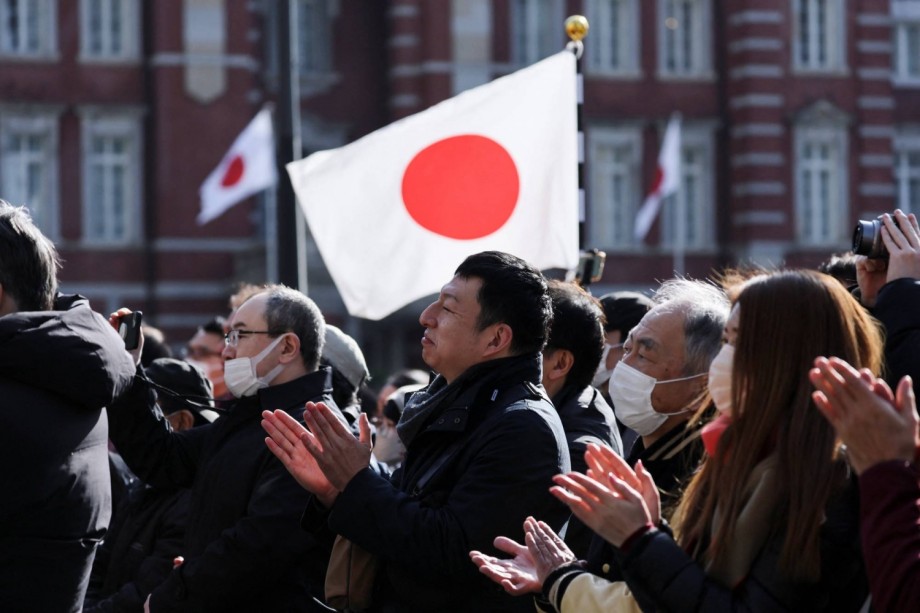
Campaigning for the Feb. 8 Lower House election kicked off Tuesday, with Prime Minister Sanae Takaichi facing off against a transformed opposition as she seeks a mandate from voters.
The election comes amid a dramatic shift in the political landscape.
Takaichi’s ruling Liberal Democratic Party is running without backing from Komeito, its former coalition partner of 26 years, or the Japan Innovation Party (JIP), its new ally.
The LDP and the JIP are also facing off against the Centrist Reform Alliance (CRA), a new party formed by the Constitutional Democratic Party of Japan (CDP) and Komeito.
Takaichi and JIP leader Hirofumi Yoshimura gave their first stump speeches at a joint rally in front of Akihabara Station in Tokyo.
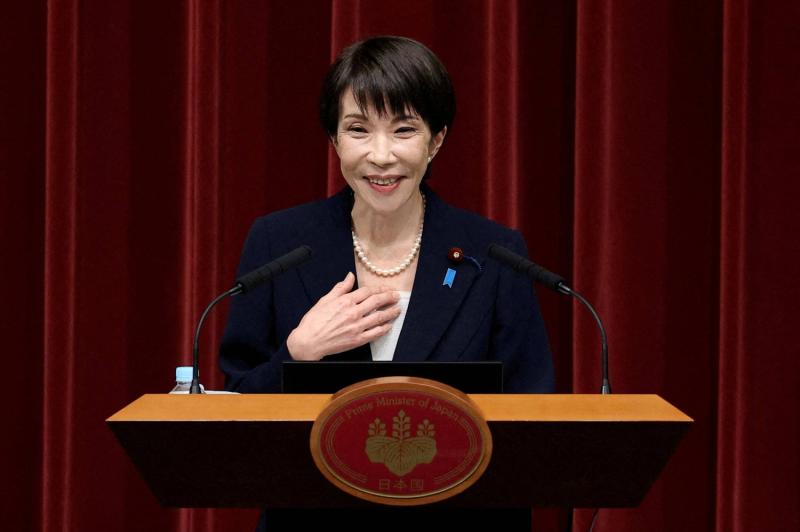
“Before a long Diet session begins, I want your mandate first,” said Takaichi. “We can’t pursue policies with strength in such unstable circumstances. So, please, let the LDP and JIP take home a majority.”
Yoshimura talked up Takaichi, while talking down opposition leaders.
“(U.S.) President (Donald) Trump, (Chinese) President Xi Jinping, (Russian) President Vladimir Putin. Who can actually go toe to toe with them?
Is it (CRA co-leader Yoshihiko) Noda? Or (CRA co-leader Tetsuo) Saito? No — it’s Takaichi standing right here,” said Yoshimura, reiterating his party’s role as “Takaichi’s accelerator.”
Takaichi is betting on the ruling LDP-JIP coalition to ride on her high approval rates to a comfortable majority.
Until the dissolution on Friday, the LDP-JIP bloc held a slim majority in the Lower House, with 233 seats after three independent lawmakers from the chamber decided to join the LDP’s parliamentary caucus.
If the LDP and JIP fail to win a majority of 233 seats or more in the 465-seat lower chamber of parliament, the prime minister said she would resign “immediately.”
Public support for Takaichi’s Cabinet was 63.1% in January, down 4.4 percentage points from the previous month, according to a Kyodo News survey conducted on the weekend after the dissolution.
The opposition CRA aims to win more than 165 seats — more than its combined number of former CDP and Komeito lawmakers — to become the single largest party in the Lower House.
In his first stump speech in Aomori Prefecture, Noda criticized Takaichi’s decision to dissolve the Lower House last week, which resulted in parliament having less time to pass the ¥122.3 trillion ($792 billion) budget for fiscal 2026 before April.
Takaichi’s gambit could delay the government from introducing inflation-busting measures as planned, such as eliminating the provisional tax on gasoline from April.
“Are you going to choose politics that put everyday lives on the back burner? Or will you support the CRA, which will put your everyday lives at the heart of policies?” Noda asked.
One key issue in the runup to the election has been proposals to eliminate or reduce the 8% consumption tax on food.
The LDP and JIP have pledged to eliminate the tax for two years until Takaichi’s government can introduce a refundable tax credit program to support middle- and low-income households, while the CRA has pledged to scrap it permanently. The Democratic Party for the People (DPP) has pledged to lower the levy to 5%.
In recent elections, the LDP made no pledges to lower the consumption tax as the party’s fiscal hawks argued that doing so would run the risk of lowering the quality of social welfare services — including pension funds and medical care — to which 80% of the ¥25 trillion in expected revenue from the consumption tax was allocated for fiscal 2025.
The election comes amid a dramatic shift in the political landscape.
Takaichi’s ruling Liberal Democratic Party is running without backing from Komeito, its former coalition partner of 26 years, or the Japan Innovation Party (JIP), its new ally.
The LDP and the JIP are also facing off against the Centrist Reform Alliance (CRA), a new party formed by the Constitutional Democratic Party of Japan (CDP) and Komeito.
Takaichi and JIP leader Hirofumi Yoshimura gave their first stump speeches at a joint rally in front of Akihabara Station in Tokyo.
“Before a long Diet session begins, I want your mandate first,” said Takaichi. “We can’t pursue policies with strength in such unstable circumstances. So, please, let the LDP and JIP take home a majority.”
Yoshimura talked up Takaichi, while talking down opposition leaders.
“(U.S.) President (Donald) Trump, (Chinese) President Xi Jinping, (Russian) President Vladimir Putin. Who can actually go toe to toe with them?
Is it (CRA co-leader Yoshihiko) Noda? Or (CRA co-leader Tetsuo) Saito? No — it’s Takaichi standing right here,” said Yoshimura, reiterating his party’s role as “Takaichi’s accelerator.”
Takaichi is betting on the ruling LDP-JIP coalition to ride on her high approval rates to a comfortable majority.
Until the dissolution on Friday, the LDP-JIP bloc held a slim majority in the Lower House, with 233 seats after three independent lawmakers from the chamber decided to join the LDP’s parliamentary caucus.
If the LDP and JIP fail to win a majority of 233 seats or more in the 465-seat lower chamber of parliament, the prime minister said she would resign “immediately.”
Public support for Takaichi’s Cabinet was 63.1% in January, down 4.4 percentage points from the previous month, according to a Kyodo News survey conducted on the weekend after the dissolution.
The opposition CRA aims to win more than 165 seats — more than its combined number of former CDP and Komeito lawmakers — to become the single largest party in the Lower House.
In his first stump speech in Aomori Prefecture, Noda criticized Takaichi’s decision to dissolve the Lower House last week, which resulted in parliament having less time to pass the ¥122.3 trillion ($792 billion) budget for fiscal 2026 before April.
Takaichi’s gambit could delay the government from introducing inflation-busting measures as planned, such as eliminating the provisional tax on gasoline from April.
“Are you going to choose politics that put everyday lives on the back burner? Or will you support the CRA, which will put your everyday lives at the heart of policies?” Noda asked.
One key issue in the runup to the election has been proposals to eliminate or reduce the 8% consumption tax on food.
The LDP and JIP have pledged to eliminate the tax for two years until Takaichi’s government can introduce a refundable tax credit program to support middle- and low-income households, while the CRA has pledged to scrap it permanently. The Democratic Party for the People (DPP) has pledged to lower the levy to 5%.
In recent elections, the LDP made no pledges to lower the consumption tax as the party’s fiscal hawks argued that doing so would run the risk of lowering the quality of social welfare services — including pension funds and medical care — to which 80% of the ¥25 trillion in expected revenue from the consumption tax was allocated for fiscal 2025.
The Finance Ministry said last year that scrapping the consumption tax on food would result in an annual revenue drop of about ¥5 trillion.
Takaichi said that by reviewing subsidies and special tax measures, as well as securing nontax revenues, ¥4.8 trillion can be made available to fund the tax cut.
The CRA has said it would use the government’s pension reserve funds to make up for the lost revenue, while the DPP proposes using excess tax revenue or exchange-traded funds.
Immigration policy, including a possible cap on the number of foreign residents, will be another key issue in the election.
The JIP and Sanseito are advocating for capping the number of foreign residents in Japan, while the CRA has cautioned against such “exclusionary” rhetoric, instead calling for policies that promote integration.
About 1,240 candidates, including some 300 women, are expected to contest in the election, according to a Jiji report. The projected number is lower than the 1,334 who ran in the 2024 Lower House election, as each party had less time to prepare for the snap election. Candidate registration closes at 5 p.m. Tuesday.
Of the 465 Lower House seats, 289 will be contested in electoral districts while 176 will be filled through the proportional representation system.
When Komeito was part of the ruling coalition, it asked its supporters to vote for LDP candidates during national elections in exchange for the latter’s support in the proportional representation system and a number of single-seat districts.
Former Komeito candidates now with the CRA are rolling the dice on a new election strategy with former CDP candidates.
CRA lawmakers from Komeito will be given priority on the proportional representation list in exchange for withdrawing from single-seat districts where CRA lawmakers from the CDP will run.
The LDP and JIP have decided against a coordinated election strategy, which leaves open the possibility of candidates from both parties running against each other.
Takaichi said that by reviewing subsidies and special tax measures, as well as securing nontax revenues, ¥4.8 trillion can be made available to fund the tax cut.
The CRA has said it would use the government’s pension reserve funds to make up for the lost revenue, while the DPP proposes using excess tax revenue or exchange-traded funds.
Immigration policy, including a possible cap on the number of foreign residents, will be another key issue in the election.
The JIP and Sanseito are advocating for capping the number of foreign residents in Japan, while the CRA has cautioned against such “exclusionary” rhetoric, instead calling for policies that promote integration.
About 1,240 candidates, including some 300 women, are expected to contest in the election, according to a Jiji report. The projected number is lower than the 1,334 who ran in the 2024 Lower House election, as each party had less time to prepare for the snap election. Candidate registration closes at 5 p.m. Tuesday.
Of the 465 Lower House seats, 289 will be contested in electoral districts while 176 will be filled through the proportional representation system.
When Komeito was part of the ruling coalition, it asked its supporters to vote for LDP candidates during national elections in exchange for the latter’s support in the proportional representation system and a number of single-seat districts.
Former Komeito candidates now with the CRA are rolling the dice on a new election strategy with former CDP candidates.
CRA lawmakers from Komeito will be given priority on the proportional representation list in exchange for withdrawing from single-seat districts where CRA lawmakers from the CDP will run.
The LDP and JIP have decided against a coordinated election strategy, which leaves open the possibility of candidates from both parties running against each other.
- January 27, 2026
- Comment (0)
- Trackback(0)