
Loading

Search
▼ Japan Moves Closer To Reviving World’s Largest Nuclear Plant Amid Energy Security Push
- Category:Other
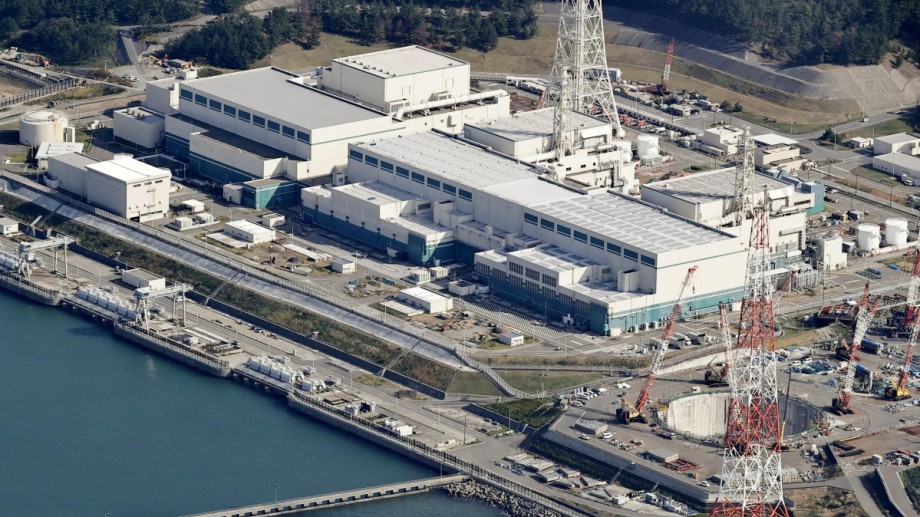
The fate of the world’s largest nuclear power station hangs in the balance this month as local lawmakers in Japan decide whether to authorise a controversial restart, a move that would mark a significant pivot in the nation’s post-Fukushima energy policy.
A regional assembly in Niigata Prefecture began deliberations on Tuesday regarding the Kashiwazaki-Kariwa Nuclear Power Plant. The debate is set to conclude with a vote by 22 December, potentially paving the way for the facility to generate electricity as early as January 2025.
The plant, located approximately 300 kilometres (186 miles) northeast of Tokyo on the coast of the Sea of Japan, has been idle since the industry-wide shutdown following the 2011 earthquake and tsunami that destroyed the Fukushima Daiichi reactors.
A Test of Trust for TEPCO
The vote carries immense symbolic weight because Kashiwazaki-Kariwa is owned by Tokyo Electric Power Co. (TEPCO), the same operator responsible for the Fukushima disaster. If Unit No. 6 is brought back online, it would be the first time TEPCO has operated a nuclear reactor since the 2011 meltdown.
The road to this vote has been fraught with regulatory hurdles. For years, Japan’s Nuclear Regulation Authority (NRA) effectively banned the restart due to serious security breaches at the site, including the misuse of ID cards and inadequate protection of nuclear materials. That effective ban was only lifted recently, allowing TEPCO to proceed with seeking local consent.
"The use of nuclear energy is essential in Japan, which has few resources," TEPCO President Tomiaki Kobayakawa stated on Monday, attempting to reassure stakeholders during a tour with delegates from the Japan Business Federation.
Energy Security vs. Public Safety
The peaceful coastal area encompassing Kashiwazaki city and Kariwa village is home to around 80,000 people. While the local economy relies heavily on the plant, anxiety remains palpable.
Yukihiko Hoshino, a member of the Kashiwazaki city assembly, highlighted that local residents are deeply concerned about the possibility of another accident, particularly regarding escape routes.
"The biggest worry is whether they will be able to evacuate," Hoshino said. He noted that displaced residents from the Fukushima area are still unable to return home more than a decade later.
These fears were compounded by the severe earthquake that struck the nearby Noto Peninsula on New Year’s Day 2024. That disaster damaged roads and isolated communities, leading many in Niigata to question whether current evacuation plans would hold up during a major seismic event involving the nuclear plant.
The Economic Imperative
Despite public hesitation, the geopolitical and economic arguments for restarting the plant are gaining traction. Following the Fukushima disaster, Japan shuttered all 54 of its nuclear reactors, forcing a heavy reliance on imported liquefied natural gas (LNG) and coal.
Prime Minister Sanae Takaichi has been a vocal proponent of nuclear restarts to strengthen national energy security and mitigate the volatility of global fossil fuel markets. Imported energy currently accounts for 60% to 70% of Japan's electricity generation.
Furthermore, Japan’s power demand, which had been in decline, is now projected to grow. This shift is driven by a surge in energy-hungry data centres and the rapid expansion of artificial intelligence businesses, necessitating a stable, low-carbon baseload power supply.
TEPCO has been conducting drills involving staff in hazmat suits to demonstrate improved safety protocols. The operator aims to restart the 1,356-megawatt Unit No. 6 in January, pending the assembly's approval, and hopes to bring Unit No. 7 online subsequently. TEPCO has indicated it may decommission the remaining five older reactors at the site.
Of the 54 reactors operational before 2011, Japan has successfully restarted 14 of the 33 that remain technically operable. According to Japan's industry ministry, Unit No. 6 alone could improve the supply reserve for the Tokyo metropolitan area by 2%.
As TEPCO continues to pay compensation for the Fukushima Daiichi disaster, the restart of Kashiwazaki-Kariwa is viewed as essential for the company's financial rehabilitation, as well as for Japan’s carbon reduction goals.
- December 2, 2025
- Comment (0)
- Trackback(0)