
Loading

Search
▼ Survey: 82% Of Japanese Voters Oppose U.S. Attack On Iran
- Category:Event
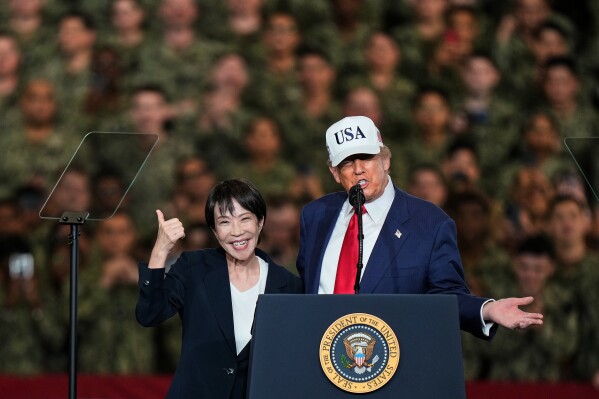
An overwhelming 82 percent of Japanese voters do not support the U.S. attack against Iran, and more than half want Prime Minister Sanae Takaichi to express her stance on the war, a survey showed.
Only 9 percent of respondents back the Israeli-U.S. action, according to the nationwide telephone poll conducted by The Asahi Shimbun on March 14-15.
The findings show a significantly harsher public reaction compared to a survey in March 2003, immediately after the U.S.-led attack on Iraq.
In that earlier survey, 59 percent of Japanese voters opposed the U.S. action while 31 percent supported it.
International criticism has risen about the airstrikes against Iran, and countries like Spain have stated that the war violates international law.
However, Takaichi has avoided specifying her view, saying, “I will refrain from making a legal assessment.”
Fifty-one percent of respondents said they disapprove of her reluctance, surpassing the 34 percent who approve.
Although a majority of Liberal Democratic Party supporters (53 percent) approved Takaichi’s cautious stance, only 22 percent of unaffiliated voters agreed with her move.
DEEP ECONOMIC ANXIETY
The Middle East conflict has fueled deep economic fears in Japan.
Fifty-three percent feel “greatly anxious” and 37 percent are “somewhat anxious” about the impact on Japan’s economy, for a combined 90 percent, according to the survey.
Only 10 percent feel little to no anxiety.
Economic concerns were highest among those in their 60s (66 percent) and nonregular employees (65 percent), while they were lowest among 18- to 29-year-olds (35 percent).
Regarding Takaichi’s measures against rising prices, 43 percent of respondents voiced disapproval, compared with 38 percent who expressed approval.
This marks the second consecutive survey in which disapproval has outpaced approval, although the disapproval figure fell slightly from 47 percent in January.
On March 11, Takaichi announced plans to release oil from the national stockpile and use subsidies to curb gasoline prices.
CABINET SUPPORT RESILIENT
Despite the economic anxiety, the approval rating for the Takaichi Cabinet was 61 percent, nearly unchanged from 63 percent in February and remaining in the 60s since the Cabinet’s formation last October.
The Cabinet’s strong support rating persists even as 51 percent of voters disapprove of the ruling parties’ decision to significantly shorten Diet debate to pass the budget bill for the new fiscal year in March.
Only 34 percent approve of the move.
Among those who object to the ruling coalition’s handling of Diet affairs, 44 percent disapproved of the Cabinet, well above the overall disapproval rating of 26 percent.
But among those who support the Diet management, the Cabinet’s approval rating soared to 87 percent.
The survey also touched on Takaichi’s distribution of catalog gifts worth 30,000 yen ($188) each to 315 LDP members elected in the February Lower House election.
Fifty-five percent of voters said it was problematic, with 28 percent calling it a “major problem” and 27 percent saying it was “somewhat of a problem.”
Forty-three percent saw it as a minor or no problem.
In a similar incident a year ago, 75 percent of survey respondents said then-Prime Minister Shigeru Ishiba’s distribution of 100,000-yen gift certificates to new LDP lawmakers through his office was “problematic.”
LINGERING CHURCH DOUBTS
The survey also raised the Tokyo High Court’s decision in March to uphold a dissolution order against the Family Federation for World Peace and Unification, formerly known as the Unification Church.
Sixty-one percent of respondents believe that LDP lawmakers “cannot sever ties” with the church, compared with 25 percent who believe they can.
Although skepticism remains high, it is lower than in summer 2022, when the church-politics issue re-emerged and around 80 percent of voters said ties could not be cut.
The survey was conducted using the Random Digit Dialing method. Valid responses were obtained from 1,166 eligible voters. Results were adjusted to reflect national demographics.
Only 9 percent of respondents back the Israeli-U.S. action, according to the nationwide telephone poll conducted by The Asahi Shimbun on March 14-15.
The findings show a significantly harsher public reaction compared to a survey in March 2003, immediately after the U.S.-led attack on Iraq.
In that earlier survey, 59 percent of Japanese voters opposed the U.S. action while 31 percent supported it.
International criticism has risen about the airstrikes against Iran, and countries like Spain have stated that the war violates international law.
However, Takaichi has avoided specifying her view, saying, “I will refrain from making a legal assessment.”
Fifty-one percent of respondents said they disapprove of her reluctance, surpassing the 34 percent who approve.
Although a majority of Liberal Democratic Party supporters (53 percent) approved Takaichi’s cautious stance, only 22 percent of unaffiliated voters agreed with her move.
DEEP ECONOMIC ANXIETY
The Middle East conflict has fueled deep economic fears in Japan.
Fifty-three percent feel “greatly anxious” and 37 percent are “somewhat anxious” about the impact on Japan’s economy, for a combined 90 percent, according to the survey.
Only 10 percent feel little to no anxiety.
Economic concerns were highest among those in their 60s (66 percent) and nonregular employees (65 percent), while they were lowest among 18- to 29-year-olds (35 percent).
Regarding Takaichi’s measures against rising prices, 43 percent of respondents voiced disapproval, compared with 38 percent who expressed approval.
This marks the second consecutive survey in which disapproval has outpaced approval, although the disapproval figure fell slightly from 47 percent in January.
On March 11, Takaichi announced plans to release oil from the national stockpile and use subsidies to curb gasoline prices.
CABINET SUPPORT RESILIENT
Despite the economic anxiety, the approval rating for the Takaichi Cabinet was 61 percent, nearly unchanged from 63 percent in February and remaining in the 60s since the Cabinet’s formation last October.
The Cabinet’s strong support rating persists even as 51 percent of voters disapprove of the ruling parties’ decision to significantly shorten Diet debate to pass the budget bill for the new fiscal year in March.
Only 34 percent approve of the move.
Among those who object to the ruling coalition’s handling of Diet affairs, 44 percent disapproved of the Cabinet, well above the overall disapproval rating of 26 percent.
But among those who support the Diet management, the Cabinet’s approval rating soared to 87 percent.
The survey also touched on Takaichi’s distribution of catalog gifts worth 30,000 yen ($188) each to 315 LDP members elected in the February Lower House election.
Fifty-five percent of voters said it was problematic, with 28 percent calling it a “major problem” and 27 percent saying it was “somewhat of a problem.”
Forty-three percent saw it as a minor or no problem.
In a similar incident a year ago, 75 percent of survey respondents said then-Prime Minister Shigeru Ishiba’s distribution of 100,000-yen gift certificates to new LDP lawmakers through his office was “problematic.”
LINGERING CHURCH DOUBTS
The survey also raised the Tokyo High Court’s decision in March to uphold a dissolution order against the Family Federation for World Peace and Unification, formerly known as the Unification Church.
Sixty-one percent of respondents believe that LDP lawmakers “cannot sever ties” with the church, compared with 25 percent who believe they can.
Although skepticism remains high, it is lower than in summer 2022, when the church-politics issue re-emerged and around 80 percent of voters said ties could not be cut.
The survey was conducted using the Random Digit Dialing method. Valid responses were obtained from 1,166 eligible voters. Results were adjusted to reflect national demographics.
- March 16, 2026
- Comment (0)
- Trackback(0)