
Loading

Search
▼ Middle East Conflict Dampens Japan Industrial Output In March
- Category:Other
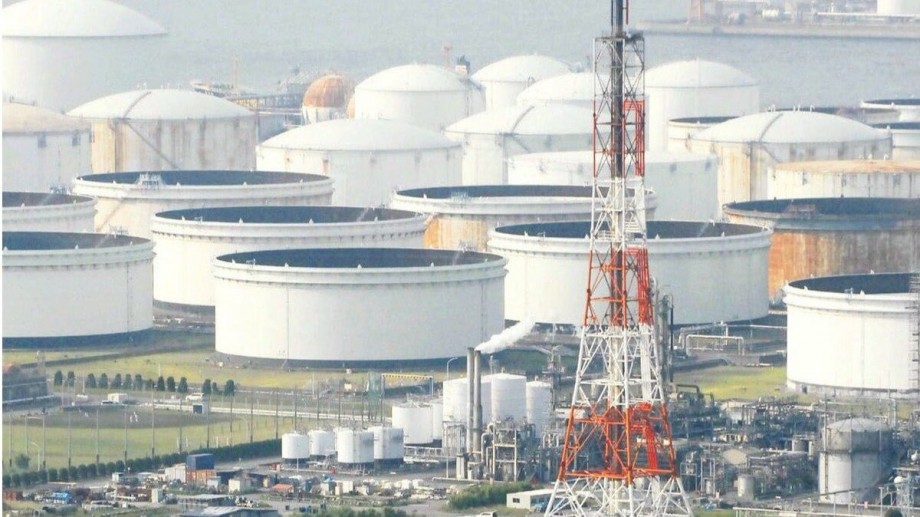
Japan's industrial output in March edged down 0.5 percent from the previous month, pressured by the Middle East conflict that affected output of chemical products due to disruptions in imports of their raw materials, government data showed Thursday.
The decrease followed an upwardly revised decline of 2.0 percent in February. The Ministry of Economy, Trade and Industry kept its basic assessment of industrial production the same as the previous month, saying it "fluctuates indecisively."
Supplies of naphtha, which is necessary to produce chemicals widely used in manufacturing products such as plastics and critical medical supplies, have been disrupted due to the effective closure of the Strait of Hormuz, following the U.S.-Israeli attacks against Iran on Feb. 28.
For the reported month, the inorganic and organic chemicals sector was the largest contributor to the decline, falling 8.6 percent from the previous month due to decreases in polyethylene, synthetic rubber and ethylene.
A ministry official added that regular inspections of naphtha cracking furnaces, which caused domestic production capacity to fall by nearly 40 percent in March, also led to weakness in ethylene output.
Despite the decline in the sector, the official said, "By utilizing inventories, the shipments of major petroleum chemical products are unchanged from levels of the previous year, and supply levels are maintained."
Manufacturing of petroleum and coal products, including gasoline, diesel and naphtha, also fell 7.7 percent, but officials said the decrease was due to "technical" factors stemming from seasonal adjustments, denying the impact of the Middle East crisis.
Auto output fell slightly among other sectors due to a downturn in exports, as earlier released trade statistics showed a cutback in cars bound for the Middle East region.
"We do not see that overall industrial output is weak after the average for the January-March quarter logged a gain and manufacturers' production plans showed that the index will rise both in April and May," the ministry said, adding that the Middle East situation is uncertain and warrants attention.
The seasonally adjusted index of production at factories and mines stood at 101.9 against the 2020 base of 100, the ministry said in the preliminary report.
According to a poll of manufacturers, output is expected to rise 2.1 percent in April and 2.2 percent in May, the ministry said.
Economists expect the upcoming April results for industrial production to further reflect the impact of the Middle East, with the strait remaining effectively closed, and supply issues for crude oil, naphtha, and fertilizers persist, forcing some manufacturers to stop taking orders.
The Japanese government says it can stably secure crude oil by releasing domestic stockpiles and by tapping alternate sources, but there could be "significant downward pressure" on production activities going forward, with the full resumption of shipping through the strait still unclear, according to Takeshi Minami, chief economist at the Norinchukin Research Institute.
In fiscal 2025, industrial output dropped 0.2 percent from the previous year to 101.2, marking a decline for the fourth straight year, reflecting the impact of the higher tariffs imposed by U.S. President Donald Trump, the official said.
The decrease followed an upwardly revised decline of 2.0 percent in February. The Ministry of Economy, Trade and Industry kept its basic assessment of industrial production the same as the previous month, saying it "fluctuates indecisively."
Supplies of naphtha, which is necessary to produce chemicals widely used in manufacturing products such as plastics and critical medical supplies, have been disrupted due to the effective closure of the Strait of Hormuz, following the U.S.-Israeli attacks against Iran on Feb. 28.
For the reported month, the inorganic and organic chemicals sector was the largest contributor to the decline, falling 8.6 percent from the previous month due to decreases in polyethylene, synthetic rubber and ethylene.
A ministry official added that regular inspections of naphtha cracking furnaces, which caused domestic production capacity to fall by nearly 40 percent in March, also led to weakness in ethylene output.
Despite the decline in the sector, the official said, "By utilizing inventories, the shipments of major petroleum chemical products are unchanged from levels of the previous year, and supply levels are maintained."
Manufacturing of petroleum and coal products, including gasoline, diesel and naphtha, also fell 7.7 percent, but officials said the decrease was due to "technical" factors stemming from seasonal adjustments, denying the impact of the Middle East crisis.
Auto output fell slightly among other sectors due to a downturn in exports, as earlier released trade statistics showed a cutback in cars bound for the Middle East region.
"We do not see that overall industrial output is weak after the average for the January-March quarter logged a gain and manufacturers' production plans showed that the index will rise both in April and May," the ministry said, adding that the Middle East situation is uncertain and warrants attention.
The seasonally adjusted index of production at factories and mines stood at 101.9 against the 2020 base of 100, the ministry said in the preliminary report.
According to a poll of manufacturers, output is expected to rise 2.1 percent in April and 2.2 percent in May, the ministry said.
Economists expect the upcoming April results for industrial production to further reflect the impact of the Middle East, with the strait remaining effectively closed, and supply issues for crude oil, naphtha, and fertilizers persist, forcing some manufacturers to stop taking orders.
The Japanese government says it can stably secure crude oil by releasing domestic stockpiles and by tapping alternate sources, but there could be "significant downward pressure" on production activities going forward, with the full resumption of shipping through the strait still unclear, according to Takeshi Minami, chief economist at the Norinchukin Research Institute.
In fiscal 2025, industrial output dropped 0.2 percent from the previous year to 101.2, marking a decline for the fourth straight year, reflecting the impact of the higher tariffs imposed by U.S. President Donald Trump, the official said.
- April 30, 2026
- Comment (0)
- Trackback(0)