
Loading

Search
▼ Japan PM Eyes South Korea Visit Around May 19-20 For Summit Talks: Sources
- Category:Event
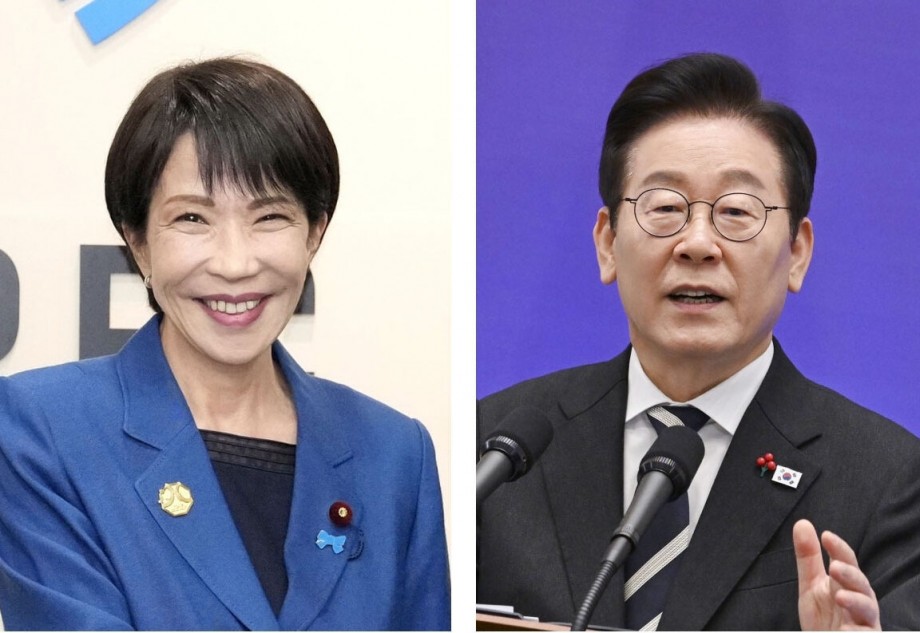
Japanese Prime Minister Sanae Takaichi is considering visiting South Korea later this month for talks with President Lee Jae Myung, diplomatic sources said Friday.
During her planned visit currently being arranged for two days from May 19, Takaichi is expected to discuss bilateral cooperation with South Korea in energy security amid disruptions of crude oil transportation following the U.S.-Israeli conflict with Iran, according to the sources.
The Japanese and South Korean leaders are likely to meet in the southeastern city of Andong, Lee's hometown, and affirm collaboration in economic security, including strengthening critical mineral supply chains, the sources said.
The move would be part of a bilateral practice of leader-level reciprocal visits dubbed "shuttle diplomacy." Tokyo and Seoul have kept good relations in recent years after recovering from their lowest point in decades due to wartime history and territorial issues.
Takaichi, who took office in October, and Lee met in January in the western Japan city of Nara, the capital of her home prefecture, agreeing to continue the mutual visit practice and promote cooperation in various fields.
Reciprocal visits by leaders of the two countries started in 2004 but had stalled since 2011 in the face of disputes stemming from Japan's 1910-1945 colonial rule of the Korean Peninsula.
The visits resumed in 2023 after progress in a row regarding compensation demands from South Koreans over wartime labor. Lee became president in June 2025 after his predecessor was impeached as his short-lived declaration of martial law sparked protests.
The two Asian neighbors have faced a common challenge of securing oil and petroleum products in the wake of the Middle East conflict since late February that has disrupted global energy supplies, as they heavily rely on crude oil imports from the region.
Japan and South Korea have also been bolstering their security cooperation bilaterally and trilaterally with their common ally, the United States, given North Korea's missile and nuclear programs and China's intensifying military activities in the Indo-Pacific region.
During her planned visit currently being arranged for two days from May 19, Takaichi is expected to discuss bilateral cooperation with South Korea in energy security amid disruptions of crude oil transportation following the U.S.-Israeli conflict with Iran, according to the sources.
The Japanese and South Korean leaders are likely to meet in the southeastern city of Andong, Lee's hometown, and affirm collaboration in economic security, including strengthening critical mineral supply chains, the sources said.
The move would be part of a bilateral practice of leader-level reciprocal visits dubbed "shuttle diplomacy." Tokyo and Seoul have kept good relations in recent years after recovering from their lowest point in decades due to wartime history and territorial issues.
Takaichi, who took office in October, and Lee met in January in the western Japan city of Nara, the capital of her home prefecture, agreeing to continue the mutual visit practice and promote cooperation in various fields.
Reciprocal visits by leaders of the two countries started in 2004 but had stalled since 2011 in the face of disputes stemming from Japan's 1910-1945 colonial rule of the Korean Peninsula.
The visits resumed in 2023 after progress in a row regarding compensation demands from South Koreans over wartime labor. Lee became president in June 2025 after his predecessor was impeached as his short-lived declaration of martial law sparked protests.
The two Asian neighbors have faced a common challenge of securing oil and petroleum products in the wake of the Middle East conflict since late February that has disrupted global energy supplies, as they heavily rely on crude oil imports from the region.
Japan and South Korea have also been bolstering their security cooperation bilaterally and trilaterally with their common ally, the United States, given North Korea's missile and nuclear programs and China's intensifying military activities in the Indo-Pacific region.
- May 8, 2026
- Comment (0)
- Trackback(0)