
Loading

Search
▼ Iran Prepared To Let Japanese Ships Transit Hormuz, FM Says
- Category:Other
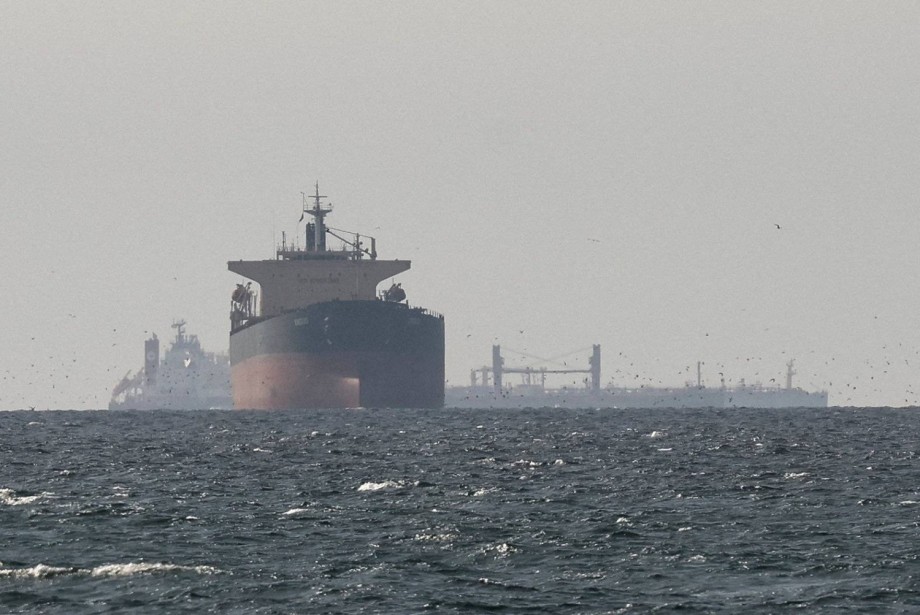
Tehran is prepared to allow Japanese-related ships to transit the Strait of Hormuz, a crucial waterway through which 93% of Japan’s imported crude oil flows, Iranian Foreign Minister Abbas Araghchi has said in an interview.
Discussions with Japan on the matter have already begun, according to a transcript of Araghchi’s interview with Kyodo News posted to his Telegram account Saturday. Araghchi said the issue had been raised during his phone call last Tuesday with Foreign Minister Toshimitsu Motegi.
Speaking on a TV program Sunday, Motegi declined to go into detail about the phone call but said their discussion had “centered on the fact that halting trade — including container shipments — is not a good thing.”
“I emphasized that the safety of these vessels is of the utmost importance,” he said, noting that 45 Japanese vessels have currently halted in the Persian Gulf.
“From Japan’s perspective, since there are so many vessels involved, we believe it is extremely important to create a situation where all of them can pass through,” Motegi said.
In one diplomatic breakthrough with Tehran, Motegi told the same TV program that one of two Japanese nationals detained by Iran had traveled to Azerbaijan after having been released Wednesday. The person arrived in Japan on Sunday.
Reopening the Strait of Hormuz after its effective closure amid the U.S.-Israeli war against Iran remains one of Japan’s top concerns.
But Araghchi denied the waterway has been closed, according to the interview transcript.
“In our opinion, the strait is open,” he said. “It is closed only for ships belonging to our enemies, countries that attack us. For other countries, ships can pass through the strait.”
On the issue of vessels’ safety, the top Iranian diplomat said that Iran is “ready to provide safe passage for them.”
“They just need to contact us to discuss how this route will be,” he said, adding that this "absolutely" included Japan.
Asked if the Japanese government had made an official request to cross the strait, Araghchi declined comment, saying that the talks are “ongoing.”
While most Group of Seven nations have adversarial relations with Iran, Japan has maintained relatively friendly ties with the country, potentially giving Tokyo more diplomatic sway than its partners in the grouping.
Araghchi’s remarks came ahead of U.S. President Donald Trump's demand on Saturday that Iran open the strait within 48 hours or risk the destruction of the country's power plants.
"If Iran doesn’t FULLY OPEN, WITHOUT THREAT, the Strait of Hormuz, within 48 HOURS from this exact point in time, the United States of America will hit and obliterate their various POWER PLANTS, STARTING WITH THE BIGGEST ONE FIRST!" Trump wrote on social media.
The harshly worded post appeared to reflect his growing anger with Iran and allies, who have offered lukewarm responses to his call to join a coalition to secure the waterway.
On Friday, Trump said that "it would be nice" if Japan, China and other countries that depend on energy imports from the Middle East joined efforts to protect shipping in the strait — just a day after a summit with Prime Minister Sanae Takaichi.
During their meeting in Washington, Takaichi successfully avoided a public rift with Trump and appeared to win a degree of understanding from him on the issue, with the U.S. president praising Tokyo for “stepping up to the plate.”
But the U.S. leader has continued to express frustration with partners for not sending warships to escort tankers and clear mines from the strait.
Speaking to reporters at the White House on Friday, he claimed that "a simple military maneuver" could be used to reopen the strait, which has been effectively closed since the U.S.-Israeli war against Iran began on Feb. 28.
But such a move, he said, would need a large mass of ships to be sent to the area.
"It's relatively safe, but you need a lot of help, in the sense of you need help, you need volume. NATO could help us, but they, so far, haven't had the courage to do so, and others could help us," Trump said.
"You know, we don't use the strait. … We don't need it. Europe needs it. (South) Korea, Japan, China, a lot of other people (need it),” he added. “So, they'll have to get involved a little bit on that.”
Takaichi has repeatedly said in public that nothing has been decided in regards to helping secure the Strait of Hormuz.
During a news conference after her summit with Trump, she said she had “clearly conveyed Japan’s position” on the legal difficulties in sending Maritime Self-Defense Force (MSDF) ships to the strait, while stressing the need “for an early de-escalation of the situation” in Iran and a role for Tokyo in any diplomatic solution to the war.
Motegi on Sunday said that while Trump had said Tokyo should "step up" during his meeting with Takaichi, "there was no specific request for what we should do" following an explanation from the Japanese side.
"At least at that moment, President Trump seemed to understand and nodded in agreement," he said, adding that if a ceasefire agreement enters into effect, the U.S. leader could ask for the MSDF to be deployed.
One hour before the Takaichi-Trump summit on Thursday, Japan joined a handful of European nations in issuing a joint statement calling for an “immediate comprehensive moratorium on attacks on civilian infrastructure, including oil and gas installations” and expressing a readiness “to contribute to appropriate efforts to ensure safe passage through the Strait.”
“We welcome the commitment of nations who are engaging in preparatory planning,” the leaders of Japan, France, Germany, Italy, the Netherlands and the United Kingdom said in the statement.
Several other nations, including South Korea, also signed on to the statement on Friday.
Discussions with Japan on the matter have already begun, according to a transcript of Araghchi’s interview with Kyodo News posted to his Telegram account Saturday. Araghchi said the issue had been raised during his phone call last Tuesday with Foreign Minister Toshimitsu Motegi.
Speaking on a TV program Sunday, Motegi declined to go into detail about the phone call but said their discussion had “centered on the fact that halting trade — including container shipments — is not a good thing.”
“I emphasized that the safety of these vessels is of the utmost importance,” he said, noting that 45 Japanese vessels have currently halted in the Persian Gulf.
“From Japan’s perspective, since there are so many vessels involved, we believe it is extremely important to create a situation where all of them can pass through,” Motegi said.
In one diplomatic breakthrough with Tehran, Motegi told the same TV program that one of two Japanese nationals detained by Iran had traveled to Azerbaijan after having been released Wednesday. The person arrived in Japan on Sunday.
Reopening the Strait of Hormuz after its effective closure amid the U.S.-Israeli war against Iran remains one of Japan’s top concerns.
But Araghchi denied the waterway has been closed, according to the interview transcript.
“In our opinion, the strait is open,” he said. “It is closed only for ships belonging to our enemies, countries that attack us. For other countries, ships can pass through the strait.”
On the issue of vessels’ safety, the top Iranian diplomat said that Iran is “ready to provide safe passage for them.”
“They just need to contact us to discuss how this route will be,” he said, adding that this "absolutely" included Japan.
Asked if the Japanese government had made an official request to cross the strait, Araghchi declined comment, saying that the talks are “ongoing.”
While most Group of Seven nations have adversarial relations with Iran, Japan has maintained relatively friendly ties with the country, potentially giving Tokyo more diplomatic sway than its partners in the grouping.
Araghchi’s remarks came ahead of U.S. President Donald Trump's demand on Saturday that Iran open the strait within 48 hours or risk the destruction of the country's power plants.
"If Iran doesn’t FULLY OPEN, WITHOUT THREAT, the Strait of Hormuz, within 48 HOURS from this exact point in time, the United States of America will hit and obliterate their various POWER PLANTS, STARTING WITH THE BIGGEST ONE FIRST!" Trump wrote on social media.
The harshly worded post appeared to reflect his growing anger with Iran and allies, who have offered lukewarm responses to his call to join a coalition to secure the waterway.
On Friday, Trump said that "it would be nice" if Japan, China and other countries that depend on energy imports from the Middle East joined efforts to protect shipping in the strait — just a day after a summit with Prime Minister Sanae Takaichi.
During their meeting in Washington, Takaichi successfully avoided a public rift with Trump and appeared to win a degree of understanding from him on the issue, with the U.S. president praising Tokyo for “stepping up to the plate.”
But the U.S. leader has continued to express frustration with partners for not sending warships to escort tankers and clear mines from the strait.
Speaking to reporters at the White House on Friday, he claimed that "a simple military maneuver" could be used to reopen the strait, which has been effectively closed since the U.S.-Israeli war against Iran began on Feb. 28.
But such a move, he said, would need a large mass of ships to be sent to the area.
"It's relatively safe, but you need a lot of help, in the sense of you need help, you need volume. NATO could help us, but they, so far, haven't had the courage to do so, and others could help us," Trump said.
"You know, we don't use the strait. … We don't need it. Europe needs it. (South) Korea, Japan, China, a lot of other people (need it),” he added. “So, they'll have to get involved a little bit on that.”
Takaichi has repeatedly said in public that nothing has been decided in regards to helping secure the Strait of Hormuz.
During a news conference after her summit with Trump, she said she had “clearly conveyed Japan’s position” on the legal difficulties in sending Maritime Self-Defense Force (MSDF) ships to the strait, while stressing the need “for an early de-escalation of the situation” in Iran and a role for Tokyo in any diplomatic solution to the war.
Motegi on Sunday said that while Trump had said Tokyo should "step up" during his meeting with Takaichi, "there was no specific request for what we should do" following an explanation from the Japanese side.
"At least at that moment, President Trump seemed to understand and nodded in agreement," he said, adding that if a ceasefire agreement enters into effect, the U.S. leader could ask for the MSDF to be deployed.
One hour before the Takaichi-Trump summit on Thursday, Japan joined a handful of European nations in issuing a joint statement calling for an “immediate comprehensive moratorium on attacks on civilian infrastructure, including oil and gas installations” and expressing a readiness “to contribute to appropriate efforts to ensure safe passage through the Strait.”
“We welcome the commitment of nations who are engaging in preparatory planning,” the leaders of Japan, France, Germany, Italy, the Netherlands and the United Kingdom said in the statement.
Several other nations, including South Korea, also signed on to the statement on Friday.
- March 22, 2026
- Comment (0)
- Trackback(0)