
Loading

Search
▼ Japan Faces U.K. Rival In Race To Build Warships For New Zealand
- Category:Other
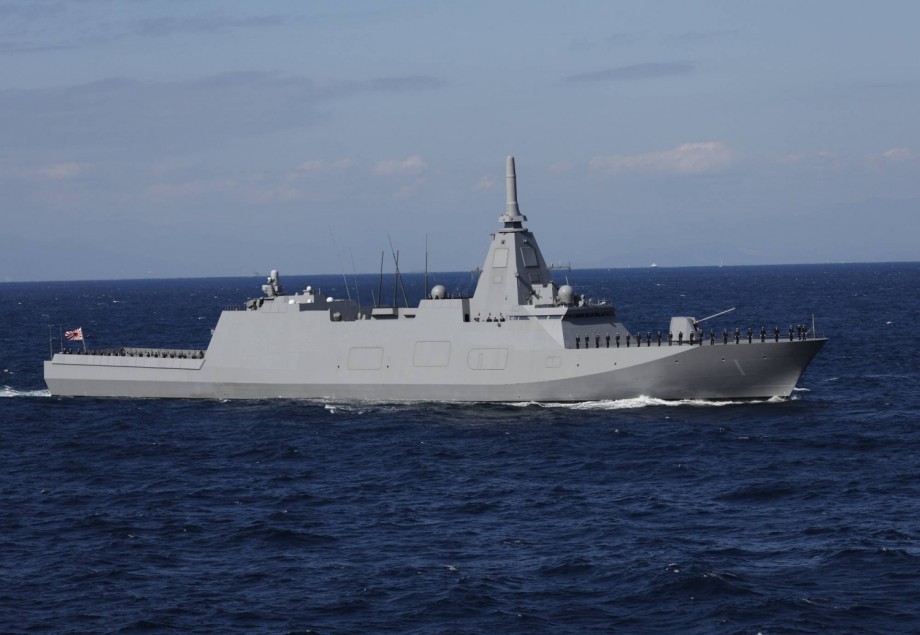
Japan’s stealthy and highly automated Mogami warship is set for a showdown with the simpler and less expensive Type 31 frigate from the U.K. as the two nations compete to supply vessels to the Royal New Zealand Navy.
New Zealand said last week it was looking at both options to replace its two aging Anzac-class frigates, which were commissioned almost 30 years ago.
The Defense Force is set to report on the rival offerings by the end of next year, at the latest, and the government hasn’t ruled out buying more than two.
For Japan, a deal with New Zealand would build on an agreement signed recently with Canberra to build the first three of 11 Mogami-class ships planned for Australia.
That deal is Japan’s first major export order for lethal weaponry since World War II and comes as Tokyo seeks to develop its defense sector through foreign sales.
New Zealand Defense Minister Chris Penk said that there are strong cases for both the Japanese and U.K. frigates, but the fact that Australia will acquire the Japanese ships is strongly persuasive.
"Our starting point is to ask whether it’s suitable to acquire exactly the same, and if so, then we will,” Penk said in an interview.
Australia and New Zealand have close political and military ties, so opting for identical ships should provide benefits such as collaboration on ship crewing, joint operations and maintenance. That could extend to Japan, whose ties with both have deepened.
"The Mogami has a real advantage in that it would allow New Zealand to be perfectly interoperable, if not interchangeable, with Australia and Japan,” said Alessio Patalano, professor of war and strategy in East Asia at King’s College London.
Japan’s chief government spokesman, Minoru Kihara, said regional security would be boosted by all three countries operating the same ships.
"From the perspective of strengthening deterrence in the Indo-Pacific region, this would be beneficial,” Kihara said at a regular news conference on Monday.
New Zealand said last week it was looking at both options to replace its two aging Anzac-class frigates, which were commissioned almost 30 years ago.
The Defense Force is set to report on the rival offerings by the end of next year, at the latest, and the government hasn’t ruled out buying more than two.
For Japan, a deal with New Zealand would build on an agreement signed recently with Canberra to build the first three of 11 Mogami-class ships planned for Australia.
That deal is Japan’s first major export order for lethal weaponry since World War II and comes as Tokyo seeks to develop its defense sector through foreign sales.
New Zealand Defense Minister Chris Penk said that there are strong cases for both the Japanese and U.K. frigates, but the fact that Australia will acquire the Japanese ships is strongly persuasive.
"Our starting point is to ask whether it’s suitable to acquire exactly the same, and if so, then we will,” Penk said in an interview.
Australia and New Zealand have close political and military ties, so opting for identical ships should provide benefits such as collaboration on ship crewing, joint operations and maintenance. That could extend to Japan, whose ties with both have deepened.
"The Mogami has a real advantage in that it would allow New Zealand to be perfectly interoperable, if not interchangeable, with Australia and Japan,” said Alessio Patalano, professor of war and strategy in East Asia at King’s College London.
Japan’s chief government spokesman, Minoru Kihara, said regional security would be boosted by all three countries operating the same ships.
"From the perspective of strengthening deterrence in the Indo-Pacific region, this would be beneficial,” Kihara said at a regular news conference on Monday.
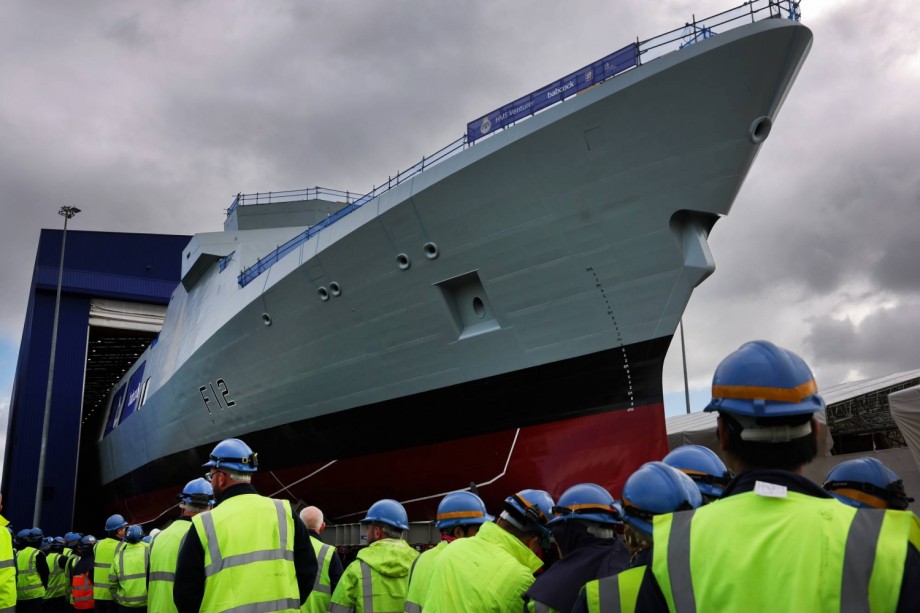
Ship construction could also be collaborative. As part of its deal with Japan, Australia is planning to build eight Mogami-class frigates at a shipyard near Perth. Penk said New Zealand is also looking for involvement in the construction of the vessels.
While Japan might be willing to bring New Zealand into the shipbuilding process, led by Mitsubishi Heavy Industries, the rival U.K. offer led by Babcock International Group already has a potential template for New Zealand in its existing deals with Poland and Indonesia to build Type 31 ships in those countries under license.
"How much work New Zealand can get in building the ships is going to be part of the decision,” said Peter Greener, senior fellow at the Center for Strategic Studies at Victoria University of Wellington.
Other factors including capability and cost will also shape New Zealand’s decision, according to Penk, who was appointed defense minister last month.
Defense analysts say both the U.K. and Japanese options are strong choices.
The Mogami-class ships are a relatively young and untested offering, albeit with more capabilities such as vertical launch cells for missiles, anti-submarine warfare technology and a stealthy design.
The extra features also come with a higher price tag, and a key question will be what capabilities New Zealand will need on its new ships. The U.K. Type-31 is a modular design that allows extra functions to be added as required.
"The British are likely to put forward a very cost attractive proposal,” Greener said, adding that the Type 31 offer might have an advantage if New Zealand decides to buy both frigates and patrol vessels based on the similar simpler design.
Penk has said the country is looking at all options to modernize its navy and add further new ships.
A spokeswoman for Babcock said the Type 31 frigate offered New Zealand a proven option for the kinds of roles New Zealand will have for its new ships. "It does what it says on the tin for what they will need in terms of maritime patrols and humanitarian aid,” she said.
While the Mogami-class frigates are likely to be more expensive, Patalano said the price tag has to be assessed through the life cycle costs. He said a robust local supply chain shared with Australia could help prevent costs ballooning.
"It’s like this: you buy the cheaper car but support, parts and maintenance are all more distant, less available, than the more expensive car you can service in the village,” he said.
Japan is likely to push hard to secure a deal with New Zealand as the government in Tokyo prioritizes growing its defense sector.
Senior Japanese government officials were regular visitors to Australia during that bid process, and Mitsubishi Heavy ran an advertising campaign in the country to support its offer.
That sales drive followed the trauma of Japan losing out to France in a bid to build submarines for Australia a decade ago despite being considered the front-runner. Penk said a Japanese Mogami-class frigate was expected to visit New Zealand soon.
"I can see them going either way,” Patalano said. "If cheaper is the overriding factor then the Type 31 might be the one they go for.”
While Japan might be willing to bring New Zealand into the shipbuilding process, led by Mitsubishi Heavy Industries, the rival U.K. offer led by Babcock International Group already has a potential template for New Zealand in its existing deals with Poland and Indonesia to build Type 31 ships in those countries under license.
"How much work New Zealand can get in building the ships is going to be part of the decision,” said Peter Greener, senior fellow at the Center for Strategic Studies at Victoria University of Wellington.
Other factors including capability and cost will also shape New Zealand’s decision, according to Penk, who was appointed defense minister last month.
Defense analysts say both the U.K. and Japanese options are strong choices.
The Mogami-class ships are a relatively young and untested offering, albeit with more capabilities such as vertical launch cells for missiles, anti-submarine warfare technology and a stealthy design.
The extra features also come with a higher price tag, and a key question will be what capabilities New Zealand will need on its new ships. The U.K. Type-31 is a modular design that allows extra functions to be added as required.
"The British are likely to put forward a very cost attractive proposal,” Greener said, adding that the Type 31 offer might have an advantage if New Zealand decides to buy both frigates and patrol vessels based on the similar simpler design.
Penk has said the country is looking at all options to modernize its navy and add further new ships.
A spokeswoman for Babcock said the Type 31 frigate offered New Zealand a proven option for the kinds of roles New Zealand will have for its new ships. "It does what it says on the tin for what they will need in terms of maritime patrols and humanitarian aid,” she said.
While the Mogami-class frigates are likely to be more expensive, Patalano said the price tag has to be assessed through the life cycle costs. He said a robust local supply chain shared with Australia could help prevent costs ballooning.
"It’s like this: you buy the cheaper car but support, parts and maintenance are all more distant, less available, than the more expensive car you can service in the village,” he said.
Japan is likely to push hard to secure a deal with New Zealand as the government in Tokyo prioritizes growing its defense sector.
Senior Japanese government officials were regular visitors to Australia during that bid process, and Mitsubishi Heavy ran an advertising campaign in the country to support its offer.
That sales drive followed the trauma of Japan losing out to France in a bid to build submarines for Australia a decade ago despite being considered the front-runner. Penk said a Japanese Mogami-class frigate was expected to visit New Zealand soon.
"I can see them going either way,” Patalano said. "If cheaper is the overriding factor then the Type 31 might be the one they go for.”
- May 12, 2026
- Comment (0)
- Trackback(0)