
Loading

Search
▼ Japan, U.S. Confirm Close Coordination On Currency After Intervention
- Category:Other
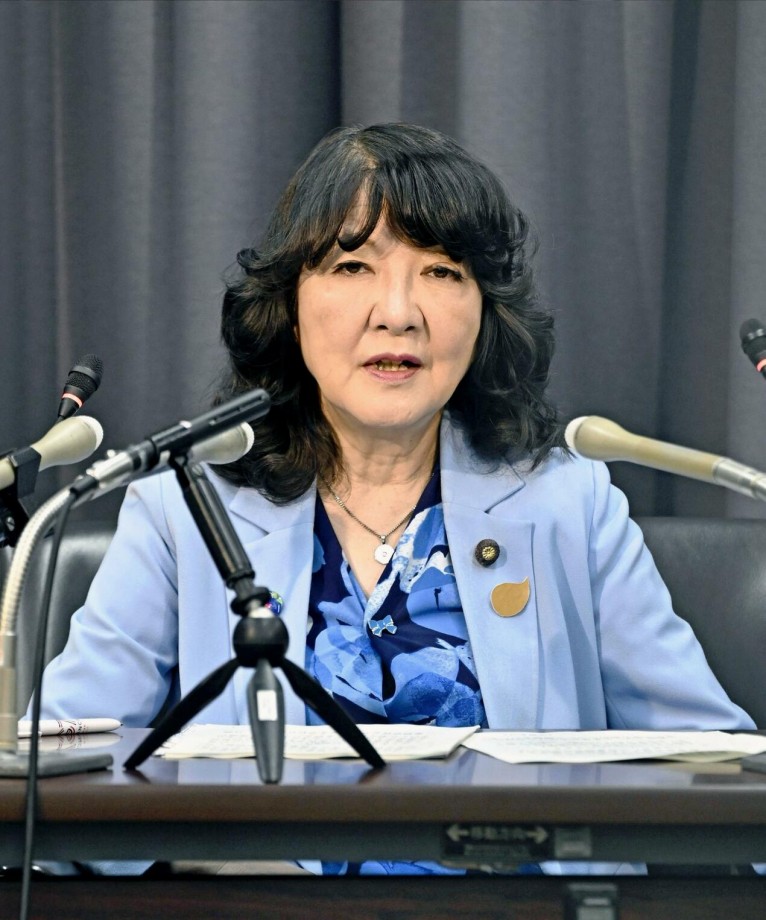
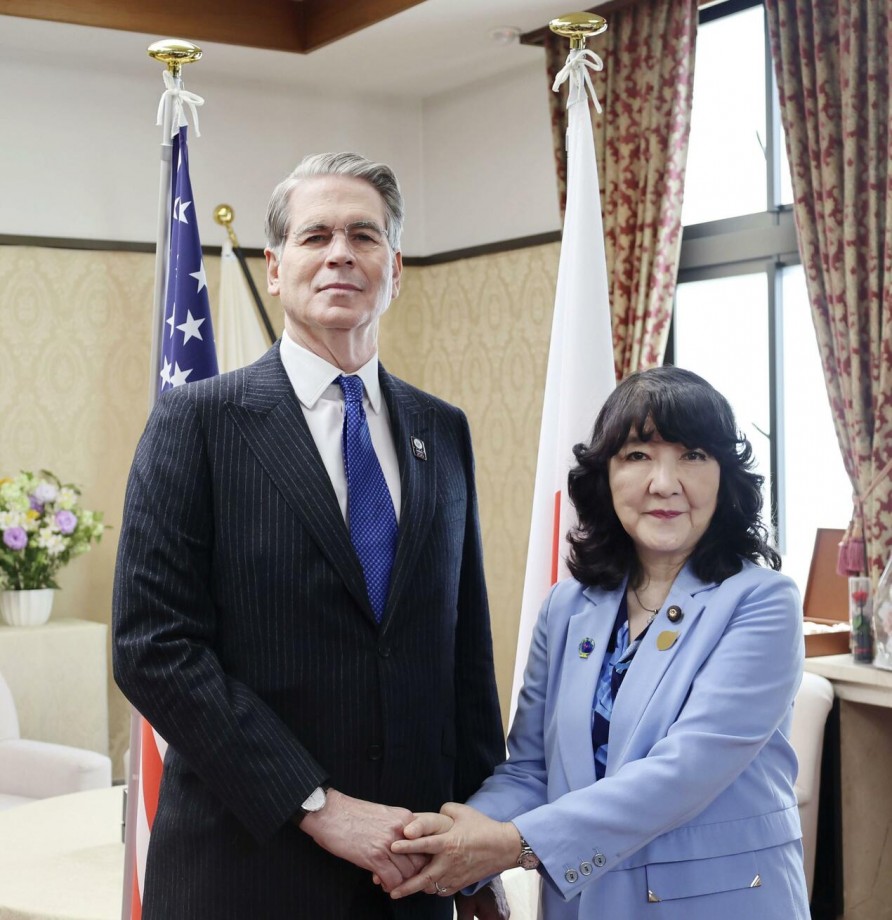
Japanese Finance Minister Satsuki Katayama said Tuesday she agreed with U.S. Treasury Secretary Scott Bessent to closely coordinate on movements in the currency market during talks held after a recent intervention to stem the yen's depreciation against the dollar.
"We are in good coordination regarding recent currency movements" amid the Middle East conflict, Katayama told reporters after meeting Bessent at the Finance Ministry in Tokyo, noting that Japan's stance has been "fully supported."
Speaking to reporters later in the day about his views on the intervention, Bessent said, "We both believe that excess volatility is undesirable, and we have been in close contact with the Ministry of Finance, and we will stay in close contact with them."
"I believe the fundamentals of the Japanese economy are strong and resilient, and that that will be reflected in the exchange rate," the secretary said.
Bessent is visiting Tokyo ahead of U.S. President Donald Trump's two-day meeting with Chinese President Xi Jinping in Beijing from Thursday.
Bessent also met Prime Minister Sanae Takaichi at her office on Tuesday and discussed the upcoming U.S.-China summit, Japan's investments in the United States and critical mineral supply chains, the secretary said.
With the instability in the Middle East continuing to drive a flight to safety to the dollar, Japanese authorities intervened on April 30 to curb the yen's fall to the upper 160 level, according to government sources, and likely conducted more yen-buying operations in early May during the Golden Week holidays.
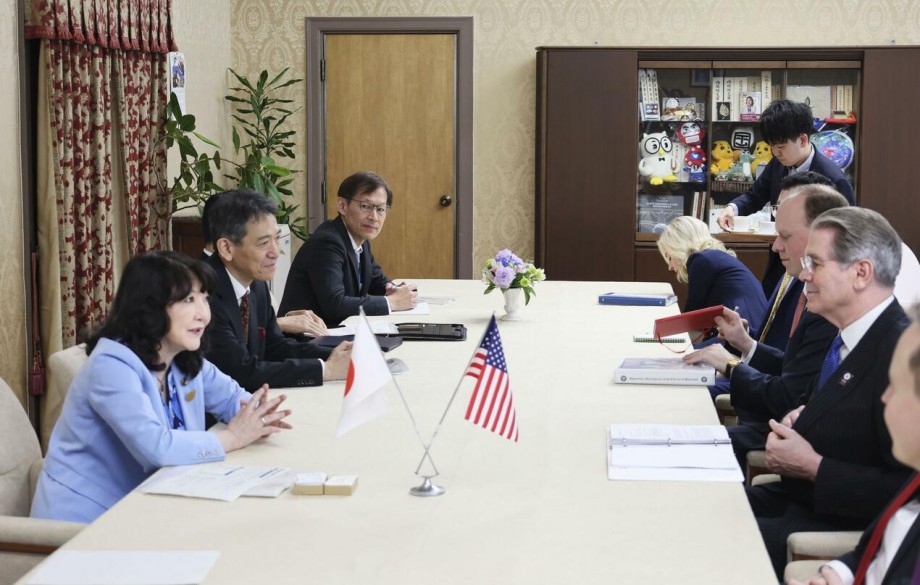
Katayama stressed that she and Bessent agreed to coordinate based on a joint statement released in September, when the two countries confirmed interventions should be reserved for combating volatility as well as "disorderly depreciation or appreciation."
Although a weak yen is seen as a boon to Japanese exporters, given that it inflates their profits made overseas when repatriated, concern has been growing that excessive depreciation could hurt households and corporate profits by driving up import costs for fuel and other materials in the resource-poor country.
Among other agenda items, Katayama said she discussed with her U.S. counterpart ways to strengthen supply chains for critical minerals, ahead of a meeting of the Group of Seven finance chiefs in Paris next week aimed at reducing reliance on China for the key natural resources.
In reference to China's export controls on critical minerals, Katayama said, "The measures it has taken against Japan are terrible and unfair and the United States said it will continue to stress this point to China."
As bilateral ties between Japan and China have soured following a diplomatic row over Taiwan, Beijing has tightened its restrictions on exports of dual-use items, which can be used for both civilian and military purposes, with rare earths possibly included.
Katayama said she also shared with Bessent the need to respond to the growing threat posed by sophisticated artificial intelligence technology, such as U.S. company Anthropic's Claude Mythos model, which is said to be capable of identifying vulnerabilities in technology infrastructure, including financial systems.
"Frankly speaking, China can catch up in (developing) such (models) in a matter of six months or a year...the Western side needs to coordinate so that it will not be weaponized by those who are not our allies," she said.
Katayama said she also shared with Bessent the need to respond to the growing threat posed by sophisticated artificial intelligence technology, such as U.S. company Anthropic's Claude Mythos model, which is said to be capable of identifying vulnerabilities in technology infrastructure, including financial systems.
"Frankly speaking, China can catch up in (developing) such (models) in a matter of six months or a year...the Western side needs to coordinate so that it will not be weaponized by those who are not our allies," she said.
- May 12, 2026
- Comment (0)
- Trackback(0)